








The Trump administration’s ambitious "Make America Healthy Again" (MAHA) initiative, a cornerstone of Health Secretary Robert F. Kennedy Jr.’s tenure, has hit a profound bureaucratic and political impasse. At the heart of the gridlock is a seemingly technical but deeply consequential mission: establishing the first-ever federal definition of "ultraprocessed foods" (UPF). While health advocates argue that this definition is the essential first step toward curbing a national chronic disease epidemic, the process has been derailed by corporate lobbying and internal political friction, sparking a wave of resignations and public outcry.
As of late October 2026, more than 100 of the nation’s leading nutrition, medical, and scientific experts have issued an urgent, collective plea to the Office of Management and Budget (OMB). Their message is clear: the administration must stop bowing to industry interests and release the government’s formal classification of UPFs. "It is critical that special interests not hold up this process," the signatories wrote. "Most Americans are aware of UPF and wish to avoid them, but deeper familiarity with UPF remains limited, signaling a need for guidance."
A Chronology of Stagnation
The path to this stalemate has been marked by high hopes followed by a series of tactical retreats.
- July 2025: The Trump administration formally announces its intent to define ultraprocessed foods, signaling a pivot toward systemic food reform aimed at addressing the rise in childhood obesity and metabolic disorders.
- August 2026: After months of internal review, the Department of Health and Human Services (HHS) and the U.S. Department of Agriculture (USDA) submit a proposed definition for final vetting. However, reports soon emerge that major food industry CEOs have successfully lobbied the White House to stall the release, fearing the regulatory ripple effects.
- October 22, 2026: The friction reaches a breaking point. Calley Means, a senior adviser to Kennedy and a primary architect of the MAHA movement, resigns from his post. While official statements remain diplomatic, sources close to the administration suggest that the persistent stonewalling of the UPF definition was a primary catalyst for his departure.
- October 23, 2026: A coalition of experts sends an open letter to the OMB, urging the administration to finalize the definition.
- Late October 2026: A scheduled high-level meeting between Means, Kennedy, and White House officials to address the delay is abruptly postponed, leaving the status of the initiative in limbo.
The Science of the "Ultraprocessed" Crisis
To understand why this definition matters, one must look at the science of food production. The term "ultraprocessed" originated from the NOVA classification system, developed in 2009 by researchers in Brazil. It categorizes food not by nutrients—like fat or sugar content—but by the level of industrial processing.
Ultraprocessed foods are characterized by "extensive industrial manipulation." They are rarely found in nature; rather, they are products of "food science," assembled from isolated ingredients like high-fructose corn syrup, hydrogenated oils, emulsifiers, and synthetic colorants.
"Many of these products are barely even food," says Ashley Gearhardt, a professor of psychology at the University of Michigan and a signatory of the recent letter. "They are not designed for nourishment. They are engineered to be hyper-palatable, designed so that you finish the whole bag before you even realize it."
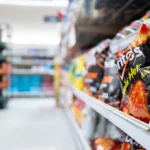
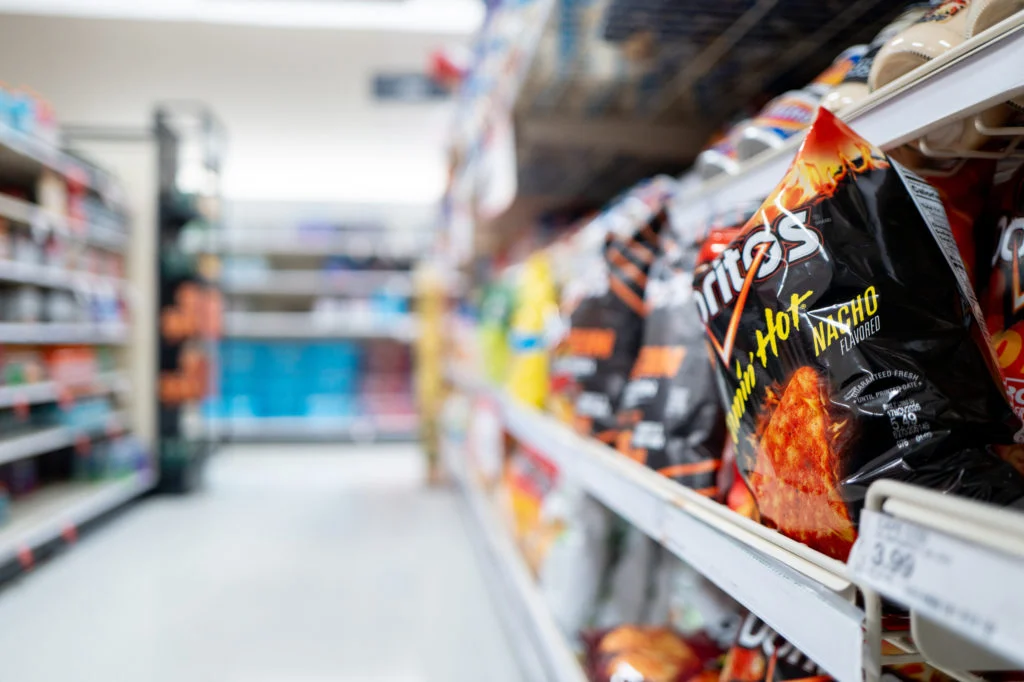
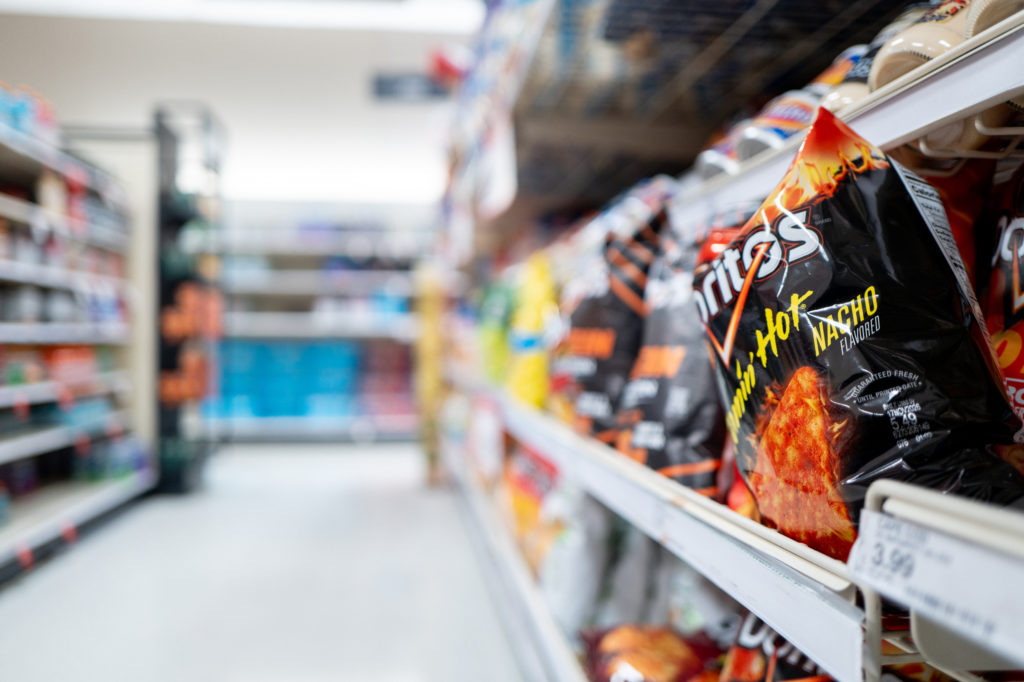
The data on the American diet is sobering. According to recent research, more than 70% of the U.S. packaged food supply is classified as ultraprocessed. These items range from the obvious—soda, chips, and sugary cereals—to the deceptive, such as "health-marketed" breakfast bars and store-bought breads. The health consequences are well-documented: longitudinal studies consistently link high consumption of UPFs to increased rates of Type 2 diabetes, cardiovascular disease, and obesity.
Defining the Undefinable: The Regulatory Challenge
The primary challenge in creating a federal definition lies in the "bridge" between scientific theory and real-world regulation. Experts argue that simply labeling a food as "ultraprocessed" is insufficient if it doesn’t lead to actionable policy.
Lindsey Smith Taillie, a nutrition epidemiologist at the University of North Carolina, Chapel Hill, explains that the definition needs to be robust enough to withstand legal challenges from the food industry. She and a panel of experts from Healthy Eating Research have proposed a two-part framework. This framework would identify a food as ultraprocessed based on its industrial ingredients, but it also includes "exemptions" for essential staples—like certain whole-grain breads or yogurts—that might undergo processing but provide critical nutrients.
"You can’t just sprinkle some fiber powder on a candy bar and call it healthy," Taillie says. "The food would have to contain a specific amount of whole grain or nuts in order to meet criteria for exemption. We need a system that is reproducible, transparent, and defensible as our food supply evolves."
Official Perspectives and the Industry Influence
Secretary Robert F. Kennedy Jr. has staked his reputation on the idea that the U.S. cannot "reverse America’s chronic disease epidemic without transforming our food system." During his confirmation hearings, he highlighted the alarming fact that nearly three-quarters of infant and toddler foods are currently categorized as ultraprocessed.
However, the administration is caught between the MAHA agenda and the powerful economic lobby of the food industry. The industry argues that stringent definitions could disrupt the supply chain, raise food prices, and unfairly stigmatize products that provide affordable calories to millions of Americans.
Critics of the current administration’s delay, such as Laura Schmidt of the University of California, San Francisco, argue that the industry’s pushback is a classic case of prioritizing short-term profit over long-term public health. "If industry pressure can delay even this first step toward greater transparency, what does that tell us about the challenges of making meaningful improvements to our food supply?" Schmidt asks.
The Path Forward: Implications for Public Policy
Should the government eventually adopt a formal definition of ultraprocessed foods, the implications would be profound.
1. School and Institutional Reform
A federal definition would empower the USDA to overhaul the nutritional standards for school lunches, hospital meals, and military rations. Given that children obtain nearly 60% of their daily calories from ultraprocessed sources, such a move could dramatically alter the dietary trajectory of an entire generation.
2. Front-of-Package Labeling
Similar to the successful model implemented in Chile and Mexico, a clear government definition would allow for mandatory "warning labels" on the front of food packaging. Evidence from these countries suggests that such labels effectively nudge consumers toward healthier choices and force manufacturers to reformulate products to avoid the "unhealthy" designation.
3. Marketing Restrictions
A formal definition could also serve as the legal basis for restricting the marketing of junk food to children. If a product is officially classified as "ultraprocessed," it could be subject to the same regulatory scrutiny that historically applied to tobacco or alcohol marketing, particularly when targeted at minors.
Conclusion: A Turning Point for MAHA
The resignation of Calley Means has cast a long shadow over the administration’s health goals. It signals that the "Make America Healthy Again" agenda is currently trapped in a tug-of-war between grassroots health advocates and entrenched corporate interests.
For the average American consumer, the grocery store remains a landscape of hidden dangers. Without a federal standard to clarify what is "real food" versus "industrial product," the burden of health remains entirely on the individual. As the public comment period for the definition has closed, the ball is now firmly in the court of the White House.
The question remains: will the Trump administration fulfill its promise to confront the food industry, or will the "ultraprocessed" label be relegated to the dustbin of stalled policy, sacrificed on the altar of political and corporate expediency? For the experts currently waiting for the OMB’s next move, the time for half-measures has passed. The health of the nation, they argue, depends on the courage to define the problem—no matter how much it upsets the status quo.