








By Ed Silverman | Pharmalot Columnist
October 28, 2026
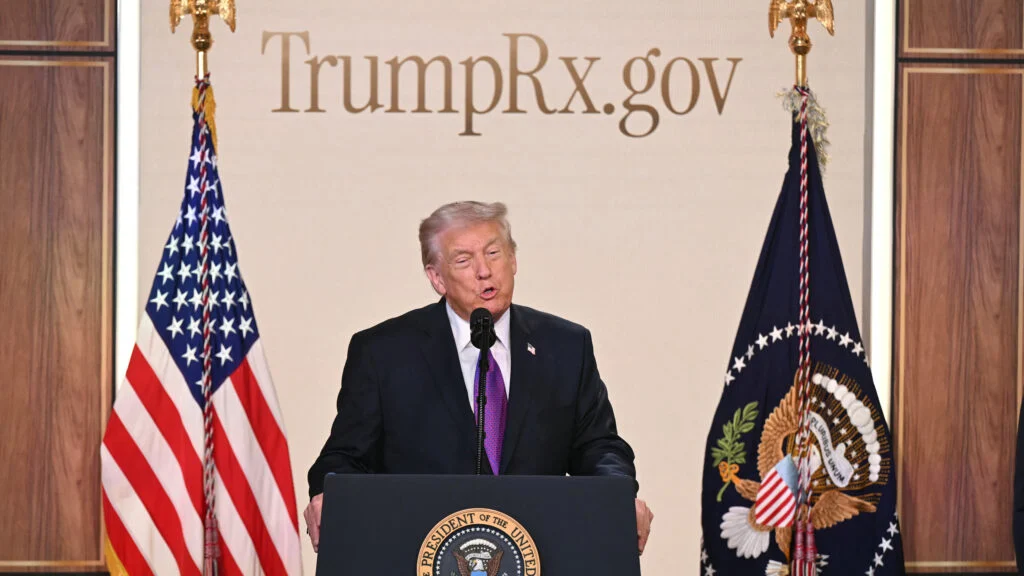
In an escalating confrontation over the efficacy of federal healthcare initiatives, Representative Frank Pallone (D-N.J.), the ranking member of the House Committee on Energy and Commerce, has formally requested that the Government Accountability Office (GAO) conduct an exhaustive review of the "TrumpRx" platform. Launched in February 2026, the administration-backed website was marketed as a cornerstone of the White House’s strategy to combat rising prescription drug costs. However, mounting skepticism regarding the platform’s actual impact on consumer pocketbooks has led to a push for federal oversight.
The Core Controversy: Savings or Smoke and Mirrors?
The TrumpRx platform functions not as a pharmacy or a direct dispenser of medication, but as a digital gateway. It provides consumers with links to third-party discount coupons and manufacturer-specific programs. Since its inception, the White House has touted the site as a massive success, claiming it has facilitated $700 million in total savings for American patients.
Yet, in an October 27 letter to the GAO, Representative Pallone signaled that these figures lack the evidentiary rigor required for public trust. "The White House has made sweeping statements regarding the success of this platform," Pallone wrote. "However, they have failed to disclose the methodology, the data sets, or the verification processes that would allow Congress—or the American public—to determine if there has been any meaningful financial benefit provided to patients."
The heart of the dispute lies in the opacity of the "most-favored nation" agreements the administration claims to have negotiated with over two dozen major pharmaceutical manufacturers. Pallone argues that without transparent data regarding these agreements, the administration’s $700 million figure remains an unverified assertion rather than a documented outcome.
A Chronology of the TrumpRx Initiative
To understand the current tension, one must look back at the rapid deployment of the platform throughout 2026:

- February 2026: The TrumpRx platform is launched with significant fanfare, presented as a centralized hub to help Americans navigate the fragmented landscape of drug pricing and manufacturer discounts.
- Spring 2026: Early reports from the White House suggest positive engagement, with the administration citing millions of "referrals" to discount programs as evidence of the site’s utility.
- August 2026: The White House issues a formal fact sheet celebrating a deal with nine additional pharmaceutical manufacturers, aimed at expanding the scope of available discounts. This announcement coincided with the administration’s doubling down on the $700 million cumulative savings claim.
- September 2026: Independent healthcare analysts begin questioning the distinction between "list price reductions" and "actual out-of-pocket savings," noting that coupon programs often mask underlying structural issues in drug pricing.
- October 27, 2026: Representative Frank Pallone formally requests a GAO investigation, citing a "systemic lack of transparency" and demanding an audit of the platform’s claims.
Supporting Data and the "Coupon" Dilemma
The primary critique leveled against the TrumpRx model is its reliance on manufacturer coupons. Critics, including pharmacy benefit experts and consumer advocates, have long warned that coupons are a double-edged sword. While they may provide short-term relief to individual patients, they often do not lower the "list price" of a drug. In many cases, these coupons are designed to steer patients toward high-cost brand-name drugs, effectively insulating those drugs from price competition by keeping patients within a manufacturer’s ecosystem.
The GAO investigation is expected to focus on several key metrics:
- Verification of Savings: How did the administration arrive at the $700 million figure? Does it account for administrative fees or potential cost-shifting to insurance premiums?
- Referral Conversion Rates: What percentage of users who clicked a link on TrumpRx actually successfully redeemed a discount at a pharmacy?
- Data Privacy: How is the user data collected by the site managed, and what protections exist for patients utilizing these third-party links?
Pallone’s letter explicitly asks the GAO to evaluate whether these "most-favored nation" agreements truly lower costs for the U.S. healthcare system as a whole, or if they are merely private deals that provide cosmetic price reductions without impacting the fundamental economics of the pharmaceutical industry.
Official Responses and Political Posturing
The White House has thus far defended the TrumpRx platform as a "pro-consumer" success story. In recent press briefings, administration spokespeople have characterized the platform as an essential tool that provides transparency in an otherwise opaque market. They argue that the $700 million in savings is a "conservative estimate" based on self-reported data from participating manufacturers.
"This is a voluntary partnership between the federal government and industry leaders," a White House official stated following the news of the GAO request. "The goal was never to disrupt the market, but to provide immediate, actionable relief to patients. Critics who focus on the methodology are missing the forest for the trees—patients are paying less at the counter."
Conversely, the pharmaceutical industry’s response has been measured. Trade groups representing the manufacturers involved in the "most-favored nation" deals have largely deferred to the White House to explain the specific terms of the agreements. Some industry insiders suggest that the agreements are highly complex and involve multi-layered rebate structures that are difficult to summarize in a public-facing website, which may explain the discrepancy in how the "savings" are calculated versus how they are perceived by the public.

Broader Implications for Healthcare Reform
The request for a GAO investigation is more than a bureaucratic audit; it is a signal of a deepening divide over the role of the federal government in drug pricing. If the GAO finds that the $700 million in savings is inflated or derived from misleading data, it could severely damage the credibility of the administration’s broader healthcare agenda.
Furthermore, this inquiry highlights a growing trend in Washington: the move toward "digital transparency" as a proxy for actual price reform. By creating platforms like TrumpRx, the government can claim progress without passing legislation that would fundamentally restructure the supply chain, such as drug price negotiation or patent reform.
If the investigation reveals that these digital tools are ineffective, the pressure will likely mount on Congress to pursue more aggressive legislative pathways. This could include mandates for price transparency that extend beyond manufacturer coupons and reach into the deeper, more complex relationships between pharmacy benefit managers (PBMs), insurers, and drug manufacturers.
The Path Forward: What to Expect from the GAO
The GAO’s process is notoriously thorough and often time-consuming. An investigation of this magnitude will likely involve:
- Document Review: Subpoenaing internal records from the Department of Health and Human Services (HHS) and the White House regarding the negotiations with drugmakers.
- Interviews: Discussions with pharmacy representatives, patient advocates, and independent economists.
- Quantitative Modeling: Using independent data to cross-reference the administration’s claims against actual pharmaceutical expenditure trends since February.
For the American patient, the outcome of this inquiry will determine whether TrumpRx is a genuine lifeline or a digital veneer on a broken system. As the debate intensifies, the industry will be watching closely to see if the federal government’s attempt to "fix" drug prices through web-based platforms stands up to the scrutiny of federal auditors.
Ultimately, the dispute over TrumpRx serves as a reminder that in the complex world of American healthcare, a "saving" is rarely as simple as a sticker price, and transparency is the most contested currency of all.