






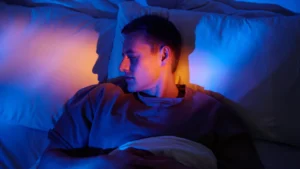


In an era where medical innovation often outpaces the ability of healthcare systems to identify rare conditions, a critical gap has emerged in the world of sleep medicine. Patients suffering from chronic, debilitating sleep disorders—specifically idiopathic hypersomnia and narcolepsy—frequently spend over a decade navigating a labyrinth of misdiagnoses, unnecessary testing, and profound uncertainty.
A transformative new partnership, announced this week, seeks to dismantle these systemic barriers. Beacon Biosignals, an industry leader in AI-driven neurotechnology, has joined forces with Project Sleep, the preeminent patient-led advocacy organization. This collaboration is designed to leverage advanced machine learning to accelerate diagnostic timelines while simultaneously ensuring that the lived experience of patients remains at the heart of clinical research and product development.
The Chronic Crisis of Diagnostic Delays
To understand the urgency of this partnership, one must examine the staggering statistics surrounding sleep disorders. Idiopathic hypersomnia—a chronic neurological condition characterized by excessive daytime sleepiness—is notorious for its long road to diagnosis. On average, patients wait between eight and 11 years before receiving a definitive clinical explanation for their symptoms.
Narcolepsy Type 1, while better recognized in the medical community, fares little better, with diagnostic delays ranging from four to 11 years. During this "lost decade," patients are frequently misdiagnosed with major depressive disorder, generalized anxiety, or other psychiatric conditions. In other cases, the presence of comorbid obstructive sleep apnea serves to cloud the clinical picture, leading physicians to treat the secondary condition while the underlying neurological disorder continues to ravage the patient’s quality of life.
The human cost of these delays is immeasurable. During the years spent seeking a diagnosis, patients often experience significant setbacks in their education, professional trajectories, and personal relationships. The social stigma associated with "excessive sleepiness" often leads to accusations of laziness or lack of motivation, further isolating patients who are struggling with a genuine, life-altering neurological condition.
A Synergy of Technology and Advocacy
The collaboration between Beacon Biosignals and Project Sleep is rooted in the belief that neither technology nor advocacy can solve these problems in isolation.
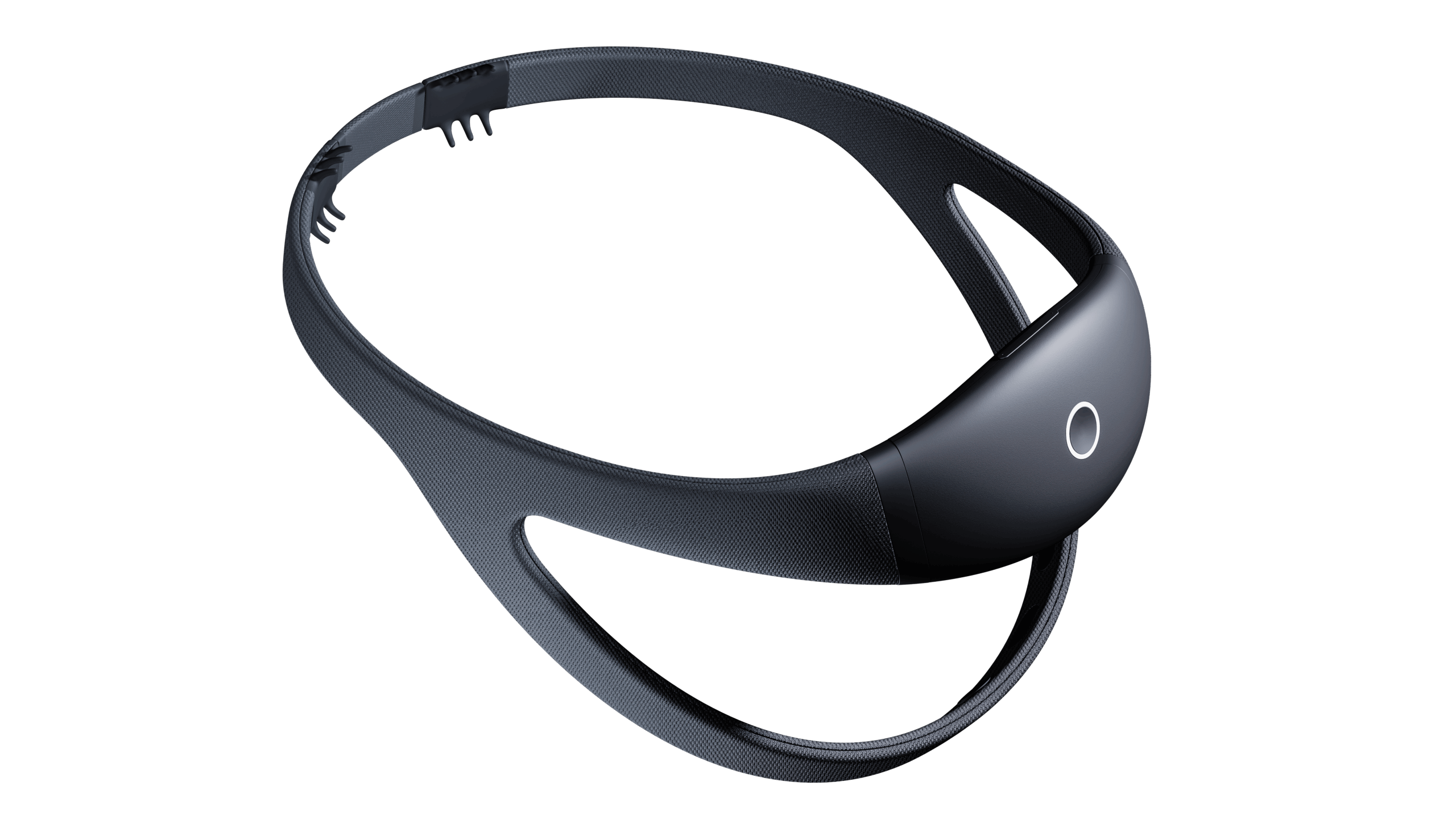
Beacon Biosignals brings to the table its proprietary, AI-driven neurotechnology platform. By applying sophisticated machine learning algorithms to complex electroencephalogram (EEG) data, the company is able to uncover patterns in brain activity that are invisible to the human eye. This technology is uniquely suited for the nuances of sleep medicine, where objective data is often scarce and diagnostic subjectivity is high.
Project Sleep, conversely, brings the human element. Led by Julie Flygare, JD—an attorney and author who has lived with narcolepsy for decades—the organization has spent years building a robust, national community of patients, families, and researchers. By providing the "boots on the ground" connection to those who have lived through the diagnostic ordeal, Project Sleep offers the essential context required to turn raw data into meaningful medical outcomes.
Chronology of a Shifting Landscape
The journey toward this partnership did not happen overnight. It is the culmination of years of advocacy and technological maturation:
- 2010s (The Foundation): Project Sleep established its presence as a key voice in the patient community, focusing on awareness campaigns and public policy advocacy to increase funding for sleep research.
- Late 2010s (Technological Breakthroughs): Beacon Biosignals began refining its EEG analytics platform, moving toward a model where home-based diagnostic testing could become a reality rather than an expensive, hospital-bound luxury.
- 2023-2024 (Convergence): Both organizations recognized that while diagnostic tools were improving, they were not reaching the patients who needed them most. Discussions began regarding how to bridge the gap between AI developers and the patient advocacy community.
- October 2024 (The Launch): The formal partnership is initiated, with the first public collaborative effort scheduled for the 7th annual Sleep Advocacy Forum in Washington, DC.
The Role of Patient-Centered Research
One of the most innovative components of this alliance is the implementation of structured patient focus groups. Rather than viewing patients as passive subjects of clinical trials, Beacon Biosignals and Project Sleep are treating them as expert consultants.
These focus groups will gather granular data on the "testing experience"—the logistical, emotional, and physical challenges of undergoing sleep assessments. For example, a home sleep study may be technically feasible, but if it is too cumbersome or invasive for a patient with severe cognitive fatigue, it will fail to yield accurate data. By incorporating these insights into the development of their national home sleep testing network, Beacon Biosignals ensures that their tools are not just clinically accurate, but also patient-friendly.
This feedback loop is expected to be a game-changer for enrollment in clinical trials. Many patients are wary of research, fearing that their needs will be sidelined in favor of pharmaceutical company metrics. By involving Project Sleep in the design of these studies, the partnership aims to build a culture of transparency and mutual respect, increasing trial participation rates and, ultimately, accelerating the arrival of new therapeutics.
Official Perspectives: The Vision for the Future
The leaders of both organizations emphasize that this is a departure from traditional corporate-patient relations.
"Improving patients’ lives is central to Beacon’s mission," said Jacob Donoghue, MD, PhD, CEO of Beacon Biosignals. "Project Sleep has spent more than a decade building trust in this community and amplifying patient voices. Working alongside them enables us to use our technology to find and treat people with disorders of hypersomnia sooner."
Julie Flygare, president and CEO of Project Sleep, highlighted the shift in power dynamics. "Our community has always been ready to participate in research and to help solve the diagnostic delay that so many of us lived through," Flygare noted. "What has been missing is a way to relay those insights to the people building diagnostic tools and novel therapeutics. This partnership creates that link, and it treats patients as contributors rather than subjects."
Broader Implications for the Medical Community
The impact of this partnership will likely extend far beyond the narrow scope of hypersomnia and narcolepsy.
- Standardizing AI Integration: As artificial intelligence becomes a staple of diagnostic medicine, the industry is struggling with "black box" algorithms that lack transparency. By embedding patient feedback directly into the AI development lifecycle, this partnership provides a blueprint for how to build ethical, patient-centric neurotechnology.
- Addressing Diagnostic Inequity: The current medical system often prioritizes conditions with high prevalence or high mortality. By focusing on sleep disorders—which are often dismissed as "quality of life" issues—Beacon and Project Sleep are advocating for a more equitable healthcare system that recognizes the profound disability caused by chronic sleep disruption.
- Reducing Healthcare Costs: The financial burden of misdiagnosis is significant. By shortening the diagnostic odyssey, the healthcare system can avoid years of unnecessary psychiatric consultations, ineffective medication trials, and redundant diagnostic procedures. This partnership represents a proactive approach to reducing the total cost of care for chronic neurological conditions.
Looking Ahead: The Path to 2025 and Beyond
As the collaboration kicks off at the Sleep Advocacy Forum in Washington, DC, the immediate goal is to establish a pipeline for better data collection. The teams will be looking at how to deploy home-based testing networks that are accessible to a wider demographic, ensuring that geography and socioeconomic status do not prevent a patient from getting an accurate diagnosis.
Furthermore, the partnership plans to share their findings with broader medical boards and regulatory bodies, pushing for updated clinical guidelines that incorporate the use of AI-driven EEG analysis as a standard part of the diagnostic workup for sleep disorders.
In summary, the alliance between Beacon Biosignals and Project Sleep is more than just a business agreement; it is a fundamental re-imagining of the patient’s role in the medical innovation process. By combining the precision of machine learning with the empathy of a patient-led advocacy group, they are not only shortening the time to diagnosis—they are restoring the hope and agency of thousands of individuals who have spent far too long in the dark. As the diagnostic landscape continues to evolve, this partnership serves as a beacon for what is possible when technology is finally made to serve the human experience.