











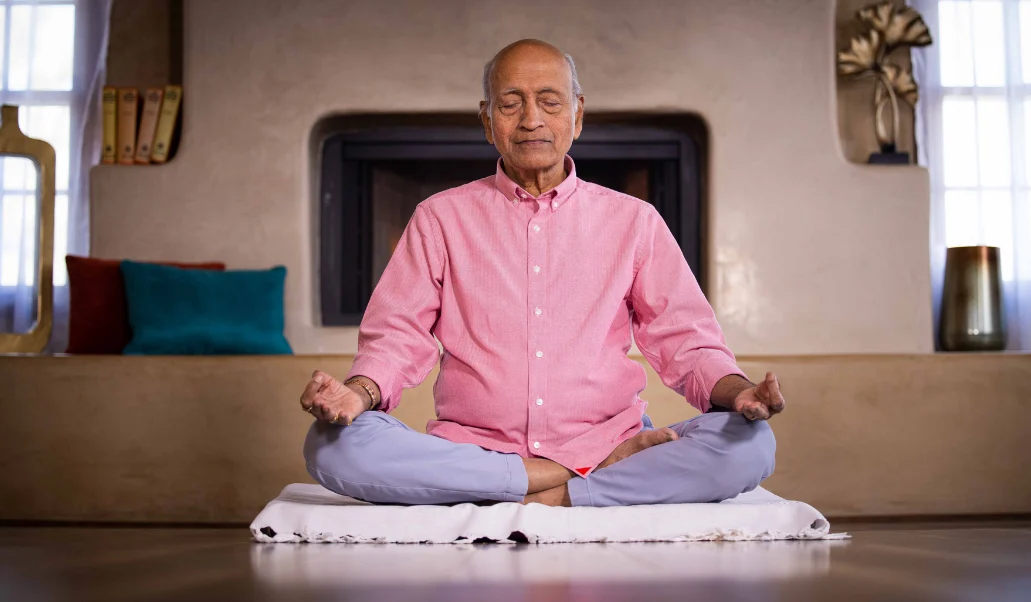
In an era defined by constant connectivity and rapid-fire sensory input, the quest for mental clarity has shifted from a spiritual luxury to a functional necessity. While modern health often emphasizes physical metrics—dietary macros, exercise intensity, and sleep hygiene—the ancient wisdom of the Yoga Sutras suggests that the true foundation of well-being lies in the architecture of the mind itself. By integrating the philosophical rigor of Patanjali with the clinical precision of Ayurveda, practitioners can move beyond superficial symptom management toward a transformative, causally oriented approach to human health.
The Foundation: Patanjali and the Sankhya Framework
The Yoga Sutras, a seminal Sanskrit text composed by the sage Patanjali circa 250 BCE, serves as the definitive manual for the yogic mind. It is fundamentally rooted in Sankhya philosophy, an analytical framework that categorizes the reality of human existence into two distinct domains: Purusha (pure, unchanging consciousness) and Prakriti (the ever-changing material world).
Unlike many spiritual texts that rely on metaphor alone, Patanjali’s work is remarkably scientific. He functions as a clinical observer, systematically defining key terminology and mapping out the progressive stages of mental refinement. His approach is deeply subjective; he does not merely theorize about consciousness, he invites the practitioner to become a laboratory for their own internal evolution.
The Mechanics of the Mind: Understanding Vritti
To understand the practical application of the Yoga Sutras, one must first grasp the nature of Chitta—often translated as "mind-stuff" or mental energy. Patanjali describes the constant stream of thoughts, sensations, emotions, and memories that circulate through this energy as Vritti.
The term Vritti literally denotes movement or activity. In the life of a modern individual, the mind is rarely, if ever, still. Even in the depths of sleep, these patterns continue to churn, shaping our moment-to-moment choices, behavioral predispositions, and core attitudes. Most people go through life oblivious to the fact that these internal movements dictate their external outcomes. A person may follow a perfect diet and exercise routine, yet find their health progress derailed the moment an emotional trigger disrupts their equilibrium. The Yoga Sutras teach that lasting health changes are not merely biochemical; they are cognitive and observational.
Yoga as the Cessation of Mental Movement
The core definition of the entire yogic discipline is encapsulated in the second sutra of the first chapter: Yogas Chitta Vritti Nirodhah. Translated, this means "Yoga is the cessation of the movements of the mind."
When the Chitta ceases its turbulent activity, the practitioner enters a state of pure Purusha—the unchanging witness. In this framework, Purusha is distinct from matter; it is the silent, neutral observer that exists beneath the layers of ego and sensory experience. Patanjali calls this observer the Drashtuh. Unlike the mind, which is caught in the infinite cycles of Sattva, Rajas, and Tamas (the three Gunas or qualities of nature), the Drashtuh creates nothing and is affected by nothing. It is the steady spark of consciousness that allows us to view our own lives with detached objectivity.
The Clinical Imperative: Witnessing Awareness in Ayurveda
The clinical implications for Ayurveda are profound. As Dr. Vasant Lad has frequently emphasized to his students, the practice of "witnessing" is the highest form of self-care. By watching the mind’s activities—the thoughts, the fleeting feelings, the sudden impulses—without labeling them as "good" or "bad," and without reacting to them, we begin to move closer to the stillness of Purusha.
This witnessing awareness is a powerful tool for disease prevention. In Ayurveda, disease is not an overnight occurrence; it is the culmination of subtle imbalances in the doshas (the elemental qualities of the body). A person who is not "witnessing" their own internal state often ignores these early warning signs. They might overlook the initial buildup of "cold" qualities in their system until it manifests as a full-blown respiratory imbalance or digestive stagnation.
Conversely, the person who cultivates drashtuh awareness notices the subtle shifts before they become physical pathology. They possess the freedom to adjust their environment—perhaps by wearing warmer clothing or opting for a hot, nourishing meal—before the body is forced to pay the price of disease. As the Ayurvedic sage Charaka noted, an unwise person ignores the enemy (the early signs of imbalance) until it is too late, while the wise person neutralizes the threat while it is still insignificant.
Why Observing the Mind Is Difficult: The Trap of Identification
If the practice of witnessing is so effective, why is it so rarely mastered? Patanjali addresses this in the fourth sutra of the first chapter: Vritti Sarupyam Itaratra. This acknowledges that in any state other than the cessation of movement, the witness is "mistaken for something else."
Essentially, when we try to observe our minds, we often fail because we become the observer who is also judging the observation. We mistake our own mental patterns for our identity. We tell ourselves, "I am an anxious person," rather than, "I am witnessing an experience of anxiety." As long as Vritti remains our primary reality, we remain trapped in a false identification with the "not-self."
Bridging the Gap: Spirit and Matter
The tension between our material desires and our spiritual aspirations is a universal human experience. The Sufi tradition captures this struggle with the parable of the camel tied to a fish: if the fish (the spiritual soul) is dragged into the desert (the material world), it suffers; if the camel (the physical body/mind) is pulled into the ocean, it drowns.
Sankhya and the Yoga Sutras provide a roadmap for navigating this tension. They do not demand the abandonment of the world, but rather the cultivation of discernment—the ability to distinguish between what serves the spirit and what binds it to suffering.
Implications for Modern Practitioners
For the modern Ayurvedic practitioner, these teachings offer a vital evolution in healthcare. An effective practice should not just provide herbal formulas or dietary advice; it must empower the client with the educational tools to observe their own mental landscape.
- Cultivate Stillness: Encourage patients to implement daily practices that allow for "witnessing mode," such as Sohum meditation or simple reflective breathing.
- Identify Patterns: Help individuals see that their health challenges are often linked to repetitive, unhelpful thought patterns (Vritti).
- Prioritize Prevention: Shift the focus from curing "full-fledged damage" to noticing the initial stages of doshic imbalance.
- Develop Discernment: Teach clients to take refuge in the witness, allowing them to make choices that maximize their freedom rather than reacting blindly to emotional triggers.
Conclusion
The Yoga Sutras are not merely an ancient relic; they are a sophisticated, timeless guide to the internal workings of the human system. By integrating the Sankhya philosophy of the Drashtuh with the preventive wisdom of Ayurveda, we can help people move away from the chaotic, reactive cycles of the mind. In the silence of the witness, we find the greatest form of health: the freedom to act with clarity, purpose, and balance in a world that is constantly in flux. As we continue this series, we will delve deeper into the interplay between Purusha and Prakriti, learning how to sharpen our discernment to navigate the complexities of modern life with grace.