










In the complex, often overwhelming world of family caregiving, the metaphor of the "marathon" is frequently invoked. It implies endurance, pacing, and the necessity of sustaining one’s health over a long, demanding distance. Yet, for millions of family caregivers—those balancing full-time careers, children, and the medical or emotional needs of aging relatives—the race often feels more like an endless, high-stakes sprint.
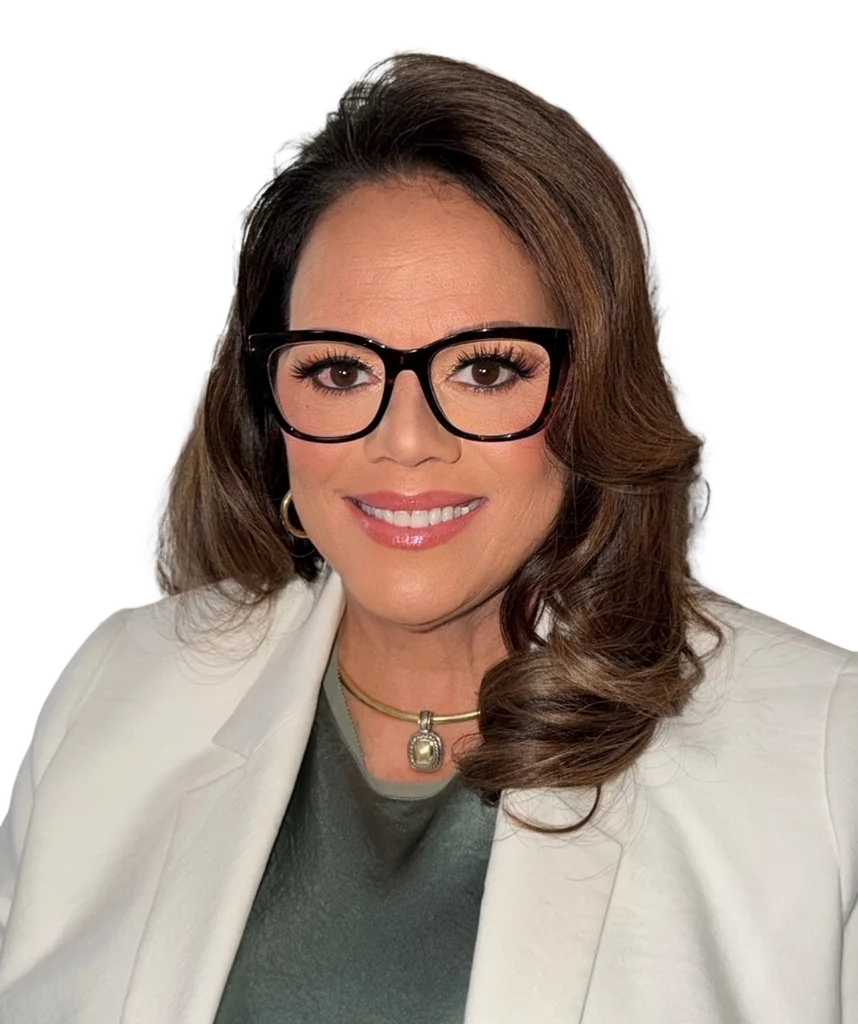
To address this crisis of exhaustion, September’s Self-Care Awareness Month provides a critical platform to discuss a vital, yet often neglected, solution: respite care. In a recent episode of the award-winning podcast Caregiving Club On Air (Season 6, Episode 74), host and corporate gerontologist Sherri Snelling sat down with Laura Williams, the visionary founder and CEO of Respitely, to dissect how friends, family, and employers can fundamentally change the caregiving landscape by providing the one thing every caregiver desperately needs: a break.
The Core Mission: Defining the "CareGifting" Revolution
The fundamental challenge of caregiving is that the primary caregiver is often the last person to prioritize their own well-being. Burnout, depression, and physical illness are common byproducts of the "sandwich generation"—those squeezed between raising their own children and managing the care of aging parents.
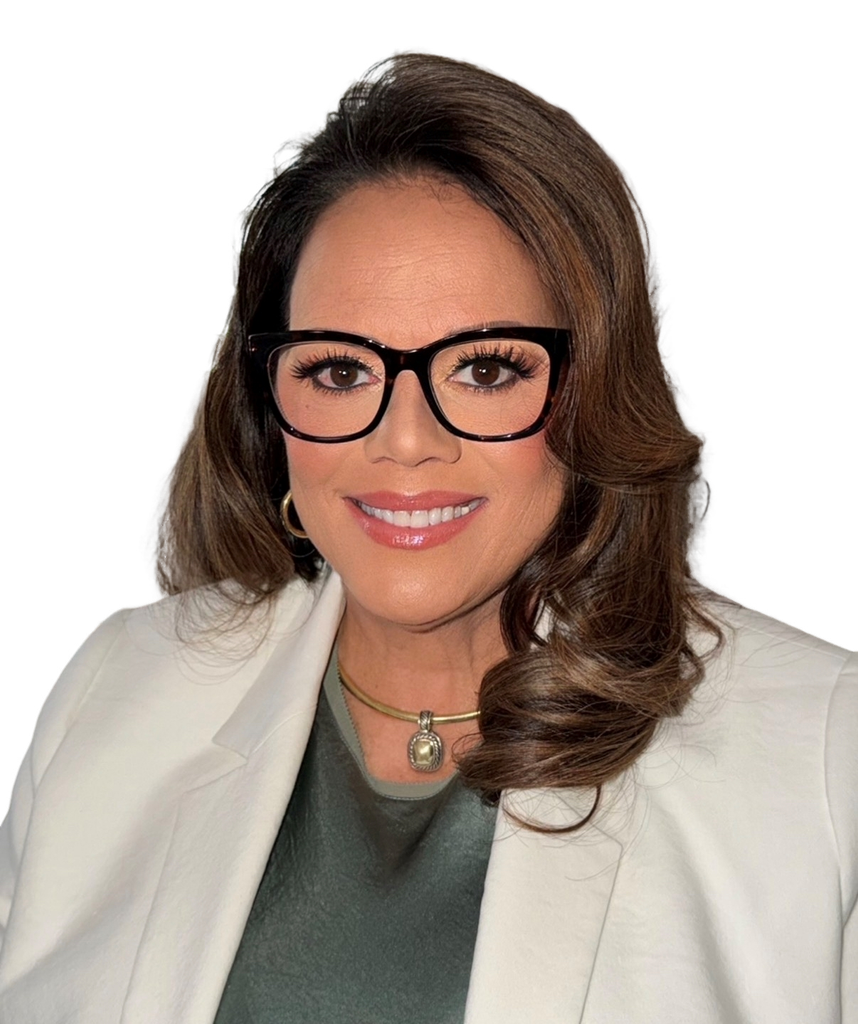
Laura Williams, drawing from her own lived experience as a long-distance caregiver for her mother, realized that while there were many resources for finding care, there was a glaring gap in the social support structure. "We often treat caregiving as an individual burden," Williams explains. "But the reality is that it takes a village, and sometimes that village needs a mechanism to actually show up."
Enter Respitely. Williams conceptualized the platform as a "CareGifting" ecosystem. Just as platforms like Uber Eats or DoorDash have transformed the logistics of meal delivery, Respitely facilitates the delivery of rest. Unlike other services, the user isn’t the caregiver; it is a gift purchased by friends, family, or colleagues. It creates a seamless, dignified way for a support network to say, "We see the work you are doing, and we are paying for you to have a day off."
Chronology of a Crisis: Why Now?
The conversation around respite care is timely, if not overdue. Over the last decade, several factors have converged to make this a national priority:
- The Demographic Shift: As the Baby Boomer generation ages, the ratio of available family caregivers to seniors in need is shrinking, increasing the pressure on each individual caregiver.
- The Workplace Impact: Caregiving is no longer just a "home" issue; it is a workforce issue. Productivity loss, absenteeism, and the departure of talented employees due to caregiving burnout cost the U.S. economy billions annually.
- The Digital Transition: The rise of digital health tools, such as the Caregiving Club’s YouTube initiatives and platforms like CaringBridge, has allowed for better coordination of care, yet the human element—the physical relief of a caregiver—remains the "final frontier" of support.
During the podcast episode, Snelling and Williams traced the evolution of the caregiver movement, noting that while public awareness has improved, the practical application of self-care—actually stepping away from the role—remains the hardest hurdle to clear.
Supporting Data: The High Cost of "No-Break" Caregiving
Research consistently demonstrates that the "marathon" of caregiving has severe physiological consequences. According to data cited throughout the Caregiving Club resources, caregivers who do not take regular, intentional breaks are:
- At Higher Risk for Chronic Disease: Persistent stress hormones (cortisol) in the body lead to higher rates of cardiovascular disease, suppressed immune function, and hypertension.
- Susceptible to Mental Health Decline: Depression and anxiety rates among full-time family caregivers are significantly higher than in the general population.
- Productivity Drainers: In a workplace context, caregivers who are "always on" are more prone to burnout, which manifests as reduced cognitive function and inability to focus on professional tasks.
The "CareGifting" model, as advocated by Williams, is backed by psychological research suggesting that "anticipatory relief"—knowing that a break is coming—is as beneficial for mental health as the break itself.
Official Perspectives: The Role of Advocacy and Resources
Sherri Snelling, through her work at the Caregiving Club, has spent years lobbying for systemic changes. The podcast episode highlighted that respite care is not merely a luxury; it is a standard of care.
"We talk about ‘creating calm in the chaos,’" Snelling notes. "But you cannot create calm if you are running on empty. Respite is the mechanism that allows for that reset."
For those seeking immediate assistance, the following national resources provide a roadmap for finding respite:
- The ARCH National Respite Care Network: This is the gold standard for finding local, qualified agencies. They offer a "National Respite Locator" that helps families identify government-funded or non-profit services in their area.
- Veteran’s Administration (VA) Caregiver Support: The VA is a leader in this space, offering up to 30 days of respite care per year for the caregivers of veterans. This can be utilized in-home or through community living centers.
- Area Agencies on Aging (UsAging): These local hubs, found in almost every county in the United States, are often the best-kept secret for finding free or subsidized respite services for seniors.
- Hilarity for Charity (HFC): Founded by Seth Rogen and Lauren Miller Rogen, this organization provides "Care Grants" to families caring for those with Alzheimer’s or dementia, effectively funding the respite care that insurance often ignores.
Implications for the Future: A Cultural Shift
The implications of the work being done by innovators like Williams and advocates like Snelling are profound. We are witnessing a cultural shift where caregiving is being moved from the private, hidden realm of the household into the public, professional, and social sphere.
The Workplace as a New Frontier
As noted in Snelling’s articles for Forbes and Next Avenue, the most progressive companies are now including "caregiver benefits" in their standard packages. This isn’t just about flexible hours; it’s about providing access to care coordination and respite funding. When employers acknowledge that their staff are also family caregivers, they see a direct correlation in improved retention and company morale.
The "Me Time" Movement
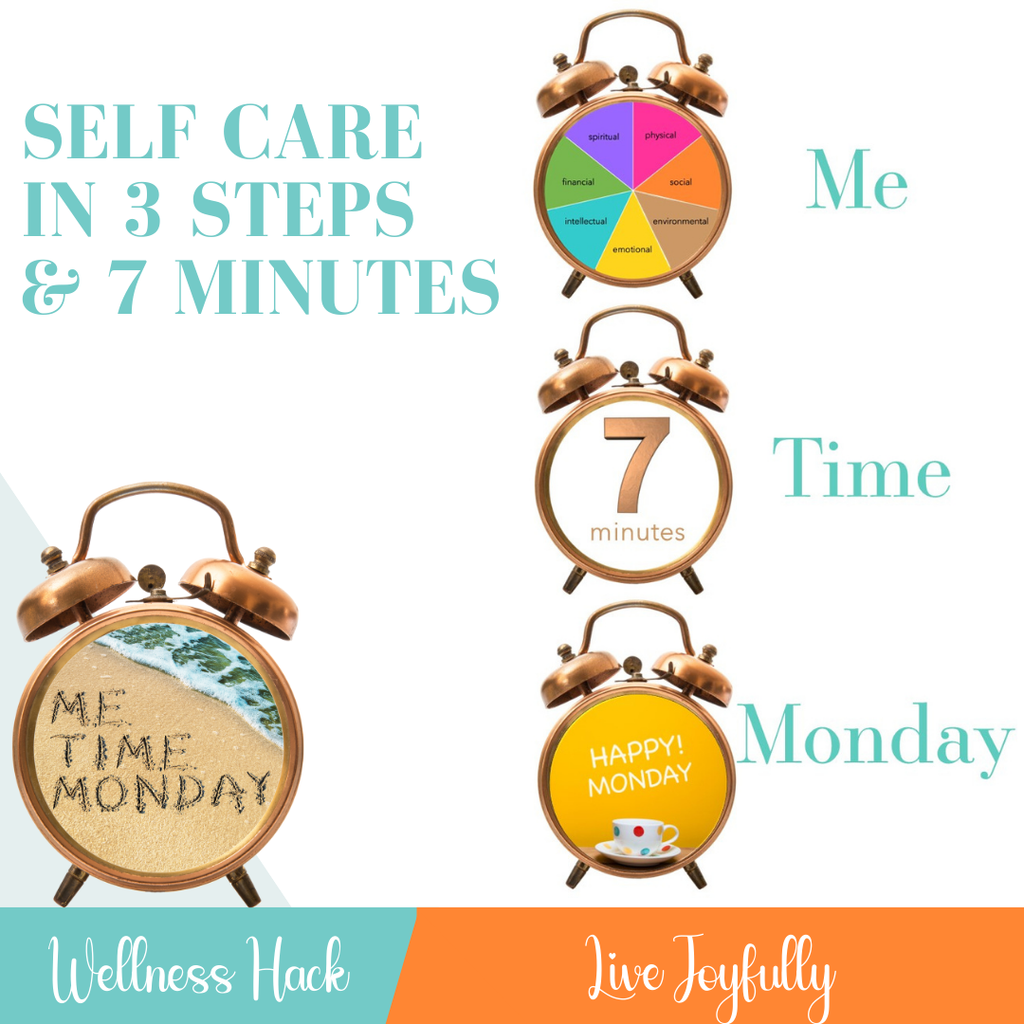
The Caregiving Club’s "Me Time Monday" initiative—a series of 7-minute wellness hacks—underscores that even when a full-day respite is unavailable, micro-breaks are essential. These videos serve as a psychological "reset button" for caregivers who feel guilty about taking time for themselves. The message is clear: self-care is not selfish; it is a prerequisite for being a sustainable caregiver.
Conclusion: The Path Forward
The dialogue between Sherri Snelling and Laura Williams on the Caregiving Club On Air podcast serves as a rallying cry for the upcoming year. The message is twofold: to the caregivers, it is a reminder that you are not in this alone and that you have a right to rest; to the friends, family, and employers, it is a call to action.
Whether through the "CareGifting" model of Respitely, or by utilizing the vast network of national resources, the goal is to dismantle the myth of the "superhuman" caregiver. By fostering a culture where breaks are expected and supported, we not only improve the lives of the caregivers themselves but also ensure that the people they care for receive the best possible attention.
As we celebrate Self-Care Awareness Month, let us move beyond the superficial notion of "self-care" as bubble baths and candles. Instead, let us define it as the radical act of supporting one another, sharing the burden, and ensuring that no caregiver has to finish the marathon alone.

For more information on these topics, subscribe to the "Caregiving Club On Air" podcast on Apple Podcasts, Spotify, or YouTube, and explore the extensive resource library at caregivingclub.com.