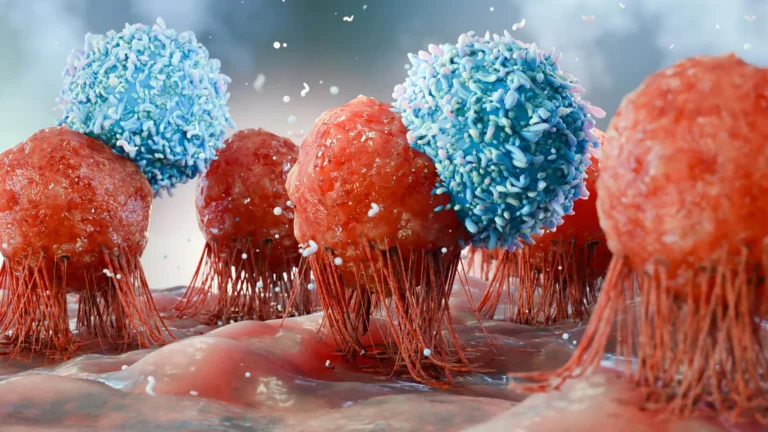











In the high-stakes arena of oncology, the battle against cancer is often framed as a conflict between two opposing forces. For decades, the conventional wisdom held that specific biological drivers—proteins that sustain tumor growth—were strictly the enemies of the body. However, a groundbreaking study from Cold Spring Harbor Laboratory (CSHL) has shattered this binary view, revealing that a protein long known to fuel cancer can, when strategically activated, serve as a potent weapon against it.
The research, published in the journal Nature Immunology, centers on the protein peroxisome proliferator-activated receptor delta (PPARD). By manipulating the metabolic pathways of immune cells, researchers have unlocked a potential new frontier for treating malignancies that have historically resisted chemotherapy and modern immunotherapy.
The Rising Crisis: Colorectal Cancer and the Search for New Frontiers
The urgency of this discovery is underscored by a sobering trend in global oncology: the alarming rise of colorectal cancer among younger populations. Now the leading cause of cancer-related death in individuals under 50, colorectal cancer has become a significant clinical challenge. For many patients, standard interventions—including aggressive chemotherapy and contemporary immunotherapy—often reach a ceiling of effectiveness.
When these treatments fail, patients are frequently left with limited options and declining prognoses. This reality served as the primary catalyst for the CSHL research team, led by Assistant Professor Semir Beyaz. The team sought to understand why some immune cells successfully eradicate tumors while others become exhausted or "unfit" in the hostile environment of a cancer site. The answer, they hypothesized, lies in the fundamental metabolic rules governing all living cells.
Chronology of a Discovery: From Metabolic Theory to Clinical Proof
The journey to these findings began with a conceptual shift in how scientists view cellular fitness. Rather than looking solely at the genetic mutations that drive cancer, Beyaz and his colleagues examined the energy-processing mechanisms that allow cells to thrive.
The Theoretical Foundation
The study started with the premise that cancer cells and immune cells are bound by the same physical and chemical constraints. Both require a consistent energy supply to perform their roles, whether that role is unchecked proliferation or the search-and-destroy mission of an immune cell. "They’re in the same universe," Beyaz explains. "They’re constrained by the same chemical and physical rules. So, it’s not surprising they’d end up evolving the same way."
The Laboratory Phase: Mice and Models
Initially, the team studied mice models of colorectal cancer. They observed that cancer cells inherently utilize PPARD to regulate fat metabolism, effectively "burning" energy to fuel their rapid growth. However, the researchers hypothesized that if they could bypass the cancer cells and specifically activate PPARD within the immune system, they might alter the metabolic environment of the tumor.
The results were transformative. When PPARD was activated in immune cells, it did not accelerate the tumor. Instead, it reconfigured the metabolic landscape of the tumor microenvironment, creating conditions that favored the immune system’s defensive maneuvers.
The Leap to CAR T Cells
Following the success in mouse models, the team moved to test the efficacy of this approach on human colorectal cancer. They turned to CAR T cell therapy, a revolutionary treatment where a patient’s T cells are harvested, genetically engineered to recognize specific cancer antigens, and infused back into the body.
The researchers engineered CAR T cells with activated PPARD and tested them against sophisticated human cancer models, including patient-derived organoids and human cancer cells implanted into mice. In these high-fidelity experimental setups, the PPARD-boosted cells demonstrated a superior ability to slow, and in many cases, halt tumor progression.
Supporting Data: Why "Fat-Burning" Matters in Immunotherapy
At the heart of the research is the concept of metabolic fitness. Immune cells are high-energy entities; when they infiltrate a tumor, they must compete with cancer cells for glucose, oxygen, and other vital nutrients. Often, the tumor environment is so metabolically hostile that immune cells become "exhausted" or metabolically starved, rendering them ineffective.
The data provided by the CSHL study suggests that PPARD acts as a "metabolic switch." By upregulating the genes involved in fatty acid oxidation, the protein allows the immune cells to become more efficient at utilizing fat for energy.
- Metabolic Reprogramming: Activating PPARD shifts the cell’s preference from glucose to lipids.
- Enhanced Persistence: The study observed that these "metabolically optimized" cells retained their cytotoxic function for longer periods than control T cells.
- Environmental Impact: Beyond the individual cell, the research suggests that these metabolic changes can alter the cytokine profile of the tumor microenvironment, making it more hospitable for other immune-activating signals.
Official Perspectives: The "Force" Behind the Biology
Assistant Professor Semir Beyaz has been vocal about the implications of these findings, employing a pop-culture analogy to explain the dual nature of PPARD. He compares the protein to "The Force" from the Star Wars franchise—a power that is neither inherently good nor evil, but defined by how it is wielded.
"In cancer cells, PPARD can support disease progression, much like Darth Vader serving the Emperor," Beyaz notes. "But when activated in immune cells, it can take on the opposite role, resembling Anakin Skywalker’s return to the light and helping destroy the disease instead."
This perspective has resonated within the broader immunological community, as it shifts the focus from merely "killing" cancer cells to "empowering" the immune system. Beyaz emphasizes that the current study is merely the "tip of the iceberg." The team is already looking toward the future, seeking to determine if the same metabolic optimization strategies could be applied to other diseases characterized by immune dysfunction.
Broader Implications: Beyond Colorectal Cancer
While the study began with a focus on colorectal cancer, the potential scope of this research is vast. Preliminary findings indicate that the strategy holds promise for other malignancies, including:
- Melanoma: One of the most aggressive forms of skin cancer.
- Breast and Ovarian Cancers: Both of which often exhibit complex metabolic profiles that stymie standard immunotherapy.
The Next Horizon: Endometriosis
Perhaps most surprisingly, the implications of this study extend beyond the realm of oncology. The Beyaz laboratory is currently investigating whether the metabolic pathways involved in PPARD activation could offer relief for endometriosis. This chronic inflammatory condition, which affects one in 10 women, is notoriously difficult to treat and involves an immune system that fails to clear diseased endometrial-like tissue. If the "metabolic fitness" of immune cells can be restored in this context, it could lead to the first major therapeutic breakthrough for the condition in decades.
Conclusion: A Paradigm Shift in Cancer Treatment
The research from Cold Spring Harbor Laboratory represents a fundamental pivot in how we approach the treatment of chronic, aggressive diseases. By focusing on the metabolic health of immune cells rather than solely on the genetic vulnerabilities of cancer, scientists have opened a door to a more nuanced form of immunotherapy.
While the approach has yet to be proven in human clinical trials, the strength of the pre-clinical data offers a compelling narrative for the future. By transforming the immune system into a metabolic powerhouse, we may finally be able to turn the tide against tumors that have long been considered untreatable. In the complex dance between disease and immunity, the key to victory may not be found in finding a new drug to kill the enemy, but in teaching our own cells how to fight with renewed energy.