









As the global population ages, the intersection of financial stability and long-term care has become a critical focal point for families, policymakers, and financial experts. In honor of October’s "Financial Planning and Long-Term Care Planning Month," the Caregiving Club On Air podcast recently hosted an illuminating discussion that bridges the gap between complex financial instruments and the realities of modern caregiving.
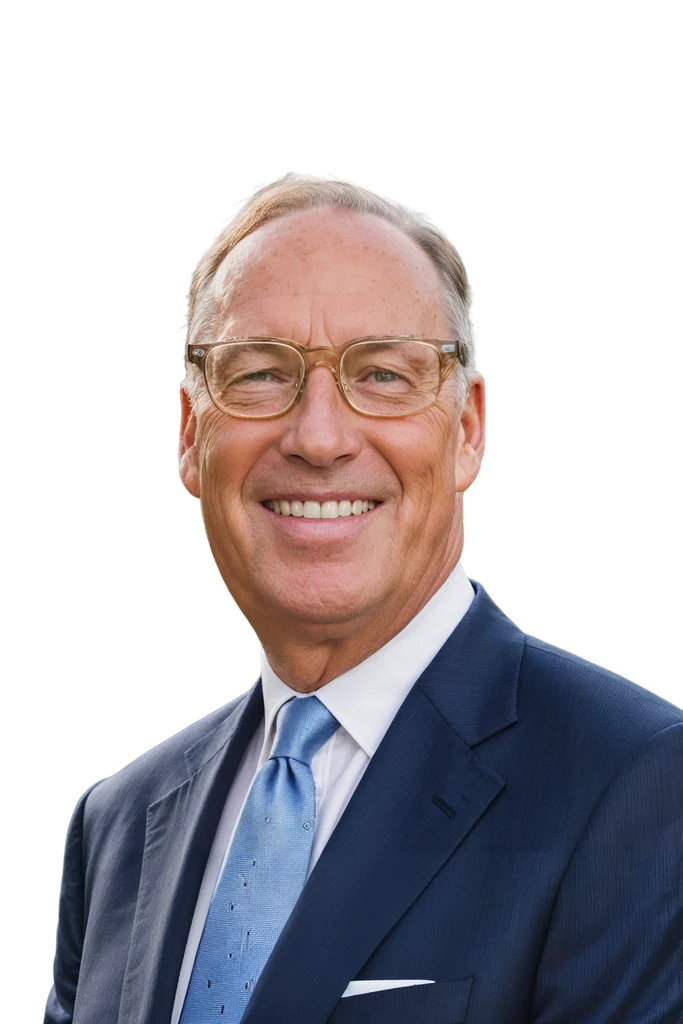
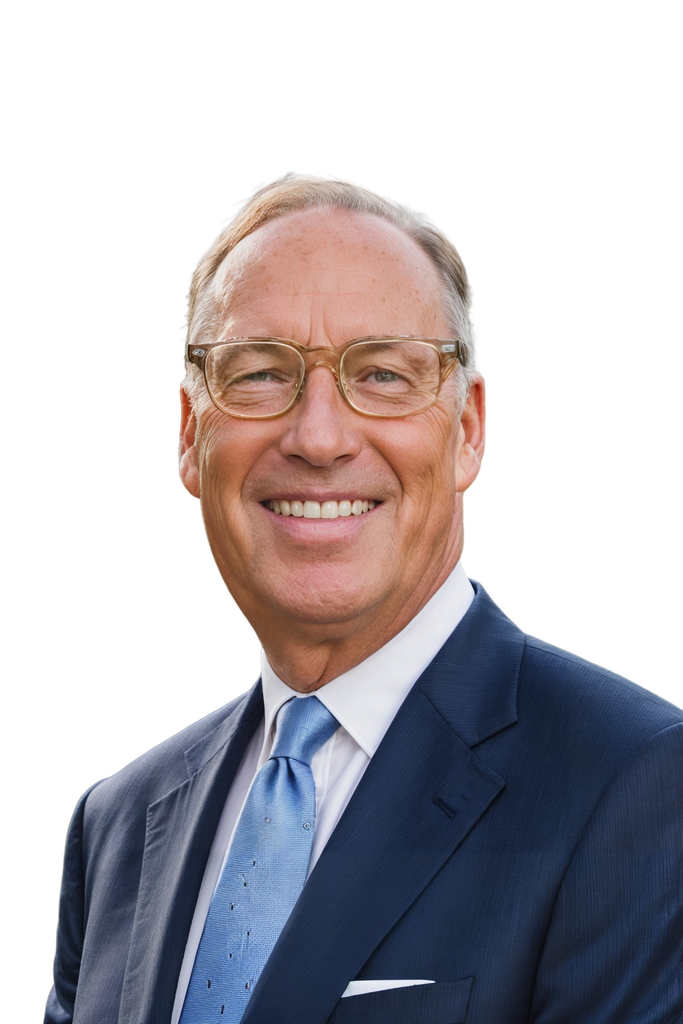
In Season 6, Episode 75, host Sherri Snelling—a renowned corporate gerontologist, author, and CEO of the Caregiving Club—sat down with Ted Butler, the host of the Voice of Reverse Mortgage podcast from Mutual of Omaha. The conversation delved into how reverse mortgages are evolving from a niche financial product into a strategic tool for older adults, particularly those navigating the challenges of "solo aging."
The Financial Landscape of Modern Caregiving
The financial burden of caregiving is often underestimated. With the cost of long-term care rising, families are frequently caught in the "Sandwich Generation" dilemma—simultaneously supporting aging parents and dependent children. For many, the family home represents their largest asset, yet it remains "locked" in equity.
During the interview, Snelling and Butler explored the rising popularity of reverse mortgages, especially among women over the age of 70 who live alone. As life expectancy increases and retirement savings face the pressures of inflation, the ability to tap into home equity without the requirement of monthly mortgage payments has emerged as a lifeline for many.
"Understanding the tools available to us is the first step in effective long-term care planning," noted Snelling. "By bringing in experts like Ted Butler, we aim to demystify products that can provide the liquidity needed for home modifications, in-home care, or other essential eldercare services."
Chronology: The Evolution of the Caregiving Club
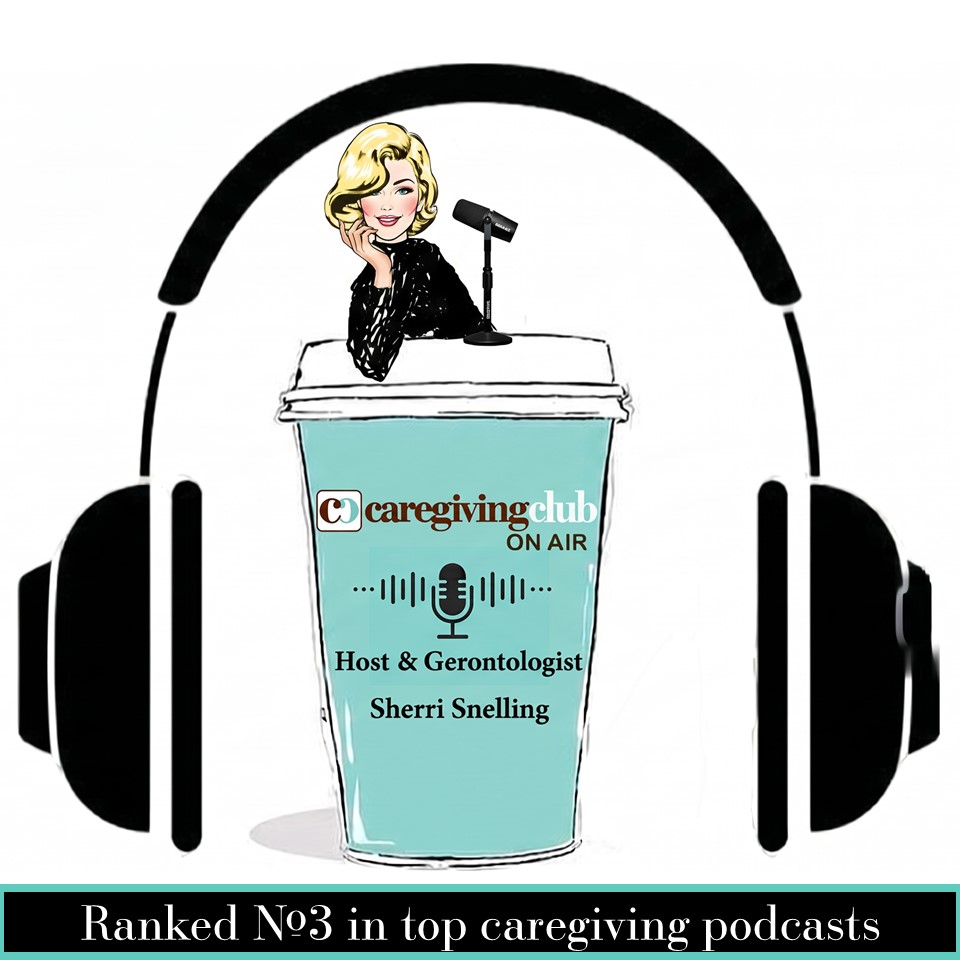
The Caregiving Club On Air podcast has seen a meteoric rise in influence since its inception. Now in its sixth season, the program serves as a vital repository of information for family caregivers.
- Foundation: The Caregiving Club was established to provide resources, education, and support for the growing population of informal caregivers.
- Broadening Reach: Recognizing the need for diverse media formats, the team expanded from written resources to audio podcasting, and most recently, to a dedicated YouTube channel.
- Industry Recognition: In a major milestone for the platform, the podcast recently achieved the #3 ranking among the top 80 caregiving podcasts globally, as assessed by the media monitoring firm Feedspot. This ranking reflects a growing audience of subscribers across major platforms including Apple Podcasts, Amazon Music, Spotify, and Sirius XM.
- The Digital Pivot: Looking toward 2026, the organization has announced a strategic shift, moving its "Caregiver Wellness News" and "Well Home Design News" segments to a dedicated YouTube channel to better serve visual learners and the mobile-first generation of caregivers.
Supporting Data: Why Financial Planning Matters
The urgency of this discussion is backed by significant data regarding the demographics of aging. According to recent demographic trends, the "solo ager"—individuals without children or a spouse to provide care—is the fastest-growing demographic among the elderly.
For these individuals, financial independence is not just a preference; it is a necessity for survival. Reverse mortgages provide a unique mechanism for these individuals:

- Liquidity: Converting home equity into a line of credit or monthly income stream.
- Retention: Allowing the homeowner to "age in place" in the comfort of their own home rather than moving to an institutional facility prematurely.
- Flexibility: Funds from a reverse mortgage are tax-free and can be used for any purpose, including paying for professional home health aides, modifying a home for accessibility, or covering out-of-pocket medical expenses.
Official Perspectives on Reverse Mortgages
Ted Butler, representing the Voice of Reverse Mortgage program, emphasized during the podcast that while reverse mortgages are powerful, they are not one-size-fits-all. He advocates for a "fiduciary-first" approach, where seniors thoroughly understand the long-term impact on their estate and their remaining equity.
"The goal of a reverse mortgage is to offer peace of mind," Butler explained. "When an older adult no longer has to stress about the monthly mortgage payment, they can redirect those funds toward their quality of life, which is the ultimate goal of long-term care planning."
Sherri Snelling echoed this, emphasizing that financial planning must be integrated into the broader conversation about "lifespan caregiving." Her work, featured in various national publications, argues that when employers and families integrate financial wellness into their caregiving support, retention and productivity improve, and the overall stress on the caregiver is significantly mitigated.
Implications for the Future of Care
The implications of this episode are twofold: first, the necessity for proactive financial literacy among the elderly; and second, the vital importance of caregiver support systems in the workplace.
Implications for the Individual
For the individual caregiver or senior, the message is clear: do not wait for a crisis to evaluate your financial health. Engaging with professionals who understand both the financial product and the psychological toll of caregiving is essential. Resources like the Elder Care Locator (eldercare.gov) and professional financial consulting are no longer optional—they are foundational components of a successful aging strategy.
Implications for the Workplace
As more employees become caregivers, organizations are beginning to realize that the "one-size-fits-all" approach to benefits is insufficient. Snelling’s research suggests that companies that provide comprehensive support—including training for managers and resources for financial planning—benefit from higher employee retention and a healthier corporate culture.
Moving Forward: Expanding the Resource Network
As the Caregiving Club continues to expand its reach, listeners and readers are encouraged to leverage the growing library of resources:
- Educational Content: The "Self-Care in 7 Minutes" video series provides quick, actionable wellness tips for stressed caregivers.
- Literature: Sherri Snelling’s book, Me Time Monday, offers a structured approach to self-care, helping caregivers find balance while managing the heavy responsibilities of their roles.
- Community Engagement: By subscribing to the Caregiving Club on YouTube, users gain access to bi-weekly news updates that cover the latest research, policy changes, and social trends impacting the caregiving community.
The journey of aging is complex, but it is not one that needs to be navigated in isolation. Through the synthesis of expert financial advice—such as that provided by Ted Butler—and the advocacy of thought leaders like Sherri Snelling, families are better equipped to face the future with confidence, security, and dignity.

Resource Directory
For those seeking to further their education on these topics, please utilize the following links:
- Financial Expertise: Voice of Reverse Mortgage – Mutual of Omaha
- Governmental Support: Elder Care Locator (or call 1-800-677-1116)
- Wellness Resources: Self-Care in 7 Minutes Video Series
- Professional Development: Caregiving Club YouTube Channel
As we conclude our focus on Financial Planning and Long-Term Care Month, we invite you to review our archives and join the conversation. Whether you are caring for a loved one or planning for your own future, knowledge is your most valuable asset.