










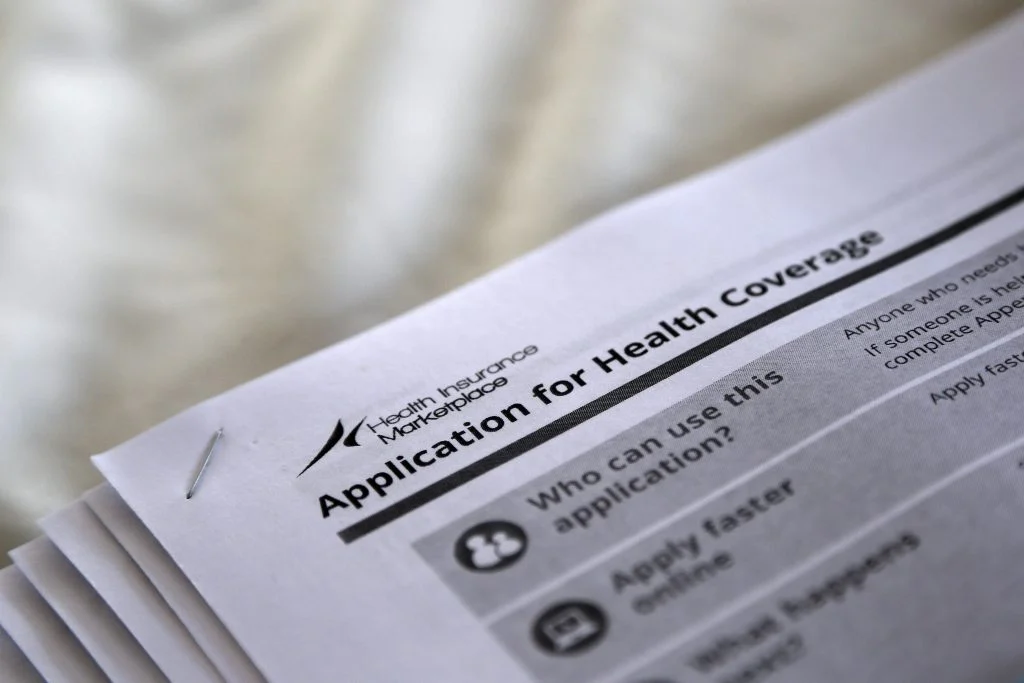
WASHINGTON — As the annual open enrollment period for the Affordable Care Act (ACA)—commonly referred to as "Obamacare"—prepares to launch this Sunday, millions of Americans are bracing for a landscape defined by volatility, shifting policy priorities, and significant fiscal headwinds. Running through January 15, the 2027 sign-up window arrives against a backdrop of intense administrative scrutiny, expiring financial protections, and a fundamental realignment of the federal government’s role in the health insurance marketplace.
For consumers, the takeaway is stark: navigating the exchange in 2027 will require more diligence than in years past. With premium hikes, stricter eligibility verification, and a narrowed scope of financial assistance, the path to securing affordable coverage has become significantly more complex.
Main Facts: The 2027 Outlook
The core of the upcoming enrollment cycle is characterized by a "triple threat" to consumer affordability: the expiration of pandemic-era subsidies, a rise in the cost of medical services, and an aggressive administrative crackdown on enrollment integrity.
Data from the Centers for Medicare & Medicaid Services (CMS), as analyzed by the non-profit healthcare research group KFF, suggests an average premium increase of 13% for plans sold on the federal marketplace for the 2027 calendar year. This surge is not merely a reflection of inflation; it is the culmination of structural shifts in the healthcare sector and a deliberate reduction in federal budgetary support for the program.
Furthermore, the eligibility criteria have tightened. New restrictions regarding the documentation of "lawful presence" for immigrants and more rigorous cross-referencing of enrollment data have created a more restrictive environment for prospective applicants. For many, these changes may result in the sudden loss of tax credits or, in some cases, the termination of existing coverage.
Chronological Evolution: From Expansion to Contraction
To understand the current state of the ACA, one must view it through the lens of recent political history.
- 2020–2022 (The Expansion Era): The onset of the COVID-19 pandemic prompted an unprecedented federal response. Under the American Rescue Plan Act and the Inflation Reduction Act, the Biden administration introduced enhanced subsidies that dramatically lowered out-of-pocket costs for millions of enrollees. During this window, enrollment soared, peaking at record highs as the federal government sought to ensure universal access during a global health crisis.
- 2025–2026 (The Policy Pivot): With the inauguration of the second Trump administration, the federal approach to the ACA shifted toward fiscal austerity and a re-evaluation of administrative oversight. Republicans, long-time critics of the ACA’s cost structure, moved to sunset the expanded subsidies introduced during the prior administration.
- Late 2026 (The Crackdown): In a high-profile move in September, Vice President JD Vance and other administration officials announced a massive audit of the exchanges. The administration alleged that hundreds of thousands of enrollees were either non-existent or ineligible for the benefits they were receiving. This resulted in the removal of roughly 760,000 individuals from the program, a move the administration touted as a $2.2 billion cost-savings measure.
- January 2027 (The Current Enrollment Window): As the exchange opens, the market is smaller, more expensive, and subject to intense federal verification protocols.
Supporting Data: The Drivers of Price Increases
The 13% average premium hike is the result of a convergence of economic and policy-driven pressures. Cynthia Cox, Vice President and Director of the ACA program at KFF, notes that the drivers are multifaceted.
Hospital Market Concentration
As hospital systems consolidate, the reduction in competition has historically led to higher negotiated rates between providers and insurers. When insurers face higher costs for hospital services, those costs are inevitably passed down to the consumer in the form of higher monthly premiums.
The "No Surprises Act" and GLP-1 Drugs
The "No Surprises Act," which aimed to protect patients from unexpected out-of-network billing, has had the secondary effect of shifting how provider reimbursement is calculated. Simultaneously, the skyrocketing popularity and utilization of GLP-1 weight-loss and diabetes medications have placed immense pressure on insurance plan formularies. Because these drugs are expensive to cover, insurers have adjusted their premium calculations to account for the increased utilization of these high-cost prescriptions.
The Subsidy Gap
The most significant factor for the average household is the loss of federal financial assistance. With the expiration of COVID-era tax credits, middle-income families who do not qualify for traditional subsidies are seeing the full brunt of these market adjustments. Many are being forced into "Bronze" level plans—the most basic coverage tiers with the highest deductibles—simply to maintain any form of health insurance.
Official Responses: Conflicting Narratives
The federal government’s messaging surrounding the 2027 enrollment period has been characterized by a divide between the Department of Health and Human Services (HHS) and the broader policy goals of the current administration.
A CMS fact sheet distributed this past Friday emphasized that "Americans using HealthCare.gov will have robust access to low-cost plans." This messaging seeks to reassure the public that the exchange remains a viable venue for coverage. However, the reality on the ground—defined by fewer options and higher costs—stands in contrast to this optimism.
Conversely, the administration’s rhetoric remains focused on "waste, fraud, and abuse." Vice President Vance has maintained that the removal of 760,000 enrollees was a necessary corrective measure to protect taxpayer funds. By framing the reduction in enrollment as a success in fiscal discipline, the administration is signaling a long-term goal of shrinking the federal footprint in the private insurance market.
Implications: A Shrinking Safety Net
The long-term implications of these changes are profound. Experts warn of a "domino effect" that could lead to a significant increase in the number of uninsured Americans.
The Immigrant Population
New regulations targeting the eligibility of lawfully present immigrants for tax credits are expected to have a tangible impact on the uninsured rate. KFF projections suggest that these barriers could leave upwards of 1 million people without coverage, as they are priced out of the private market and stripped of the subsidies that once made enrollment viable.
Market Instability and "Churn"
"Churn"—the process by which people move in and out of coverage—is expected to accelerate. As premiums rise and administrative hurdles for verifying identity and income increase, many individuals may simply stop trying to navigate the marketplace. This creates a risk of adverse selection: as healthier, younger people potentially leave the market due to cost, the remaining risk pool becomes sicker and more expensive to insure, potentially triggering a cycle of even higher premiums in 2028 and beyond.
A Harder Landscape to Decode
Cynthia Cox points out a critical danger: the loss of transparency. "I think there’s going to be fewer people enrolled in this market, but it’s going to be harder to understand why," she notes. Because there are so many variables—from the specific state policies to individual eligibility changes and the ongoing anti-fraud audits—it will be difficult for researchers and policymakers to determine exactly who is leaving the market and why.
For the American consumer, the 2027 open enrollment period is not merely a bureaucratic task. It is a moment of decision. With fewer safety nets and higher financial stakes, the need for clear communication and accessible navigation tools has never been greater. As the window closes in mid-January, the nation will get its first clear look at the impact of these policies on the health and financial security of millions of citizens.
While the administration champions its efforts as a win for fiscal integrity, the data suggests that for a significant portion of the population, the promise of "affordable" care is becoming increasingly difficult to fulfill.