








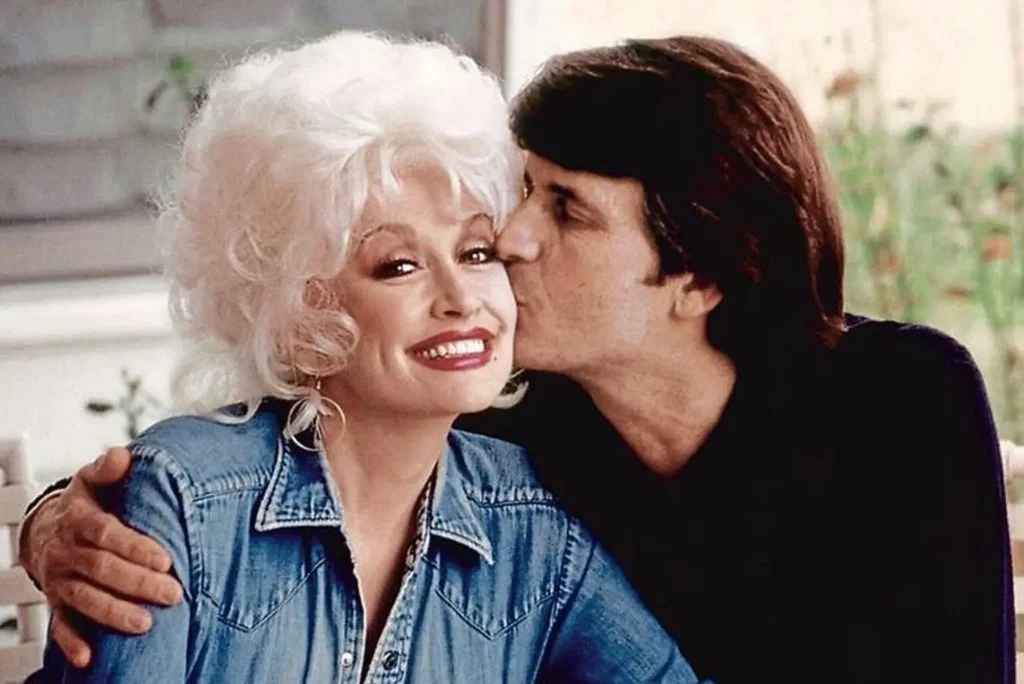
The world stood still on August 25, 2026, with the news that the legendary Dolly Parton had passed away at the age of 80. For millions, the loss felt like the dimming of a global beacon—a woman who had spent six decades as an ambassador of joy, an icon of Appalachian resilience, and a unifying force in an increasingly fractured cultural landscape. From her songwriting mastery to the profound impact of her Imagination Library, which has distributed over 300 million books to children worldwide, Parton’s life was defined by her ability to turn simple human truths into global movements.
However, as the tributes pour in and the public reflects on her monumental career, a quieter, more personal story has emerged from the final chapter of her life. It is the story of a devoted wife who spent her final years in the trenches of caregiving, navigating the agonizing decline of her husband of 59 years, Carl Dean. Her passing, occurring just 18 months after his, serves as a poignant, cautionary, and deeply human case study on what gerontologists call the "Widowhood Effect."
The Chronology of Devotion: A Life Put on Hold
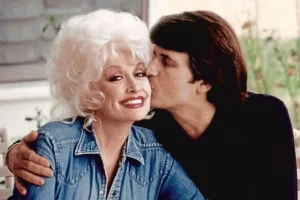
To understand the gravity of Parton’s final years, one must look at the timeline of her commitment to Carl Dean. While the world saw the sparkling entertainer, her private life was anchored by a marriage that defied the ephemeral nature of celebrity unions.
In 2019, as the couple reached their golden years, Carl Dean received a diagnosis of Alzheimer’s disease. For many, such a diagnosis signals a transition to professional care; for Parton, it signaled a fundamental shift in her purpose. By 2022, the woman who had built an empire—including the sprawling entertainment hub of Dollywood—made the calculated decision to halt her touring career. She traded the spotlight for the quiet, grueling reality of being a primary, full-time caregiver.
The decline of a spouse is a journey of "ambiguous loss," where the partner is physically present but psychologically fading. Over those 18 months following Dean’s death, Parton’s own health began to falter. In her own words, shared in a vulnerable social media post, she acknowledged: "When my husband Carl was very sick… I didn’t take care of myself, so I let a lot of things go that I should’ve been taking care of."
The Science of the "Widowhood Effect"
The "Widowhood Effect" is not a mere poetic metaphor for a broken heart; it is a clinical phenomenon. It describes the statistically significant increase in mortality risk for a surviving spouse shortly after the death of their partner.
Research consistently shows that the stress of caregiving, particularly for those managing dementia, acts as a physiological accelerant. When a caregiver ignores their own health—skipping medical screenings, enduring chronic sleep deprivation, and neglecting nutritional or emotional needs—their body enters a state of persistent, low-grade inflammation.
The Intensity of Dementia Caregiving
Caregiving for a loved one with Alzheimer’s or other forms of dementia is uniquely taxing. Unlike other caregiving roles, it often involves managing neurodegenerative behaviors:
- Sundowning: Episodes of confusion and agitation as evening approaches.
- Wandering: A constant source of safety-related anxiety.
- Communication Breakdown: The loss of the ability to connect verbally, which strikes at the heart of the spousal bond.
Studies, including those published in Psychological Bulletin, indicate that dementia caregivers face a higher burden of physical and psychological health degradation than almost any other category of caregiver. They are more likely to suffer from suppressed immune systems, hypertension, and clinical depression.
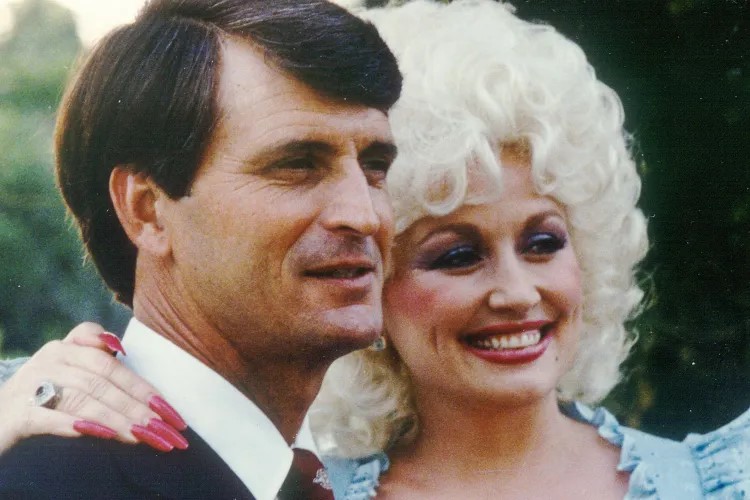
Supporting Data: The Scope of the Crisis
The statistics surrounding spousal caregiving in the United States are sobering. According to the 2025 AARP/National Alliance for Caregiving report, nearly 6 million Americans are currently providing care for a spouse. This represents approximately 10% of the total caregiver population, a number that rises sharply with age.
- Age-Related Prevalence: Among those with a spouse or partner aged 75 or older, 32% are actively providing care.
- Duration and Intensity: The average caregiver of an adult over 50 now spends 26 hours per week on care-related tasks, an increase from 22 hours in 2020.
- The Gender Gap: Women, who statistically outlive their husbands, are disproportionately represented in these statistics. Research from the National Institutes of Health confirms that female spousal caregivers are significantly less likely than other family members to seek or accept professional respite care, often feeling a profound sense of duty to "do it all" alone.
The mortality risk is immediate. A 2023 Danish study tracking one million citizens found that the younger the spouse is at the time of loss, the higher the risk of mortality within the first year. Other studies have identified a 66% increased mortality risk within the first 90 days of bereavement. The biological mechanism is often linked to the "inflammation of grief," where the body’s stress response remains stuck in a "fight or flight" mode, escalating the risk of cardiac events and cancer.
Implications: A Call for Social Wellness Planning
Parton’s legacy is now inextricably linked to the necessity of "Social Wellness Planning." Her life, though marked by immense success, highlights a critical gap in our social infrastructure: the failure of even the most capable, resourceful, and wealthy individuals to access necessary respite care.
The Three-Part Equation of Love
Parton’s passing serves as a grim reminder that when we care for others, we must maintain a triad of support: the person we care for, our faith or spiritual outlet, and—most crucially—ourselves. By neglecting her own physical health, Parton fell victim to a systemic issue where caregivers are often viewed as "extensions" of the patient rather than individuals with their own vital needs.
Policy and Respite Innovation
There is a growing recognition that the current model of caregiving is unsustainable. With only 14% of dementia caregivers currently utilizing respite services, there is a massive deficit in awareness and accessibility.
Recent federal funding—$25 million earmarked for respite innovation in 2025—is a step in the right direction. However, the culture of "self-sacrifice" remains the greatest barrier. Many caregivers feel that hiring help is an act of betrayal or failure, a stigma that organizations like the ARCH National Respite Care Network and Hilarity for Charity are working to dismantle.
Resources for Caregivers: Breaking the Cycle
For those currently navigating the difficult path of spousal caregiving, experts emphasize that seeking help is not a luxury; it is a necessity for survival.
- Professional Respite: Organizations like Comfort Keepers and Care.com provide professional intervention that allows the primary caregiver to step away, reset, and ensure their own health does not decline.
- Community Networks: The use of CaringBridge or Respitely allows family and friends to coordinate "CareGifting," ensuring that the burden does not fall on one person alone.
- Veteran Support: For spouses of veterans, the VA Caregiver Support Program offers up to 30 days of respite care per year, a vital lifeline for those caring for our nation’s heroes.
- Local Agencies: The Area Agencies on Aging (via UsAging) remain the most accessible resource for finding local, often free or low-cost, support services.
Conclusion: A Cautionary Tale of Love
Dolly Parton was, above all, a woman who knew the value of a story. Her final chapter was not the one she would have chosen for her biography, but it may be the most important one she ever told. By being open about her neglect of her own health, she has provided a final service to the millions of spouses who are currently working themselves to the point of exhaustion.
The "Widowhood Effect" is a silent pandemic among the aging population. As we move from the observation of August’s National Wellness Month into September’s Self-Care Awareness Month, the lesson is clear: Love requires us to be present, and to be present, we must remain healthy. Dolly Parton gave everything to the world, but in her final act, she taught us that even the strongest among us must learn to accept the gift of being cared for. Her legacy is not just in the songs she wrote, but in the warning she left behind: that the greatest gift you can give your partner is to ensure you are still standing when the journey ends.