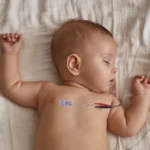





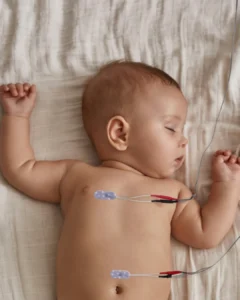


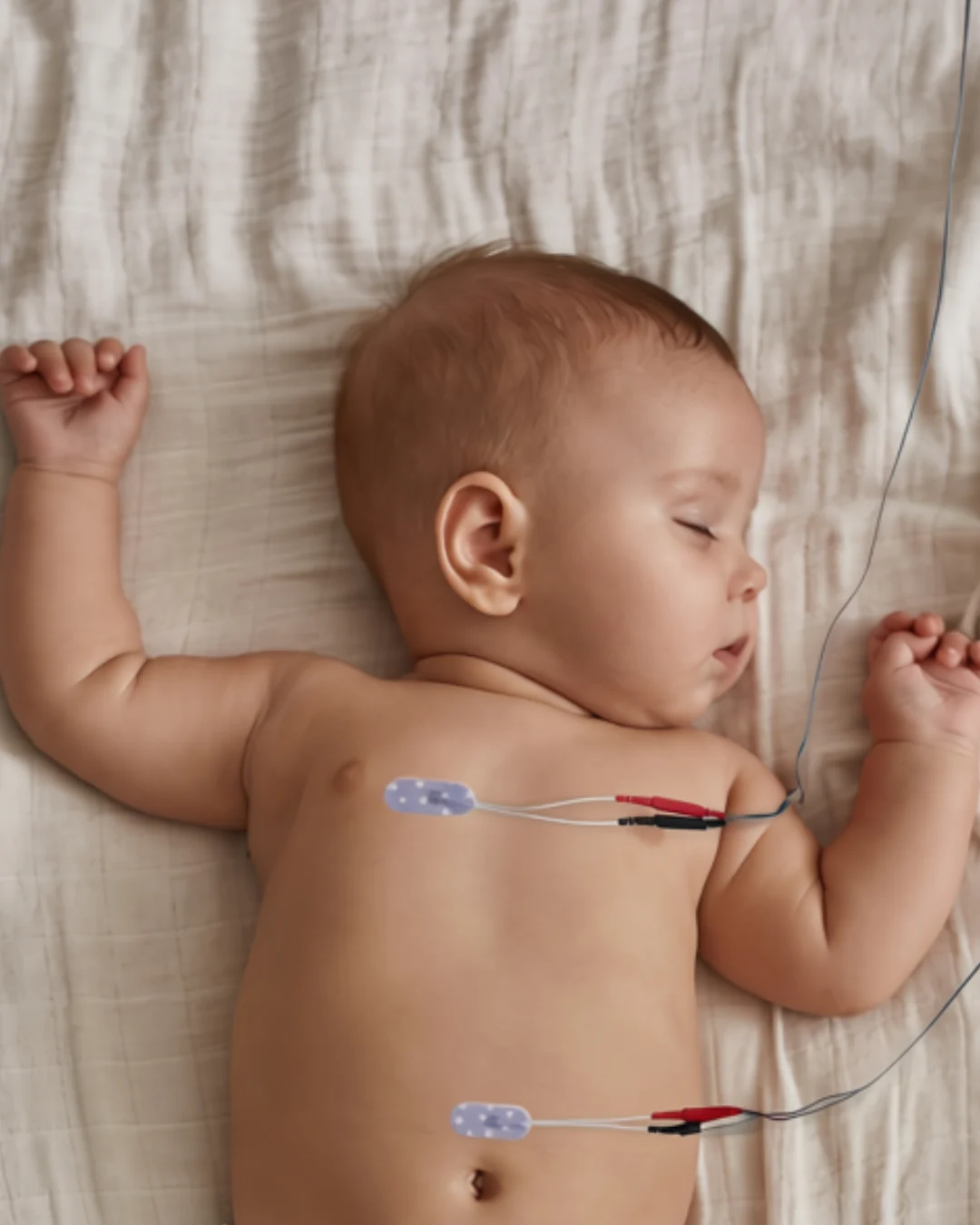
In the sensitive field of pediatric neurodiagnostics and sleep medicine, the comfort of the patient is not merely a matter of convenience—it is a clinical necessity. Neonates, infants, and young children often struggle with the physical constraints of traditional diagnostic equipment, leading to agitation, data artifacts, and sometimes the premature termination of vital sleep studies. Addressing these challenges, Dymedix Diagnostics has officially launched the GentleTouch Respiratory Effort Patch, a pioneering solution that replaces cumbersome elastic belts with lightweight, high-sensitivity polyvinylidene fluoride (PVDF) technology.
This development marks a significant shift in how clinicians monitor respiratory effort, promising to bridge the gap between high-fidelity diagnostic data and the physiological comfort required for our youngest, most vulnerable patients.
The Clinical Challenge: Why Pediatric Monitoring Demands Innovation
To understand the importance of the GentleTouch patch, one must first recognize the difficulties inherent in pediatric sleep and neurodiagnostic testing. Traditional respiratory effort monitoring typically relies on piezoelectric or inductive plethysmography belts. While effective for adults, these belts are often too bulky, restrictive, or uncomfortable for neonates and infants.
When a young patient feels restricted by a belt, their natural tendency is to squirm, cry, or attempt to remove the device. This physical activity introduces "noise" into the data, known as motion artifacts, which can obscure critical physiological waveforms. In many cases, the discomfort leads to fragmented sleep, rendering the diagnostic study inconclusive and forcing the patient to undergo a repeat procedure—an expensive and stressful prospect for both families and healthcare providers.
Dymedix Diagnostics’ entry into the market with the GentleTouch patch is designed specifically to mitigate these issues by utilizing a low-profile, adhesive-based sensor that moves with the patient, rather than confining them.
Technical Foundations: The Power of PVDF Technology
At the heart of the GentleTouch solution is polyvinylidene fluoride (PVDF) technology. PVDF is a high-performance, piezoelectric polymer that generates an electrical charge in response to mechanical stress or deformation. In the context of respiratory monitoring, as the patient’s chest or abdomen expands and contracts during breathing, the PVDF sensor within the patch registers these micro-movements with exceptional precision.
Key Technical Advantages:
- High Sensitivity: Unlike older technologies that require significant physical displacement to register a signal, PVDF is highly sensitive, picking up even shallow, neonatal respiratory efforts.
- Rapid Response Time: The material properties of PVDF allow for near-instantaneous signal transmission, ensuring that the waveform viewed by the technician in the control room is a real-time reflection of the patient’s breathing cycle.
- Belt-Free Interface: By eliminating the elastic belt, the patch removes the primary source of skin irritation and physical restriction, allowing for a more natural sleep environment.
Chronology of Development: From Concept to Clinical Application
The development of the GentleTouch patch did not happen in a vacuum. It is the latest evolution in Dymedix’s "Lullaby" line of pediatric sensors, a product suite specifically engineered for the unique anatomical and behavioral requirements of the pediatric demographic.
- Requirement Analysis (2022-2023): Dymedix engaged with sleep centers and neonatal intensive care units (NICUs) to identify pain points in pediatric polysomnography (PSG). The consensus was clear: existing belt technology was the single greatest barrier to successful pediatric data acquisition.
- Prototyping and Material Science: The engineering team pivoted toward integrating flexible, medical-grade adhesive substrates with the existing PVDF sensor technology to ensure it could conform to the curved, delicate skin of an infant.
- Validation and Pilot Testing: Throughout 2024 and 2025, the technology underwent rigorous testing to ensure that the signal quality was equivalent to, or better than, traditional belts.
- Market Launch (Late 2026): With the official announcement, the GentleTouch patch is now transitioning into clinical environments, aiming to become the new standard for pediatric respiratory effort monitoring.
Official Perspectives: The Leadership Vision
The executive team at Dymedix Diagnostics views the GentleTouch launch as a landmark achievement in their broader corporate mission to advance pediatric diagnostic standards.
Todd Eiken, Vice President of Product Development
"As part of our ongoing commitment to advancing pediatric diagnostics, we are excited to introduce GentleTouch as the latest addition to our Lullaby line of pediatric sensors," said Eiken. He emphasized the balance between technical performance and patient experience: "Incorporating PVDF technology into the GentleTouch respiratory effort patch results in a unique beltless monitoring solution. GentleTouch is very light and much more tolerable for sensitive patients. The PVDF technology provides an extremely fast response time and is exceptionally sensitive to respiratory effort movement."
Troy Pridgeon, Vice President of Business Development
Pridgeon highlighted the strategic importance of the product in the context of neurodiagnostics. "We are very excited to address the increased interest in respiratory monitoring solutions in neonates and infant neurodiagnostic procedures," Pridgeon stated. "The GentleTouch effort waveform will assist greatly in identifying respiratory movement artifact within EEG and other data."

This acknowledgment of EEG integration is vital. In many neurodiagnostic settings, respiratory monitoring is secondary to brain wave tracking, yet respiratory artifacts can often be mistaken for neurological events. By providing a cleaner, more stable respiratory signal, the GentleTouch patch ensures that clinicians can more easily differentiate between true neurological spikes and simple movement artifacts.
Implications for Clinical Workflow and Patient Outcomes
The adoption of the GentleTouch patch is expected to have a ripple effect across pediatric healthcare facilities. The implications can be categorized into three distinct domains:
1. Improved Workflow Efficiency
For the sleep technician, the ability to apply a simple patch rather than adjusting multiple belts significantly reduces setup time. Furthermore, because the sensor is less likely to slip or cause discomfort, the technician spends less time entering the room to re-adjust equipment, thereby reducing disturbances to the patient’s sleep cycle.
2. Enhanced Data Quality
Superior data quality is the ultimate goal. With less motion artifact, clinicians spend less time "cleaning" the data post-study. This leads to faster interpretation times and more reliable diagnostic conclusions, which directly translates to better patient care and more accurate treatment planning for sleep disorders.
3. Patient and Family Satisfaction
Parents often feel significant anxiety when their children undergo diagnostic testing. A patient who is comfortable and able to sleep naturally is a patient whose family is significantly more at ease. By reducing the "medicalized" look and feel of the diagnostic suite, Dymedix is contributing to a more human-centered approach to pediatric medicine.
Supporting Data and Future Outlook
While the industry has long relied on traditional belts, the move toward "wearable-style" sensors is part of a broader trend in digital health. The GentleTouch system is not just an incremental improvement; it is a fundamental shift in the methodology of sensing.
As Dymedix continues to monitor the performance of the GentleTouch patch in active clinical settings, the data is expected to demonstrate:
- A reduction in the "Time to Fall Asleep" (TFA) for pediatric patients during PSG.
- A lower rate of study re-tests due to signal loss or patient intolerance.
- Increased compatibility with portable, home-based sleep testing kits, which are becoming increasingly common for pediatric patients who require monitoring outside of a hospital environment.
Conclusion: Setting a New Standard
The introduction of the GentleTouch Respiratory Effort Patch by Dymedix Diagnostics represents a significant leap forward in pediatric care. By successfully miniaturizing PVDF-based sensing technology and removing the traditional constraints of respiratory belts, Dymedix has provided a solution that respects the physiological fragility of the pediatric patient while meeting the rigorous technical demands of the clinician.
As healthcare providers continue to prioritize patient-centric design, the GentleTouch patch stands as a testament to the idea that the most effective medical technology is that which is "felt" the least. By minimizing the burden on the patient, Dymedix is ensuring that the path to a diagnosis is as smooth, accurate, and gentle as possible—a vital promise for the health and well-being of the next generation.