









By [Your Name/Journalistic Staff]
November 2, 2026
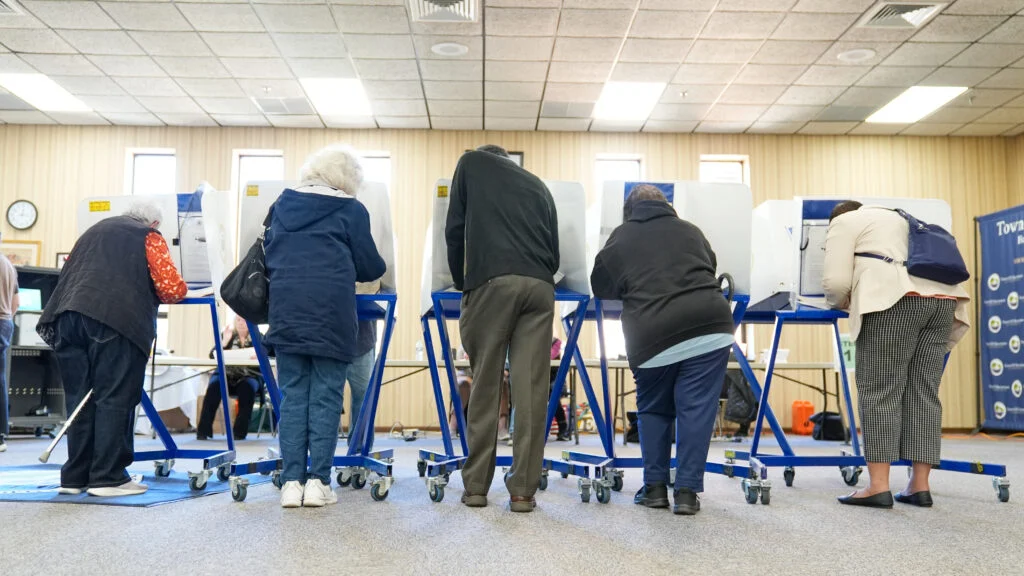
As the nation prepares for the 2026 midterm elections, the political discourse has been dominated by traditional debates over economic growth, geopolitical tensions, and legislative gridlock. Yet, beneath the surface of televised rallies and campaign advertisements, a quiet but profound crisis is simmering in the living rooms of the American middle class. For millions of voters who receive health insurance through their employers, the "Health Care Inc." reality—defined by soaring premiums, baffling deductibles, and a growing sense of financial precarity—has become a decisive, if often unspoken, referendum on the status quo.
The Core Conflict: A System Out of Reach
The fundamental tension in the American health care landscape is the widening chasm between coverage and affordability. While employer-sponsored insurance (ESI) remains the primary vehicle for health security for nearly 160 million Americans, its value proposition has eroded significantly over the last decade.
Recent analysis suggests that the "out-of-pocket" burden is no longer just a medical issue; it is a fundamental economic drag. As deductibles have climbed at a rate consistently outpacing wage growth, the traditional safety net of insurance has morphed into a high-stakes financial gamble. For the average family, a routine medical procedure or a chronic diagnosis is no longer just a health challenge—it is a potential catalyst for bankruptcy or long-term debt.
In the lead-up to tomorrow’s polls, this structural failure is serving as a primary motivator for voters who feel that the current political apparatus has prioritized the profitability of insurance conglomerates and pharmacy benefit managers (PBMs) over the solvency of the American household.
Chronology: The Road to the 2026 Breaking Point
To understand why health care has reached this critical juncture in the 2026 midterms, one must look back at the steady accumulation of systemic pressure:

- 2023-2024: The Inflationary Spike: Following the post-pandemic recovery, medical inflation began to outpace general consumer price indices. Hospitals, facing labor shortages and rising supply costs, aggressively renegotiated contracts with insurers, passing the costs down to the policyholder.
- Early 2025: The PBM Transparency Push: A series of congressional hearings brought the role of Pharmacy Benefit Managers into the spotlight. Allegations of "rebate traps" and obfuscated drug pricing fueled bipartisan public anger, setting the stage for the current election cycle.
- Mid-2026: The "Cost-of-Care" Climax: By the summer of 2026, data showed that out-of-pocket spending had reached record highs. Employers, struggling to maintain their own margins, began shifting a larger percentage of premiums onto employees, effectively neutralizing any nominal wage gains made in the previous year.
- October 2026: The final weeks of the campaign cycle saw a surge in "medical financial anxiety" polling. Analysts noted that in swing districts, the issue of "surprise medical bills" and "deductible fatigue" outperformed more traditional campaign talking points in internal focus groups.
Supporting Data: The Anatomy of the Burden
The numbers tell a story of systemic exhaustion. According to data from the Kaiser Family Foundation and independent economic think tanks, the average annual premium for family coverage has seen an incremental but relentless upward trend, now eclipsing the $25,000 threshold when accounting for both employer and employee contributions.
More tellingly, the "underinsured" population has grown. This cohort, comprised of individuals who have insurance but whose deductibles represent such a significant portion of their income that they delay or forgo care, now constitutes nearly one-third of the workforce.
Furthermore, the concentration of market power among a few major health systems and a handful of massive insurance carriers has stifled competition. In many regional markets, the lack of price transparency means that consumers are shopping for services in a "black box" economy, where the cost of an MRI or a specialist visit can vary by thousands of dollars within a ten-mile radius, with no clear correlation to quality or outcomes.
Official Responses: The Political Palliative
The political response to this mounting frustration has been a study in contrast.
Democratic incumbents have largely framed the issue through the lens of consumer protection, pointing to the Inflation Reduction Act’s provisions and calling for further regulation of PBMs and an expansion of price transparency mandates. Their messaging centers on the idea that the government must act as a check on corporate profit-taking.
Conversely, Republican challengers have largely attacked the complexity of the current system, advocating for a "market-driven" approach that emphasizes Health Savings Accounts (HSAs) and the dismantling of regulatory barriers they claim increase administrative overhead. They argue that the current crisis is a symptom of excessive government intervention that has crowded out innovation and competition.

However, both sides have struggled to offer a comprehensive, structural solution that addresses the core issue: the fundamental inefficiency of the U.S. fee-for-service model. While voters are looking for a "fix," politicians are largely offering incremental adjustments to a system that many experts argue is fundamentally misaligned with the economic realities of the 21st century.
The Implications: Beyond the Ballot Box
The outcome of tomorrow’s election will have immediate implications for health policy, regardless of which party gains control of the legislature.
- The Legislative Outlook: Expect a renewed push for aggressive PBM reform. There is rare bipartisan consensus that the current drug supply chain is inefficient and lacks transparency. Legislation aimed at banning "spread pricing" and requiring higher rebate pass-throughs is likely to see the light of day in the next session.
- The Future of Coverage: As the employer-sponsored model becomes increasingly untenable for the middle class, pressure will mount to either stabilize the individual markets or move toward a system of portable, individual-focused coverage. This will likely trigger a massive lobbying battle between insurers, who favor the current system, and tech-forward startups seeking to disrupt the legacy insurance model.
- The Erosion of Trust: Perhaps the most significant implication is the long-term impact on the public’s faith in the medical-industrial complex. When patients view their insurers and doctors as financial adversaries rather than partners in care, the entire system loses its efficacy. The "hidden" cost of this mistrust—decreased adherence to treatment, delayed preventative care, and an overall decline in population health—will be the true legacy of this era.
Conclusion: A Quiet Reckoning
As voters head to the polls, the debate over health care will not be defined by abstract policy goals like "universal coverage" or "market freedom." Instead, it will be defined by the visceral experience of opening a medical bill or looking at a pay stub and realizing that the math simply doesn’t add up.
Whether the 2026 midterms result in a decisive mandate for change or a continuation of the current stalemate, the message from the American electorate is clear: the status quo is an economic weight that the working class is no longer willing to bear. The "Health Care Inc." era is facing its most significant test yet—not in the boardrooms of the insurance giants, but in the quiet, decisive act of casting a ballot.
For the winners of tomorrow’s election, the real work will begin the day after: finding a way to rebuild a system that has, for too many, ceased to be a service and become a source of profound, systemic stress.