







Published November 2, 2026
In the modern yoga studio, the orientation of one’s mat is often dictated by the architecture of the room—where the mirrors are, where the door opens, or where the most floor space is available. However, a deeper dive into the classical yoga tradition suggests that the direction we face is far from arbitrary. According to the Gheranda Samhita, a seminal 17th-century text on Hatha Yoga, the orientation of one’s practice is a deliberate act of energetic alignment, with practitioners encouraged to face either north or east.
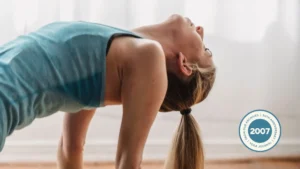
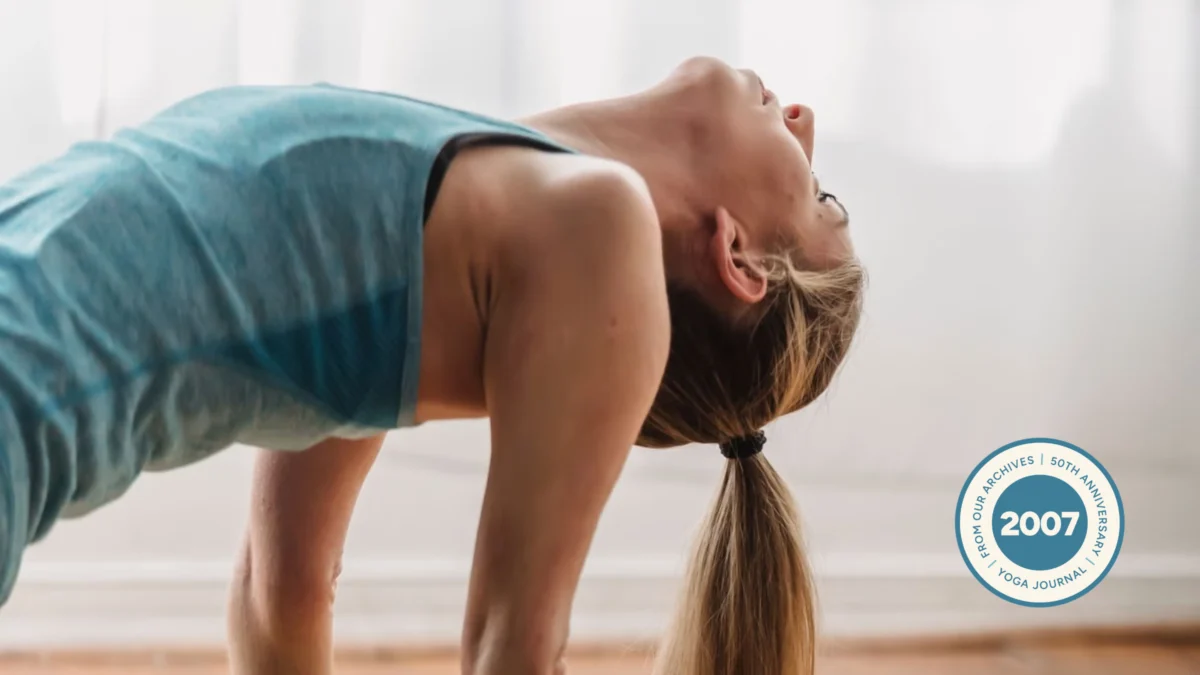
As we revisit this archival exploration from the June 2007 issue of Yoga Journal, we find that the physical practice of yoga—specifically the challenging Upward Plank Pose (Purvottanasana)—is not merely a test of strength, but a symbolic navigation of the body’s own internal compass.
The Energetic Compass: Why Direction Matters
In the landscape of classical Hindu cosmology, the cardinal points are not merely navigational tools; they are imbued with archetypal significance. Yoga scholar Alain Danielou famously noted that the four cardinal and four intermediate points represent specific energetic properties that can serve as a catalyst for spiritual inquiry.
The Power of the East
Facing east aligns the practitioner with the rising sun. In Hindu mythology, the east is guarded by Indra, the thunderbolt-wielding lord of protectors and the archetype of courage and raw power. More symbolically, the sun represents the Atman or the embodied Self. As the sun rises, it serves as a metaphor for the awakening of spiritual consciousness. By facing the dawn, the yogi is quite literally turning toward the source of earthly life, inviting the "light" of insight to penetrate their practice.
The Constancy of the North
The north is synonymous with the pole star, or Dhruva in Sanskrit—a term meaning "fixed" or "eternal." Amidst the chaotic motion of the night sky, the pole star remains an unmoving point of reference, embodying the quality of unwavering willpower. Furthermore, the north is the domain of the Himalayas and the mythic Mount Meru. Viewed as the "navel of the earth," Mount Meru acts as the celestial bridge connecting the physical realm to the divine. To practice facing north is to align oneself with this eternal axis of stability and aspiration.
The Body as a Map: Paschima and Purva
The yogic tradition extends this sense of directionality to the body itself. In the lexicon of Sanskrit, these cardinal directions become anatomical descriptors. Paschima translates to both "back" and "west," while Purva means both "front" and "east."
This linguistic connection births two foundational pillars of the asana practice:
- Paschimottanasana (Seated Forward Bend): The "Intense Stretch of the West." By folding forward, the practitioner focuses on the back body, creating a deep, introspective release.
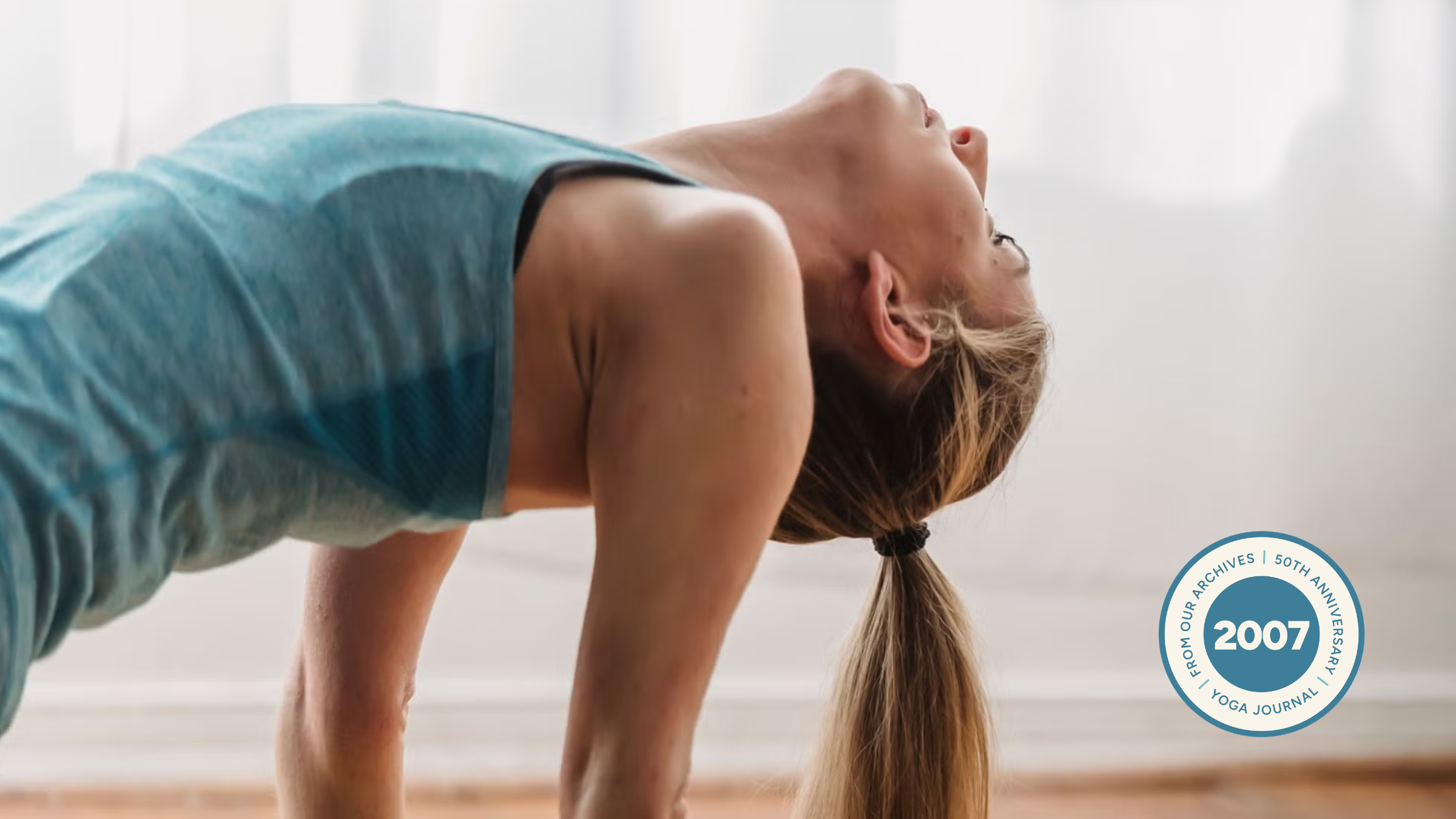
- Purvottanasana (Upward Plank Pose): The "Intense Stretch of the East." This is the essential counterpose to the forward bend. It demands a vigorous opening of the front body, exposing the "east" to the light and space.
Anatomical Implications of Purvottanasana
Purvottanasana is a demanding posture that functions as a comprehensive tonic for the body. It stretches the entire anterior chain—from the ankles, through the thighs, groins, and belly, all the way to the throat and shoulders.
Beyond flexibility, the pose is a masterclass in functional strength. It builds resilience in the wrists, engages the triceps, and firms the gluteal muscles. From a physiological standpoint, it serves as an vital counter-action to Chaturanga Dandasana (Four-Limbed Staff Pose), which dominates many modern Vinyasa sequences. By moving from a position of intense flexion to one of sustained extension, the practitioner balances the musculature and improves systemic equilibrium.
Chronology of Progression: Using Props to Master the Pose
For many students, the full expression of Purvottanasana—lifting the hips while keeping the legs straight and chest open—can be physically overwhelming, particularly for those with limited shoulder mobility or wrist sensitivities. The following progression, rooted in the pedagogical methods of the early 2000s, allows for a safe, incremental approach to the pose.
Phase 1: Grounded Foundation
The journey begins on the floor. In Dandasana (Staff Pose), the practitioner learns the vital skill of scapular stabilization. By rotating the thighs inward and positioning the hands behind the hips, the student must learn to broaden the scapulas rather than squeezing them together. This "soft front torso" is the key to preventing lower back compression. By practicing this lift while keeping the lower body grounded, the student develops the muscular memory needed for the full pose.
Phase 2: Chair-Supported Transitions
The chair acts as a bridge for those who struggle to elevate their center of gravity. By gripping the back edge of a chair, the practitioner learns to rotate the upper arms outward, providing space for the chest to lift. This variation allows for a "diagonal" alignment where the student can focus on firming the tailbone—a critical action to prevent the belly from collapsing. Once comfortable, adding leg extensions—lifting one foot at a time—prepares the core for the full weight-bearing demands of the final pose.
Phase 3: The Block-Assisted Elevation
For those struggling with neck tension or lack of lift in the thoracic spine, a block placed on a chair seat acts as a vital support for the head. This allows the practitioner to bypass the fear of neck collapse and focus on the primary action: pressing the bases of the index fingers into the floor and driving the heart toward the sky. This stage is about refining the connection between the base of the big toe and the lift of the sternum.
Official Guidance and Safety Protocols
The practice of Purvottanasana should never be rushed. As noted in the original 2007 guidelines, those with chronic shoulder, wrist, or neck pathologies should approach this pose only under the direct supervision of an experienced instructor.
The primary danger in this pose is "collapsing" into the joints—specifically the lumbar spine and the shoulder girdle. If the chest does not lift, the pressure on the lower back increases exponentially. Therefore, the "rule of the prop" is essential: do not attempt to extend the legs fully until the chest is sufficiently open. The use of a sticky mat to prevent slipping, especially when using props like blocks, is non-negotiable for safety.
Implications for Modern Practice
The enduring relevance of Purvottanasana lies in its ability to reconcile the physical and the symbolic. In an era where many of us spend our days hunched over digital interfaces—a position of perpetual "western" flexion—the "eastern" stretch of the Upward Plank acts as a corrective, not just for the spine, but for our general disposition.
By engaging with the ancient directions and the intentionality of the breath, we transform a simple physical exercise into a meditative act. We are reminded that yoga is not just about where we place our bodies in a room, but how we orient ourselves toward the qualities we wish to embody: the courage of Indra, the constancy of the pole star, and the openness of the rising sun.
As you practice your next round of Purvottanasana, remember: the stretch is not just in the muscles. It is an expansion of the spirit, a deliberate turn toward the light, and a commitment to the "fixed, eternal" strength that resides within. If the pose feels challenging, hold it for thirty seconds, breathe into the space behind your heart, and remember the instruction from the archives: Smile.