











Introduction: A Childhood Question Becomes a Scientific Mission
For most, a cancer diagnosis in the family is a source of profound grief. For Jennifer Guerriero, PhD, it was the catalyst for a lifelong intellectual pursuit. Born the same year her grandmother was diagnosed with breast cancer, Dr. Guerriero grew up observing the physical and emotional toll of the disease. While her grandmother’s survival was a victory, the young Guerriero was struck by the clinical limitations of the era.
"I just remember thinking as a child, why can’t she take a pill? Why can’t she take Tylenol and her breast cancer go away?" Dr. Guerriero recalls. That deceptively simple question—why is cancer treatment so invasive, so toxic, and so often ineffective?—has evolved into the driving force behind her work as an assistant professor at Brigham and Women’s Hospital in Boston. Today, she is not merely asking why; she is engineering the "pill"—or more accurately, the precision therapy—that could fundamentally change how the human immune system interacts with solid tumors.
Supported by the prestigious Lloyd J. Old STAR (Scientists Taking Risks) award from the Cancer Research Institute (CRI), Dr. Guerriero is currently pioneering a first-in-class immunotherapy strategy that aims to dismantle the tumor’s defenses from the inside out.
The Chronology of a Breakthrough: From Observation to Innovation
Dr. Guerriero’s journey to the forefront of immunology was paved with a rigorous academic and clinical focus. Her path moved from initial fascination with cellular biology to a deep dive into the tumor microenvironment (TME).
- Early Foundations: During her formative academic years, Dr. Guerriero focused on the biology of breast cancer, specifically the complex interactions between immune cells and tumor tissue.
- The Discovery of TAMs: Through her research, she identified that while T cells are the "soldiers" of the immune system, they are frequently rendered ineffective by the very environment they enter. Her team began documenting the prevalence of tumor-associated macrophages (TAMs).
- The Identification of TREM2: Her lab made a critical observation: a specific subset of macrophages expressing a molecule called TREM2 was present in a wide range of solid tumors but absent in healthy, normal tissue.
- The Engineering Phase: Recognizing that these TREM2-positive macrophages were acting as "gatekeepers" for the tumor, she conceptualized a way to use monocytes—immune cells that naturally infiltrate tumors—to neutralize these suppressive cells.
- The STAR Award: In 2026, her innovative approach—deemed too risky for traditional grant funding—was recognized by the Cancer Research Institute’s Lloyd J. Old STAR program, providing the necessary capital to move from theoretical models to clinical-grade development.
The Science of the "Tumor Fortress"
To understand why current immunotherapies—which have been revolutionary for blood cancers—often fail in solid tumors, one must understand the environment of the tumor itself.
The Role of Tumor-Associated Macrophages (TAMs)
Tumors are not just masses of mutated cells; they are complex ecosystems. Many solid tumors actively recruit immune cells to protect themselves. Among these are TAMs. While some macrophages are designed to defend the body, those within the tumor often undergo a "reprogramming" by the cancer cells. They become immunosuppressive, effectively creating a physical and chemical wall that prevents T cells from reaching and killing the cancer.
The TREM2 Strategy
Dr. Guerriero’s research focuses on the TREM2 molecule. Because these specific macrophages are localized almost exclusively within the tumor, they represent a "surgical" target. By developing a therapy that only affects TREM2-positive cells, she minimizes the risk of the "off-target" toxicity that often plagues chemotherapy or broad-spectrum immunotherapies.
Engineering the Monocyte
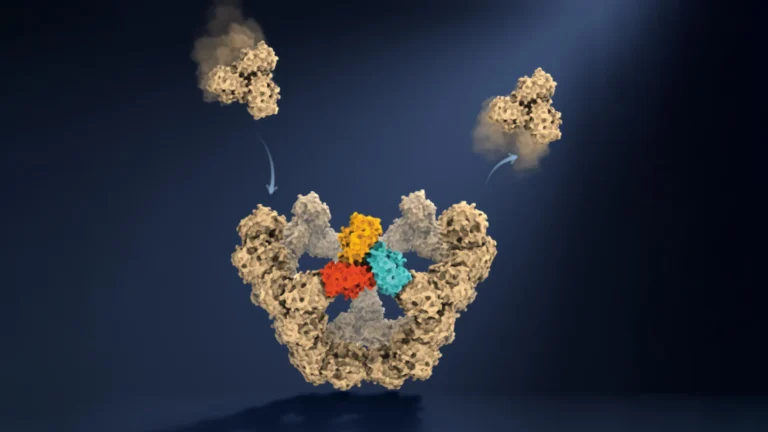
Borrowing from the principles of CAR T-cell therapy—which involves genetically engineering a patient’s own cells to recognize cancer—Dr. Guerriero is developing a CAR-monocyte. Unlike CAR T-cells, which are designed to hunt cancer cells directly, these engineered monocytes are programmed to hunt the macrophages that are shielding the tumor.
"Instead of engineering immune cells to attack cancer cells directly," Dr. Guerriero explains, "we want to remove the suppressive cells standing in the way." Once these macrophages are cleared, the T cells can finally infiltrate the tumor, become activated, and engage in the fight they were designed for.

Supporting Data and Preliminary Success
The efficacy of this approach has already been demonstrated in preclinical models. In mouse studies, the introduction of these engineered monocytes led to:
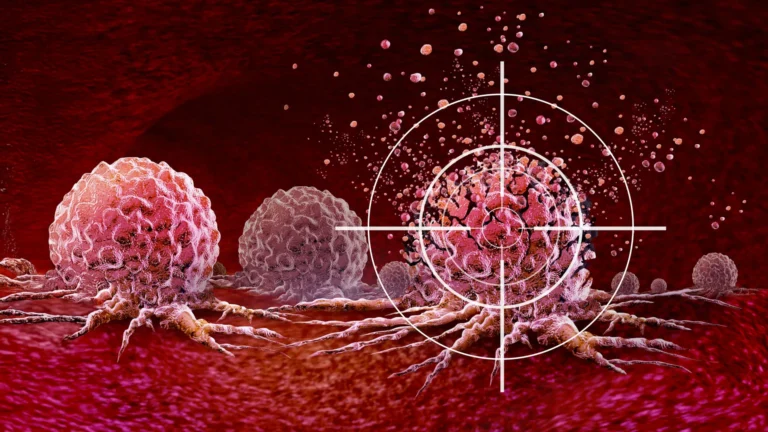
- Significant Tumor Shrinkage: The removal of the macrophage "shield" allowed for a massive influx of endogenous T cells.
- Increased Survival Rates: Mice treated with the therapy showed a marked increase in longevity compared to control groups.
- Stronger T-cell Activation: Post-treatment analysis showed that the T cells within the tumor were no longer in a "dormant" or "exhausted" state, but were actively proliferating and attacking malignant tissue.
With the STAR funding, the next phase of the research involves optimizing the stability of these engineered cells and ensuring they remain effective within the volatile environment of a human tumor.
Official Perspectives: The Value of Risk
The Lloyd J. Old STAR award is specifically designed to support "high-risk, high-reward" research. According to CRI leadership, the traditional grant system often penalizes researchers for pursuing ideas that lack decades of preliminary data. This creates a "valley of death" where brilliant, potentially life-saving ideas wither due to a lack of funding.
Dr. Guerriero is vocal about the necessity of this funding model. "I don’t think I could get it funded through traditional mechanisms because this is truly a first-in-class therapy," she says. "It is absolutely critical that foundations and incredible institutes like CRI can step up to fund these projects that may have the potential to lead to the next breakthrough for immunotherapy."
By providing "flexible" funding, the CRI allows Dr. Guerriero to scale her laboratory, hire specialized staff, and purchase the high-cost materials required to transition from mouse models to human clinical trials.
Implications: A New Era for Solid Tumor Treatment
The implications of Dr. Guerriero’s work extend far beyond breast cancer. Because the immunosuppressive TREM2-positive macrophages are found across a spectrum of solid tumors—including lung, colon, and pancreatic cancers—the platform she is building could eventually be adapted for a wide variety of patients.
Why This Matters
- Overcoming Resistance: One of the greatest challenges in oncology today is primary and acquired resistance to immunotherapy. By targeting the TME (tumor microenvironment) rather than the tumor itself, Dr. Guerriero is attacking the mechanism of resistance.
- A "Living" Drug: Because this therapy utilizes the patient’s own immune system, it represents a move toward personalized, biological medicine that is more precise and potentially less toxic than systemic chemotherapy.
- The Human Element: For a scientist who started her journey asking why her grandmother couldn’t simply take a "pill" for cancer, this research is the culmination of a life’s work. She is moving the field toward a future where "taking a pill" for cancer isn’t just a child’s fantasy, but a targeted, effective clinical reality.
The Future Path
As Dr. Guerriero looks ahead, the focus is clear: she is working toward developing a clinical-grade product that meets the rigorous safety standards required for human trials. While the timeline for such developments is long, the momentum in her lab is palpable.
"I think investing in early- to mid-stage scientists and physicians is critical," Dr. Guerriero concludes. "It’s going to keep the field moving forward. It’s going to help launch the next breakthrough."
By daring to take the risks that others avoid, Dr. Guerriero is not just studying cancer—she is dismantling the barriers to curing it. Her story serves as a reminder that the most profound scientific breakthroughs often begin with the simplest of questions, and that with the right support, those questions can lead to the next generation of life-saving medicine.