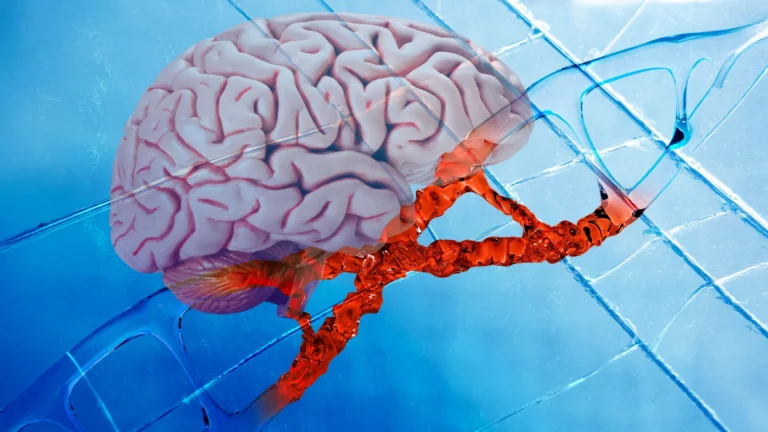








BOULDER, CO & ANTWERP, BELGIUM – Ischemic stroke, a devastating neurological event affecting millions globally each year, occurs when blood flow to the brain is blocked, leading to rapid neuronal death due to oxygen starvation. While advancements in emergency care, particularly clot-busting drugs (thrombolytics) and mechanical clot removal (endovascular thrombectomy), have revolutionized treatment, a perplexing paradox persists: up to 50% of patients fail to achieve full neurological recovery even after the primary obstructive clot is successfully removed. This persistent challenge has long baffled clinicians and researchers, hindering efforts to improve long-term patient outcomes and quality of life.
Now, groundbreaking research from a collaborative team at the University of Colorado Boulder and the University of Antwerp offers a profound explanation for this phenomenon. Their findings, published in the prestigious journal PNAS, reveal an intricate mechanism involving persistent micro-clots driven by the von Willebrand factor protein and exacerbated by inflammatory responses. This discovery sheds crucial light on why many stroke survivors experience continued neurological deficits despite successful initial intervention, potentially paving the way for novel therapeutic strategies.
"We now have a way to explain why so many of these patients are not seeing neurological improvements," stated Debanjan Mukherjee, an assistant professor of mechanical engineering at CU Boulder and a co-author of the study. "Our findings also point to a new potential target for therapeutics that could be extremely impactful for stroke patients." The research marks a significant departure from the long-held "dogma" that simply removing the main clot would resolve all post-stroke complications, ushering in a more nuanced understanding of the brain’s complex recovery process.
The Persistent Enigma of "No Reflow"
The clinical reality of ischemic stroke is stark. Roughly 21,000 individuals worldwide suffer an ischemic stroke every single day, facing an immediate threat of severe disability or death. For those who survive the initial event, the journey to recovery is often arduous and uncertain. While mechanical thrombectomy, a procedure involving threading a catheter through blood vessels to physically extract a clot, has been a game-changer, its efficacy in restoring full neurological function is frequently limited.
Doctors have long observed a phenomenon termed "no reflow," where, even after the primary clot is cleared and the main vessel appears unobstructed, blood flow to the affected brain regions does not fully normalize. This localized reduction or absence of perfusion in previously ischemic tissue, despite reperfusion of the large vessel, has remained one of the most critical and least understood challenges in stroke management. Its occurrence is strongly associated with larger infarct volumes, hemorrhagic transformation, and poorer functional outcomes, directly contributing to the significant proportion of patients who never fully recover.
The mystery surrounding "no reflow" has profound implications for patient care. When blood flow is not adequately restored, brain tissue continues to suffer from oxygen and nutrient deprivation, leading to ongoing neuronal damage and hindering the brain’s capacity for repair and functional reorganization. This continued damage undermines the benefits of successful primary clot removal, transforming what could be a triumph of modern medicine into a partial victory at best.
"The dogma used to be that you just need to get rid of that blood clot and then all problems should be solved," explained Frederik Denorme, an assistant professor of biology at the University of Antwerp and the study’s senior author. "We now know that is not the case." Indeed, current statistics paint a sobering picture: only about 1 in 10 surviving stroke patients recover completely, while 25% experience minor impairments, and a staggering half endure moderate to severe disabilities, often requiring long-term care and significantly impacting their quality of life. Understanding the root causes of "no reflow" is thus not merely an academic pursuit but a critical step toward fundamentally improving the lives of millions affected by stroke.
Chronology of Discovery: A Glimpse Inside the Brain
To unravel the complex mechanisms underlying "no reflow," the interdisciplinary research team embarked on a meticulous investigation, combining advanced imaging techniques with sophisticated computational modeling. Their journey into the microscopic world of post-stroke cerebral blood flow began with real-time observations in living subjects.
The researchers first turned to mouse models of ischemic stroke, a crucial step for visualizing dynamic biological processes. Using a highly specialized technique known as intravital microscopy, they were able to peer directly into the brains of mice in the critical hour following endovascular thrombectomy. This cutting-edge imaging modality allowed them to observe, in unprecedented detail, how blood cells behaved and how blood flowed through the intricate cerebrovascular network after the removal of the main obstructive clot.
What they witnessed was both surprising and revelatory. While blood quickly began flowing again in the main vessels post-procedure, the researchers were "stunned" by the haphazard and erratic nature of its movement within the smaller, downstream microvessels. Instead of a smooth, directed flow, blood often moved in fits and starts, even reversing course at certain points. "We saw it with our own eyes. Blood that was flowing left all of a sudden flowed right and vice versa," recounted Denorme, highlighting the unexpected and chaotic nature of the observed reperfusion. This turbulent, irregular flow pattern was a stark departure from the brain’s normally finely tuned circulatory system and provided the first critical clue to the puzzle of "no reflow."
An even closer examination revealed the genesis of the problem: tiny, persistent clots forming within these microvessels, particularly at points where the irregular blood channels converged. These micro-clots, though individually small, collectively impeded proper perfusion, acting as secondary roadblocks to full blood restoration. This observation directly challenged the prevailing assumption that once the primary blockage was gone, the vascular bed would simply reopen.
To understand why these micro-clots were forming, the team transitioned from biological observation to physical simulation. Mukherjee’s FLOWLab at CU Boulder, renowned for its work on the physics of blood flow, recreated the post-reperfusion scenario using advanced computer simulations. These computational models, building upon previous work that involved 3D artificial brains filled with synthetic blood, allowed the researchers to isolate and analyze the specific fluid dynamics at play. The simulations provided crucial insights, strongly implicating a particular protein as the central culprit: von Willebrand factor (vWF).
The Molecular Architects of Micro-Clotting
The investigation into the formation of persistent micro-clots after primary stroke treatment unveiled a complex interplay between the turbulent forces of blood flow, a crucial protein known as von Willebrand factor, and the body’s inflammatory response. This interaction, the researchers discovered, creates a "perfect storm" that sabotages full neurological recovery.
Von Willebrand Factor: A Double-Edged Sword
At the heart of the micro-clot formation lies von Willebrand factor (vWF), a protein with a dual nature, aptly described as a "Jekyll and Hyde" protein. Normally, vWF plays a vital role in hemostasis, the process of stopping bleeding. When a blood vessel is injured, vWF acts as a molecular adhesive, promoting platelet aggregation and adhesion to the site of injury, forming a plug to prevent blood loss. In its resting state, vWF circulates in the blood in a tightly coiled, globular conformation, much like a compacted ball of string, preventing spontaneous clotting. It only extends into long, thread-like structures when exposed to specific distress signals, such as high shear stress at a site of vascular damage.
However, in the context of post-stroke reperfusion, this protective mechanism appears to backfire. Mukherjee explained that after the removal of a large stroke-causing clot, the sudden restoration of blood flow into previously blocked, and often damaged, microvessels can create significant fluid mechanical stresses—or shear forces—that are abnormally high and turbulent. "If there is some kind of fluid motion induced after the clot is removed, it can stretch out that ball [of vWF] into an extended thread that attracts platelets, forms new clots and blocks flow even after the original culprit clot is gone," Mukherjee elaborated. This mechanical unfolding of vWF exposes multiple binding sites for platelets, triggering a cascade of secondary clotting in the delicate microvasculature. These newly formed micro-clots then act as fresh obstructions, perpetuating the "no reflow" phenomenon.
Inflammation’s Complicit Role
Adding another layer of complexity to this process is the brain’s inherent inflammatory response to ischemic injury. Ischemic stroke not only starves brain tissue of oxygen but also triggers a robust inflammatory reaction as the body attempts to repair the damage and clear cellular debris. While inflammation is a necessary part of healing, in the context of stroke, it can become dysregulated and contribute to further injury.
The study demonstrated that this inflammatory response actively interferes with the natural safeguards that normally keep vWF’s clotting efforts in check. Under healthy conditions, specific enzymes, such as ADAMTS13, regulate vWF activity by cleaving its elongated forms into smaller, less adhesive fragments, thereby preventing excessive clotting. However, the inflammatory milieu present after a stroke appears to impair the function of these regulatory enzymes or promote the release of factors that enhance vWF’s pro-thrombotic activity.
Specifically, the researchers found that elevated levels of pro-inflammatory compounds, such as Interleukin 6 (IL-6), play a critical role. IL-6 is a cytokine known to be significantly upregulated during acute stroke and is associated with poorer outcomes. The study indicated that higher blood levels of IL-6 correlated with more overactive von Willebrand factor and worse long-term patient recovery. This suggests that inflammation doesn’t just contribute to overall brain damage but actively primes the vascular system for secondary micro-clotting by disarming the body’s natural anti-clotting mechanisms and enhancing vWF’s pathological function. The confluence of mechanically induced vWF unfolding and inflammation-driven dysregulation of its control mechanisms thus creates what the authors aptly termed "a perfect storm" of collateral damage, profoundly impacting post-stroke recovery.
From Mice to Humans: Validation and Implications
A crucial aspect of this research was the validation of the findings beyond animal models. To confirm that the mechanisms observed in mice and simulated computationally also occur in human patients, the research team extended their investigation to clinical samples. They analyzed blood from stroke patients at the University of Washington in St. Louis, seeking biomarkers and evidence of similar pathological processes.
These human studies corroborated the findings from the animal and computational models, suggesting that a similar phenomenon of persistent micro-clotting driven by von Willebrand factor and inflammation indeed occurs in humans following an ischemic stroke. The correlation between higher blood levels of Interleukin 6 (IL-6), a key pro-inflammatory cytokine, and increased vWF overactivity in human stroke patients further strengthened the translational relevance of their discoveries. Patients with elevated IL-6 levels were found to have worse long-term neurological outcomes, underscoring the direct clinical impact of these molecular pathways.
"We are the first to really show in this hyperacute phase of stroke what is happening with these cells inside blood vessels," Denorme emphasized, highlighting the novelty and immediate relevance of observing these processes during the critical hours immediately following the stroke and reperfusion. This deep insight into the early post-reperfusion phase is particularly valuable, as it represents a window of opportunity for intervention that was previously obscured by a lack of understanding.
The implications of these findings are far-reaching, impacting not only our fundamental understanding of stroke pathophysiology but also potentially reshaping clinical practice. This research suggests that the current focus solely on macroscopic clot removal is insufficient and that attention must also be paid to the microscopic vascular environment. Identifying the specific roles of vWF and inflammatory mediators like IL-6 provides concrete targets for intervention, shifting the paradigm from merely clearing the initial obstruction to actively managing the subsequent vascular and inflammatory responses.
Furthermore, the study raises important questions for future research, particularly regarding patient stratification. More research is necessary to determine why "no reflow" happens in some stroke patients but not others. Factors such as individual genetic predispositions, pre-existing comorbidities (e.g., hypertension, diabetes), variations in inflammatory profiles, and the specific characteristics of the initial stroke (e.g., location, size of infarct) could all play a role. Understanding these variables will be critical for developing personalized therapeutic strategies that can predict which patients are at highest risk for persistent micro-clotting and "no reflow." This deeper understanding could lead to the development of new diagnostic tools or biomarkers that can identify at-risk patients early, allowing for targeted prophylactic treatments alongside primary clot removal.
Official Responses and Expert Commentary
The publication of this research has been met with significant interest within the neuroscience and vascular biology communities, representing a pivotal moment in stroke research. The collaborative nature of the study, bringing together expertise in mechanical engineering, biology, and clinical medicine, underscores the complexity of stroke and the need for multidisciplinary approaches to tackle its challenges.
From an official standpoint, the findings provide a robust, evidence-based explanation for a long-standing clinical enigma. The clarity with which the study identifies von Willebrand factor and inflammation as key drivers of post-reperfusion micro-clotting offers a concrete pathway for intervention. The researchers’ statements reflect a blend of scientific rigor and clinical optimism, acknowledging the early stage of therapeutic development while emphasizing the profound potential impact.
Dr. Mukherjee’s perspective, rooted in the physics of blood flow, highlights how mechanical forces play a crucial role in biological pathology. "Understanding the fluid dynamics after a stroke is not just an academic exercise; it’s about identifying the physical triggers that turn a protective protein into a detrimental one," he explained in an expanded commentary. "Our computational models allowed us to visualize these forces in a way that would be impossible with traditional biological methods alone, directly connecting the physical environment to molecular events." This integration of engineering principles with biological observation is a hallmark of cutting-edge biomedical research.
Dr. Denorme, from his vantage point as a biologist focused on the aftermath of stroke, articulated the shift in clinical thinking. "For too long, the focus has been solely on the macro-level: getting the big clot out. This research compels us to think micro-level, to understand the intricate dance of cells and proteins that unfolds in the minutes and hours after reperfusion," he stated. "It’s a paradigm shift, recognizing that the battle isn’t over when the main artery is clear; a secondary, equally critical battle is just beginning in the capillaries."
The potential for this research to translate into clinical benefits is particularly exciting. The fact that the study validated its findings in human blood samples provides strong evidence for its clinical relevance. This collaborative work between institutions across continents also serves as a model for how complex medical challenges can be addressed through shared scientific endeavor. The "official response," therefore, is one of cautious optimism and a renewed sense of direction in the pursuit of more effective stroke treatments.
A New Horizon for Stroke Therapeutics
The identification of von Willebrand factor (vWF) and specific inflammatory compounds as key players in post-stroke micro-clotting opens a promising new avenue for therapeutic development, offering a beacon of hope for improving recovery rates. The researchers envision a future where targeted interventions could be administered to stroke patients alongside the current standard of care, such as clot-busting drugs and mechanical thrombectomy.
One of the most compelling aspects of this discovery is the potential to leverage existing pharmacological agents. "Notably, several such drugs already exist and are approved for use for other disorders," the researchers point out. This significantly accelerates the translational potential of their findings. Instead of starting from scratch with drug discovery, which is a lengthy and costly process, pharmaceutical companies could potentially repurpose or re-evaluate drugs that are already known to modulate vWF activity or dampen specific inflammatory pathways.
For instance, drugs that inhibit vWF function or interfere with its interaction with platelets are already used in certain hematological disorders. Similarly, a wide array of anti-inflammatory drugs exist, some of which target specific cytokines like Interleukin 6. While these drugs would need rigorous testing in the context of acute ischemic stroke to ensure efficacy and safety, their pre-existing clinical profiles could significantly expedite their journey through clinical trials.
The therapeutic strategy would likely involve a multi-pronged approach:
- Targeting vWF directly: Developing or repurposing drugs that stabilize vWF in its coiled, inactive state, or that interfere with its ability to bind platelets once unfolded.
- Modulating inflammation: Utilizing anti-inflammatory agents to suppress the overactive immune response that exacerbates vWF activity and contributes to tissue damage. This could involve drugs specifically targeting IL-6 or broader anti-inflammatory pathways that impact vWF regulation.
However, the researchers are also quick to emphasize that this is "early days." While the prospects are exciting, significant work remains. Future research will need to:
- Identify optimal timing and dosing: When should these therapeutics be administered in relation to the primary clot removal? What are the safe and effective dosages?
- Assess combination therapies: How do these new agents interact with existing stroke treatments? Can they be safely combined without increasing risks like hemorrhagic transformation?
- Stratify patient populations: As mentioned earlier, understanding which patients are most likely to benefit from these targeted therapies is crucial for personalized medicine.
- Conduct large-scale clinical trials: Rigorous trials will be necessary to prove the safety and efficacy of these new approaches in human patients.
"It’s early days. But now that we have a lead on what drives these micro-clots, we have a promising new avenue to explore for improving recovery," concluded Denorme. This optimism is well-founded, as the research offers a tangible, mechanistic explanation for a critical unmet need in stroke care. By addressing the "no reflow" phenomenon, this work holds the potential to significantly enhance the effectiveness of current stroke interventions, ultimately leading to better neurological outcomes, reduced disability, and improved quality of life for countless stroke survivors worldwide. The journey from discovery to clinical application is long, but this groundbreaking research has laid a strong foundation for a new era in stroke treatment.