







Published: November 3, 2026
In the modern professional landscape, the "eight-hour workday" has increasingly become synonymous with the "eight-hour sit." As the digital age accelerates, office workers, remote professionals, and creative freelancers find themselves tethered to their workstations for the vast majority of their waking hours. While the convenience of the contemporary office environment is undeniable, the physical cost of prolonged sedentary behavior is becoming a public health focal point.
Physical therapists and ergonomic experts have long warned of "tech neck," rounded shoulders, and lumbar strain—conditions collectively known as Deskbound Syndrome. Yet, for many, the traditional solution—a dedicated hour at a gym before or after work—is often rendered impossible by the realities of childcare, long commutes, and the mental fatigue that follows a high-stakes workday.
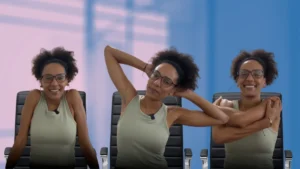
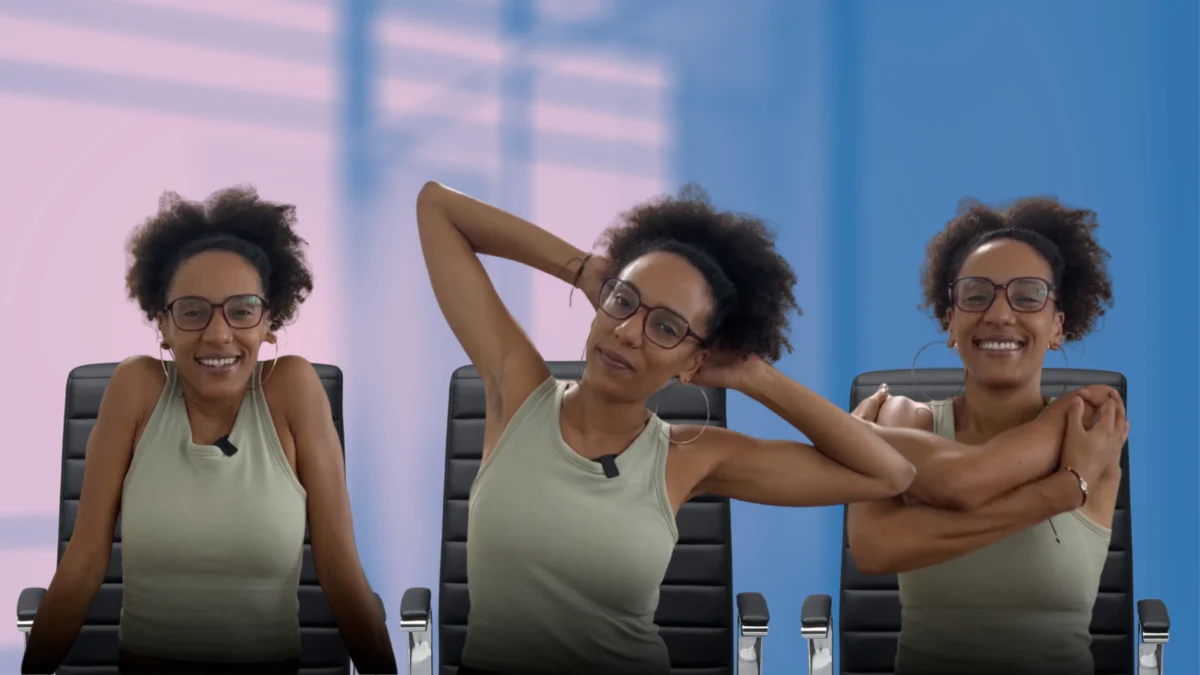
Laia Bové, a veteran yoga instructor with over a decade of experience in movement science, has developed a revolutionary approach: The 7-Minute Desk Reset. This sequence is not intended to replace a full yoga practice, but rather to function as a therapeutic intervention designed to be performed in situ. By integrating these micro-movements directly into the workday, employees can dismantle the cumulative tension that typically leads to chronic pain and burnout.
The Chronology of Sedentary Strain
To understand why a seven-minute practice is effective, one must look at the physiological timeline of a typical work session.
- The 60-Minute Threshold: Research into postural health indicates that after just one hour of static sitting, the muscles in the lower back begin to lose their structural engagement, shifting the burden of support onto the spinal discs.
- The 180-Minute Plateau: By the three-hour mark, blood flow to the lower extremities begins to slow significantly, leading to the sensation of "heavy legs" and the onset of shallow breathing patterns.
- The 480-Minute (End-of-Day) Crisis: By the end of a standard shift, the trapezius muscles—which span the neck and upper back—are often locked in a state of high-alert contraction. This creates a feedback loop: the body experiences physical pain, which triggers a psychological stress response, which in turn leads to shallower, more erratic breathing.
Bové’s sequence is strategically designed to interrupt this cycle. By providing a "reset" at the midway point of the morning and again in the afternoon, the user prevents the body from ever reaching the "Crisis" stage of muscle fatigue.
Supporting Data: Why "Micro-Yoga" Matters
The efficacy of Bové’s method is supported by the growing body of research surrounding "Micro-breaks." According to a 2025 study published in the Journal of Occupational Health and Wellbeing, employees who engaged in structured, short-burst stretching sessions during office hours reported a 35% reduction in self-reported neck and shoulder pain compared to their counterparts who engaged in only a single, longer exercise session post-work.
Furthermore, the psychological implications are equally significant. The brain operates on a rhythm of focus known as the "Ultradian Rhythm," which typically requires a shift in cognitive load every 90 to 120 minutes. Bové’s seven-minute sequence acts as a "cognitive palate cleanser." By forcing the brain to focus on the kinesthetic sensation of the body—the stretch in the neck or the rotation of the elbows—the individual effectively disengages from the immediate demands of their inbox, allowing the prefrontal cortex to reset.
Official Guidelines: The 7-Minute Sequence
Bové emphasizes that this practice requires zero equipment and no special clothing. The goal is accessibility. Whether you are in a high-rise office or a home workspace, these movements can be performed between Zoom calls or while awaiting a file download.
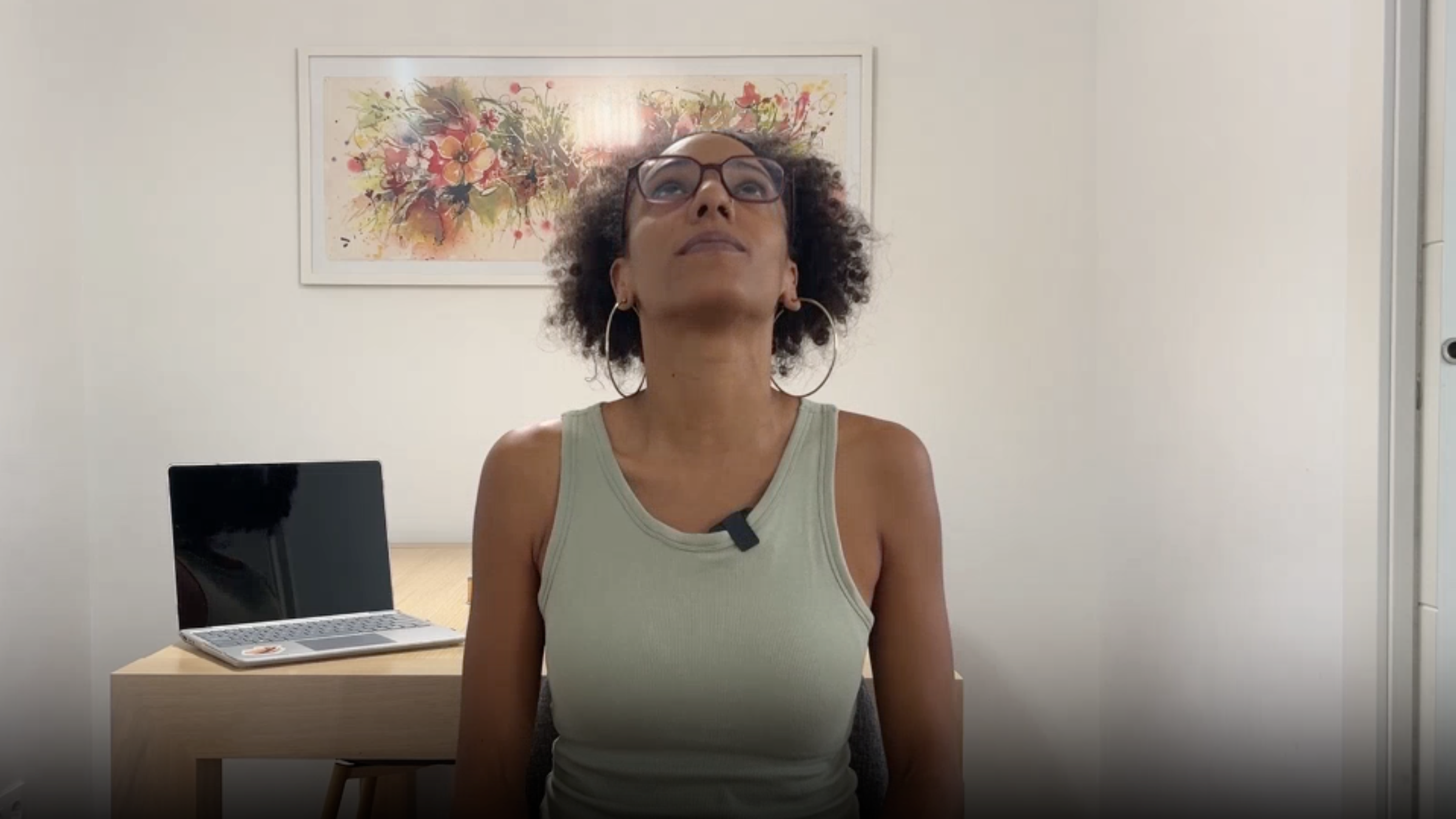
1. The Cervical Reset (Neck Stretches)
The neck is the primary victim of screen-gazing. By planting the feet firmly, you create a stable foundation. The movement begins with simple flexion and extension—lowering the chin and lifting it—to mobilize the cervical spine. By adding the lateral rotation (drawing the nose toward the shoulder), you target the levator scapulae, the muscle most frequently associated with the "office knot."
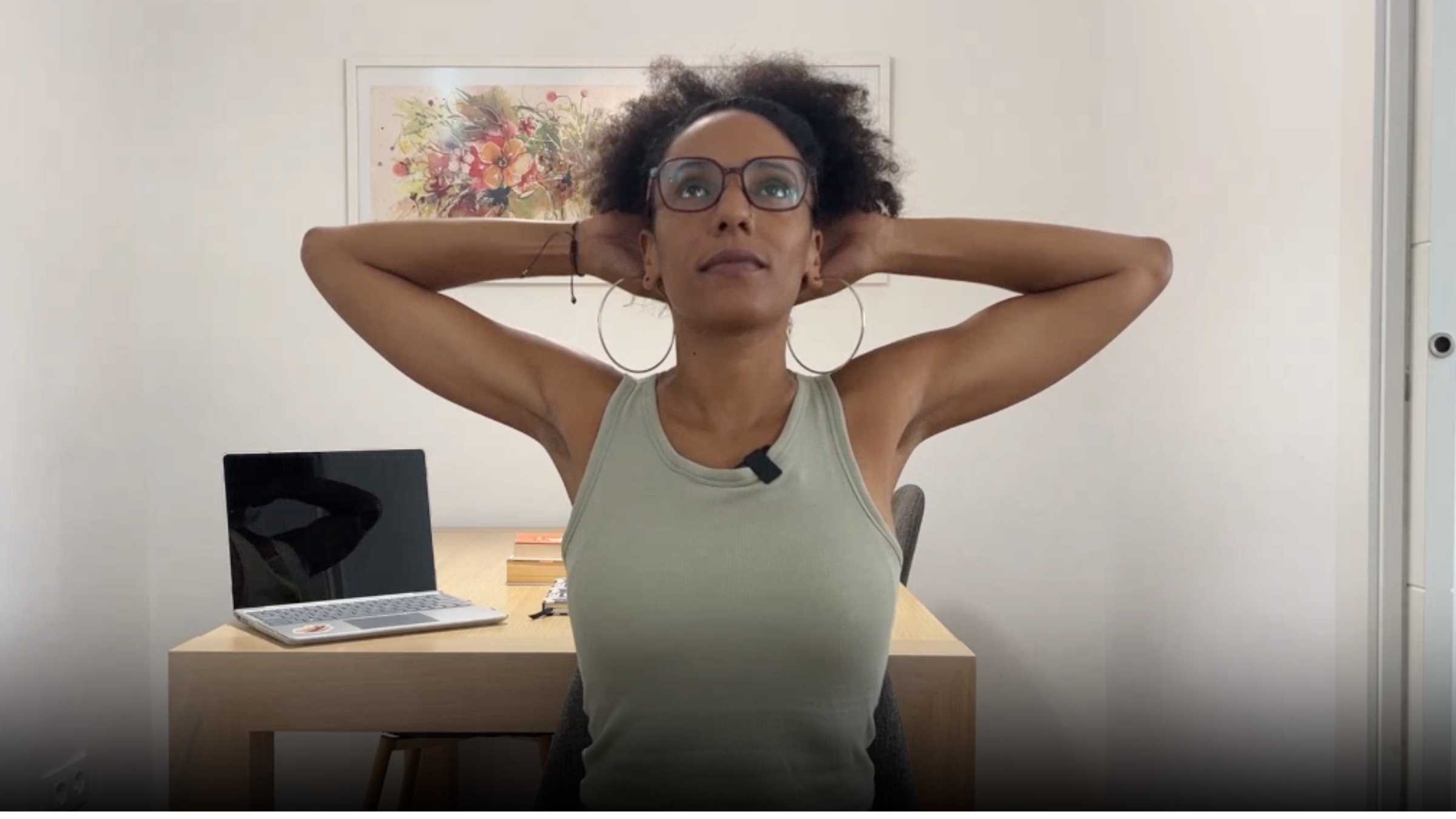
2. Seated Cat-Cow Variation
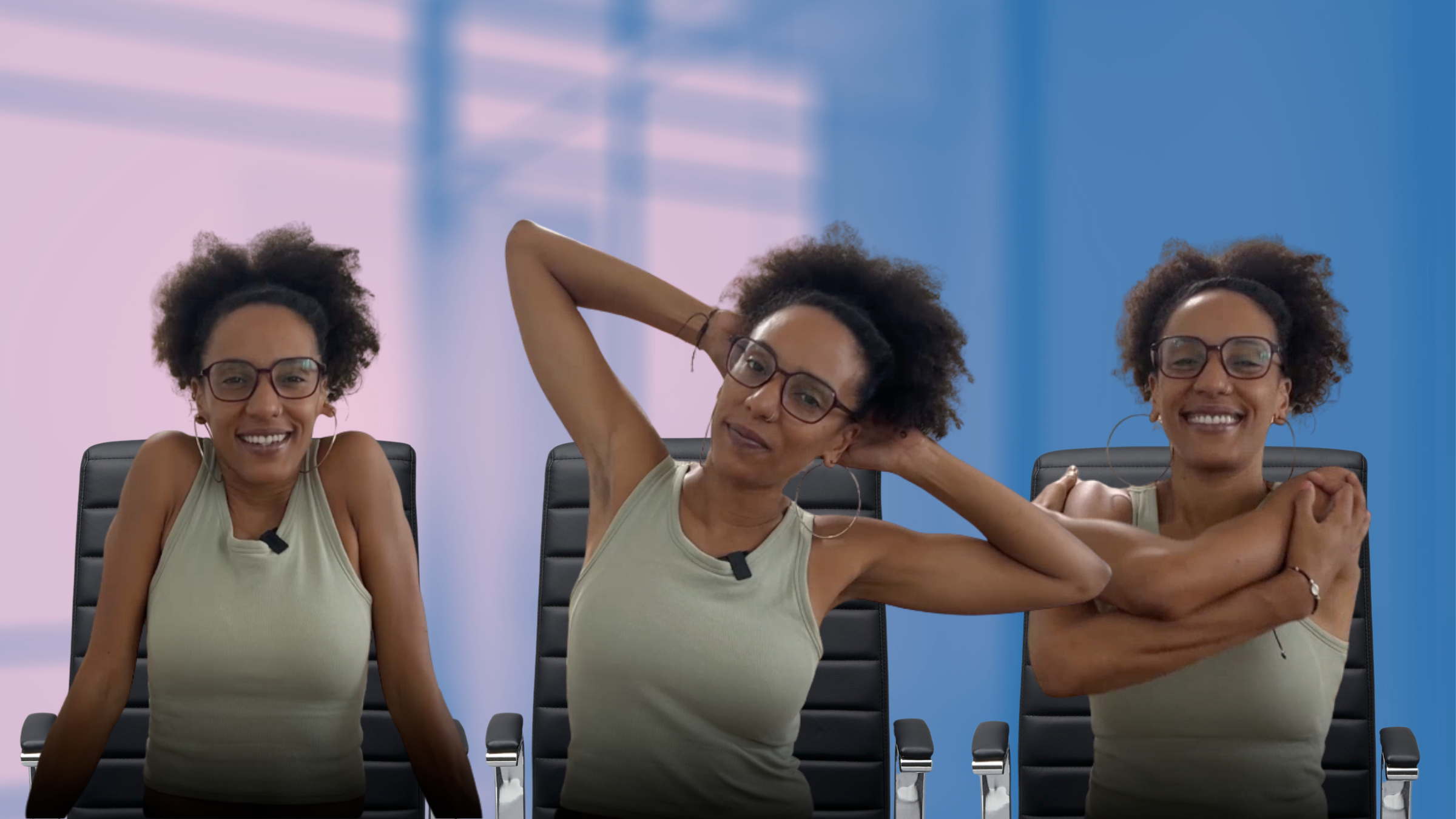
Traditional yoga poses are often floor-based, but the seated adaptation of Cat-Cow allows for spinal articulation without the need for a mat. By clasping hands behind the head, the practitioner creates a "frame" for the upper body, encouraging the chest to open (Cow) and the spine to round (Cat), effectively massaging the vertebrae that are typically compressed during typing.
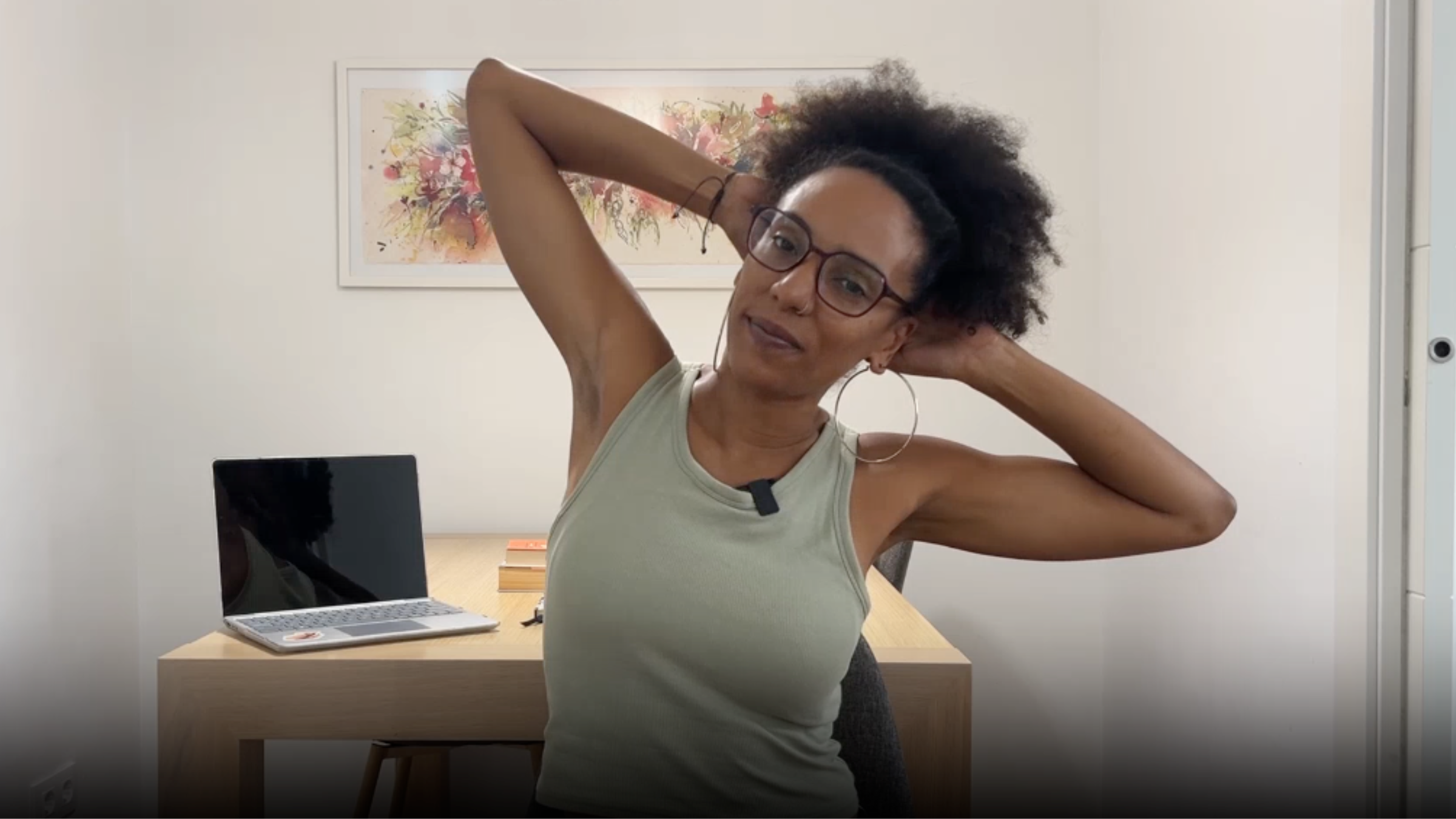
3. Lateral Spinal Decompression
The side stretch targets the intercostal muscles between the ribs. When we sit hunched over, our ability to take deep, full breaths is restricted by our compressed ribcage. Lateral bending creates space, allowing for deeper diaphragm engagement, which is essential for managing workplace anxiety.
4. Scapular Mobility (Elbow Circles)
Elbow circles function as a lubricant for the rotator cuff. By moving the elbows in wide arcs, you engage the shoulder blades, ensuring they remain mobile rather than glued to the ribcage. This movement is particularly useful for those who spend hours with their hands in a fixed position on a keyboard or mouse.
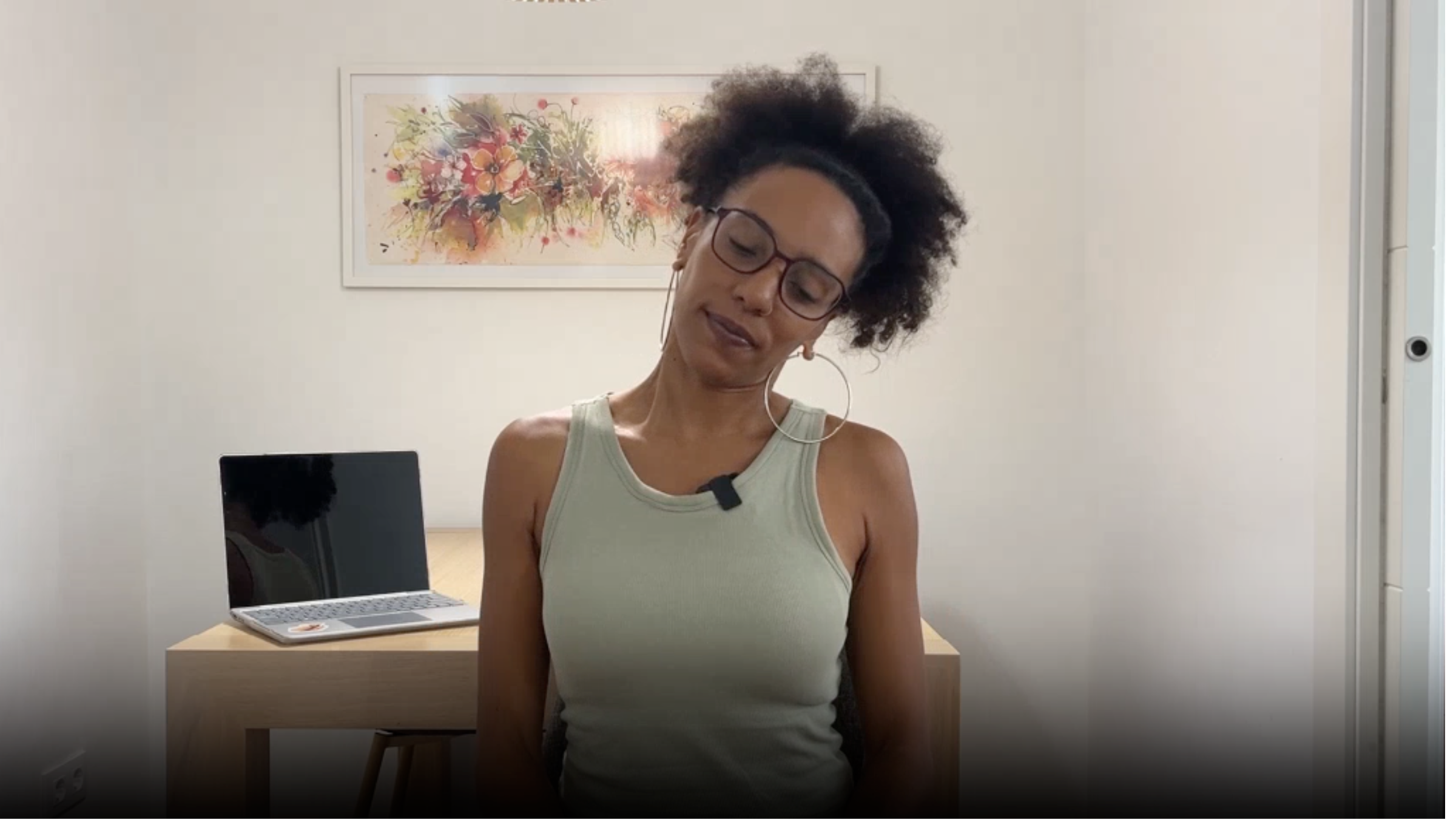
5. Deep Cervical Release (Head Tilts)
While the initial neck stretches addressed rotational tension, the head tilts focus on the lateral flexion of the neck. Drawing the ear toward the shoulder provides a deep, targeted stretch to the sternocleidomastoid and upper trapezius.
6. The "Eagle" Hug (Eagle Arms Variation)
This variation is as much emotional as it is physical. By crossing the arms and hugging the shoulders, the practitioner creates a sensation of self-support. Physically, this stretches the rhomboids—the muscles between the shoulder blades that are chronically overstretched and weak in desk workers.
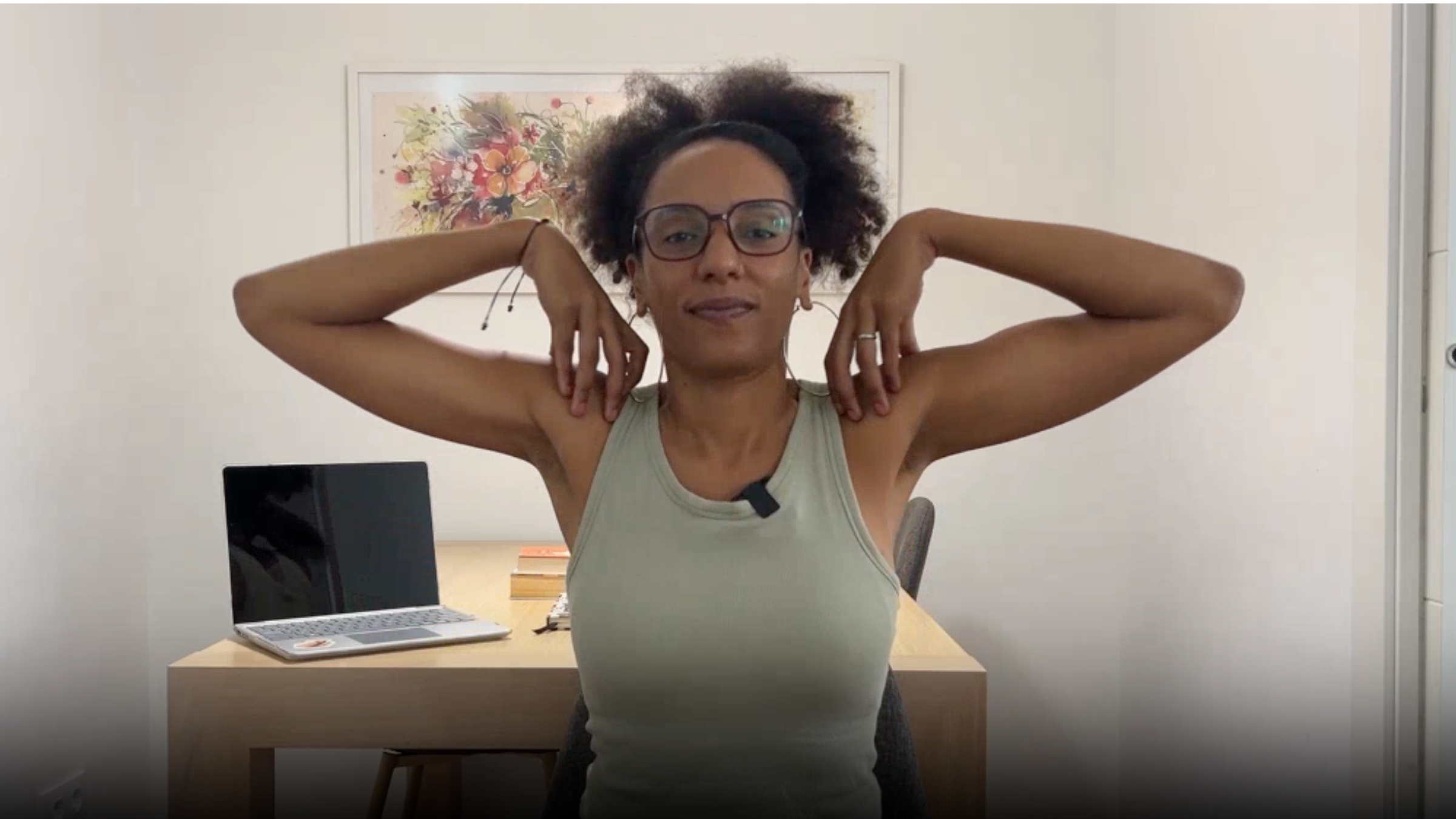
7. The Final Decompression (Shoulder Squeeze)
The final step is an intentional release. By consciously elevating the shoulders to the ears and then dropping them with an audible exhale, you are triggering the parasympathetic nervous system. It is a physical "surrender," signaling to the body that the period of high-intensity stress is temporarily paused.
Implications for Workplace Culture
The implications of adopting such a practice extend far beyond individual health. As corporations grapple with the challenges of hybrid work and employee retention, the "wellness-at-the-desk" movement presents a low-cost, high-impact solution.
"We are moving away from the era where wellness is something you do after you finish your work," says Bové. "We are entering an era where wellness is the fuel for the work itself."
For managers, encouraging these seven-minute intervals can lead to increased productivity, as employees return to their tasks with higher levels of concentration and reduced physical distraction. For the individual, it represents a reclaiming of the body from the constraints of the chair.
As we look toward the future of work, the integration of these micro-movements serves as a reminder that the human body was never designed to remain stagnant. By dedicating just seven minutes to the deliberate movement of our joints and muscles, we do not just alleviate pain—we preserve the longevity of our careers and our well-being.
The next time you find yourself staring at a cursor, hunched and shallow-breathing, remember: the chair is not a prison. With seven minutes and a bit of intention, it can become a space for restoration.