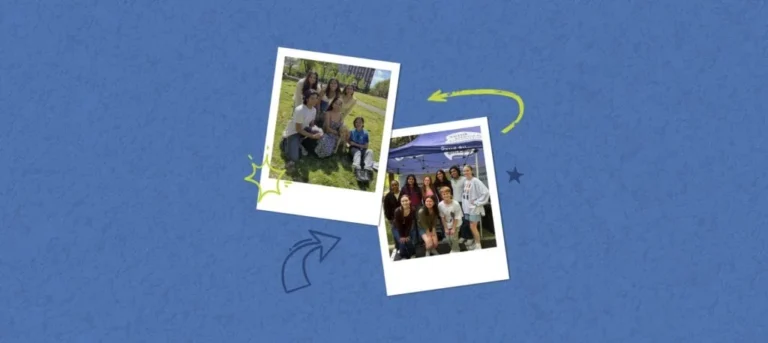








WASHINGTON, D.C. — As the final weeks of August 2025 unfold, the transition from the sweltering heat of summer to the crisp anticipation of the fall academic semester marks a pivotal moment for the next generation of mental health advocates. At Active Minds, the nation’s leading nonprofit organization dedicated to promoting mental health for young adults, this transition is being marked by a celebration of its Summer 2025 intern cohort.
These seven individuals, hailing from diverse academic backgrounds and prestigious institutions across the United States, have spent the last three months embedded within the core operations of the organization. From marketing and digital media to measurement and workforce development, the interns have not only contributed to the organization’s mission but have also emerged as thought leaders on how to integrate mental wellness into a demanding professional and academic lifestyle.
Main Facts: A Diverse Cohort Driving Systemic Change
The Summer 2025 internship program at Active Minds was designed to be more than a standard professional development opportunity. It served as a laboratory for the "Active Minds" philosophy: that mental health is as essential as physical health and that young people are the most effective messengers for this cause.
The cohort represents a cross-section of modern academia, featuring students from the University of Washington, Boston University, Virginia Commonwealth University, the University of Delaware, North Carolina A&T State University, Purdue University, and Northwestern University. Their areas of study—ranging from Epidemiology and Cognitive Science to Education Policy and Public Relations—reflect the multidisciplinary approach required to tackle the modern mental health crisis.
The primary objective of this summer’s program was to provide these students with hands-on experience in non-profit management while soliciting their unique perspectives on the "loneliness epidemic," digital burnout, and the systemic barriers to healthcare.
Chronology: From Summer Integration to Fall Transition
The journey of the 2025 cohort began in early June, a period characterized by rapid onboarding and immediate immersion into Active Minds’ national campaigns.
- June 2025: Onboarding and Objective Setting. Interns were paired with departmental mentors to align their academic interests with organizational needs. For instance, Chigozie Okuagu, a Measurement Intern with a background in Epidemiology from Boston University, began applying biostatistical models to evaluate the efficacy of campus-based mental health programs.
- July 2025: The Mid-Summer Peak. As national conversations around youth mental health intensified during the summer months, the interns took the lead on several digital initiatives. Ally Phan (Marketing) and Niki Sivasankaravel (Social Media) worked to bridge the gap between high-level policy advocacy and relatable, grassroots digital content.
- August 2025: Reflection and Hand-off. As the program concludes, the interns are preparing to return to their respective universities. This period is marked by "exit reflections," where the interns share their strategies for maintaining the mental health gains they achieved during the summer as they re-enter the high-pressure environment of the fall semester.
Supporting Data: The Context of Youth Mental Health in 2025
The work of these interns is set against a sobering backdrop of national mental health statistics. According to 2024-2025 data, nearly 60% of college students report experiencing "overwhelming anxiety," while one in three students has been diagnosed with a mental health condition at some point during their academic career.
Furthermore, the "digital fatigue" cited by several interns is backed by emerging research. Studies in early 2025 suggest that "passive tech consumption"—or doomscrolling—is directly correlated with higher cortisol levels and disrupted sleep patterns among Gen Z.
Active Minds’ decision to empower interns in roles like "Workforce Development" and "Operations" reflects a strategic shift in the mental health sector. It is no longer enough to provide crisis intervention; the focus has shifted toward "upstream" prevention—creating environments in workplaces and schools where mental health is a foundational priority rather than an afterthought.
Official Responses: Insights from the 2025 Interns
To understand the impact of the program, Active Minds conducted a series of interviews with the cohort, focusing on their personal wellness strategies and their visions for a more empathetic world.
On Digital Boundaries and "Offline" Rest
Ally Phan, a Business and Education Policy major at the University of Washington, emphasized the need for a digital detox. "Something that I want to prioritize as we head into the fall is taking time to be offline," Phan stated. She challenged the modern notion of relaxation, noting that social media scrolling is often a "rest" trap. "Nothing about doomscrolling and passive tech consumption is restful. Being intentional about when and where I am using my phone… will be key to my mental well-being."
On the Epidemiology of Community
Chigozie Okuagu, who studied Epidemiology and Biostatistics at Boston University, highlighted the intersection of physical movement and mental clarity. She noted the "guilt" often associated with taking time for oneself during busy semesters. "Recognizing that I don’t have to feel guilty for taking 45 minutes to myself… will be how I prioritize my mental health," Okuagu explained. Looking forward, she envisions a world where community replaces social isolation. "When mental health is not prioritized, people feel obligated to carry their burdens alone… which contributes to high rates of social isolation despite social media."
On Empathy and Systemic Equity
Ginger McFadden, a Clinical Social Work student at VCU, brought a focus on "Workforce Development." Her vision for the future is rooted in radical empathy. "Leading with empathy and compassion could make a monumental difference in bridging accessibility gaps," McFadden said. She also connected mental well-being to tangible resources, arguing that eliminating food deserts is a mental health imperative. "Access to quality food is essential for success, and hunger… should not exist."
On Normalizing "Mental Health Days"
Bella Andres, an Operations Intern from the University of Delaware, spoke to the necessity of structural changes in schools and workplaces. "I would hope to see workplaces and schools become forgiving of people needing rest days," Andres said. She argued that "mental health days" should be as normalized as sick days for physical ailments, allowing individuals to return to their work performing at their best.
On Intentional Boundaries and Housing
Jada Webb, a Public Relations Intern from North Carolina A&T, plans to use "intentional boundaries" to navigate her fall semester. Her long-term vision involves solving the housing crisis. "With unlimited resources, I would make sure everyone alive had a roof over their heads," Webb stated, noting that housing instability creates profound mental and physical limitations.
On Health Equity and Global Perspectives
Niki Sivasankaravel, a Psychology graduate from Purdue heading to UChicago Booth, and Samira Nur, a Cognitive Science major at Northwestern, both emphasized the need for equity. Sivasankaravel highlighted the lack of affordability in the current healthcare system, while Nur envisioned a future where mental health care is "treated as a normal part of daily life," devoid of any lingering stigma.
Implications: The Shift Toward Proactive Wellness
The reflections of the Summer 2025 cohort suggest a significant shift in how the next generation of professionals views the "work-life" balance. There is a moving away from the "hustle culture" that dominated the 2010s and a move toward what the interns call "non-negotiable self-care."
1. The Death of "Hustle Culture"
The interns’ focus on "non-negotiable" time for exercise, guitar, or simply being offline suggests that the future workforce will demand more than just a competitive salary. They will demand an organizational culture that respects personal boundaries. For employers, this means that "Workforce Development"—the department Ginger McFadden served in—will become a critical pillar of corporate strategy.
2. Mental Health as a Human Right
The interns consistently linked mental health to broader social issues, such as housing (Webb), food security (McFadden), and healthcare equity (Sivasankaravel). This indicates that the mental health advocacy of the future will be deeply intersectional. Advocates will no longer view mental health in a vacuum but as a result of social, economic, and environmental factors.
3. The Role of Community in Combating Loneliness
Chigozie Okuagu’s insight into the "high rates of social isolation" despite digital connectivity serves as a warning for educational institutions. As students return to campus this fall, the "community building" mentioned by the interns will be essential to mitigating the loneliness epidemic that has plagued young adults post-pandemic.
Conclusion: A Legacy of Advocacy
As Ally Phan prepares for her hike at Mt. Rainier and Samira Nur catches her last summer sunrise on the beach, the impact of their summer at Active Minds remains. These seven interns are not merely finishing a summer job; they are carrying a new set of "non-negotiable" values into the world’s most prestigious universities and future boardrooms.
The Summer 2025 cohort has demonstrated that while the challenges facing youth mental health are significant, the solutions are being forged by those most affected. By prioritizing digital boundaries, advocating for systemic equity, and fostering community, these interns are not just preparing for the fall—they are architecting a future where mental health is finally given the priority it deserves.