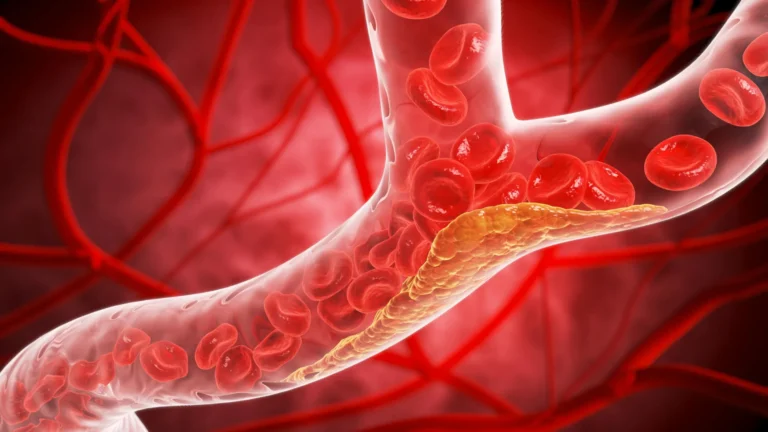










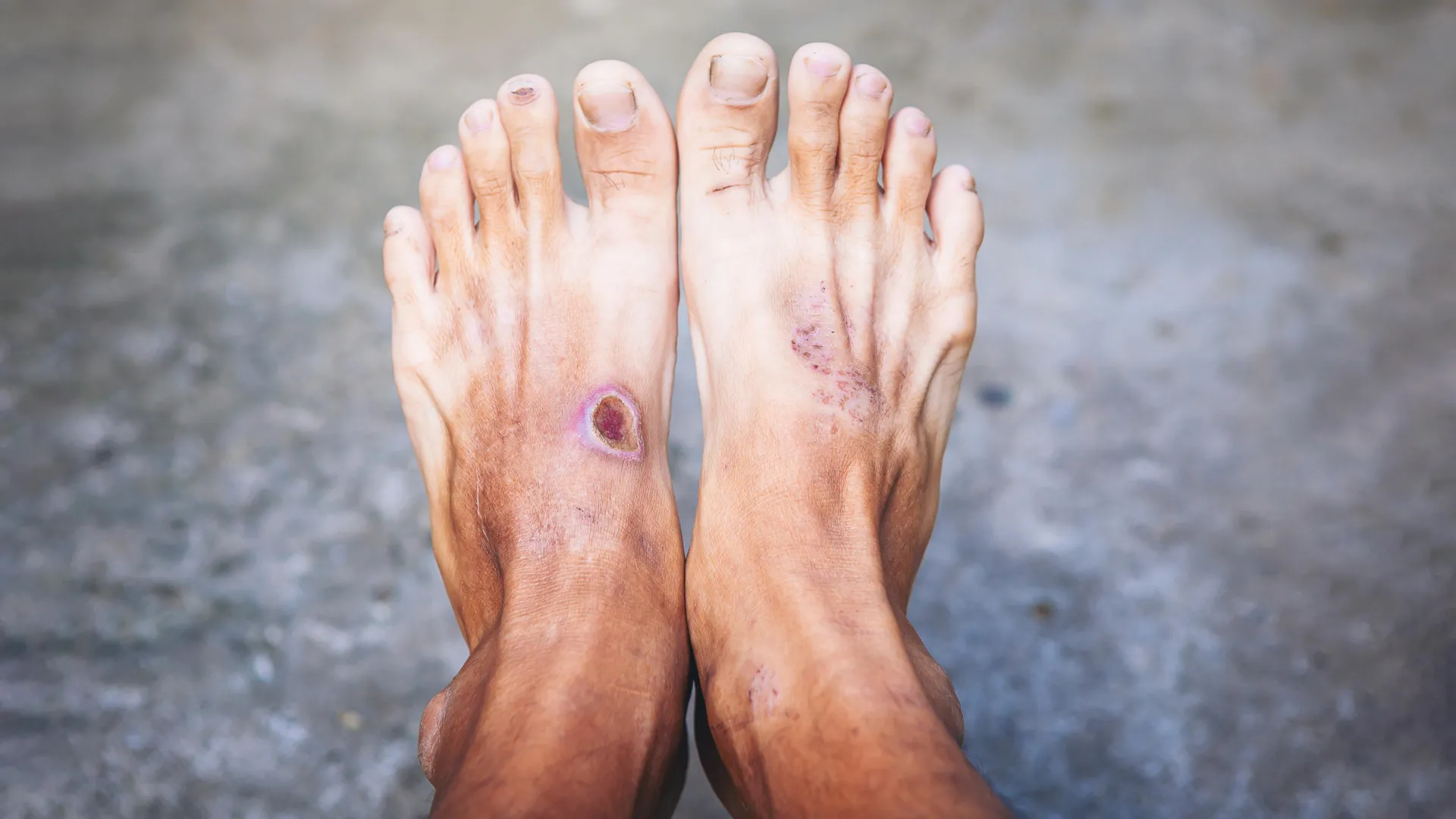
Chronic diabetic ulcers represent one of the most formidable challenges in modern clinical medicine. These persistent, non-healing wounds affect more than 131 million people globally, imposing a staggering economic burden of approximately $755 billion in annual healthcare costs. Beyond the financial impact, these ulcers represent a significant threat to quality of life, carrying a high risk of life-altering amputations and increased mortality rates. For decades, clinicians have struggled to manage these wounds, but a paradigm shift is occurring: researchers are moving away from treating the wound as a static injury and toward viewing it as a breakdown in the temporal orchestration of the immune system.
A comprehensive review led by Yi Ru and colleagues has synthesized the latest evidence on how immune cell populations—from monocytes and macrophages to T cells and B cells—fail to navigate the complex journey of tissue repair in diabetic patients. This analysis provides a roadmap for the next generation of precision medicine.
The Immune Orchestration of Healing
Healing is a finely tuned symphony. When skin is damaged, the body initiates a sequential response: hemostasis, inflammation, proliferation, and finally, remodeling. In a healthy individual, this process is self-limiting. Immune cells arrive, perform their specific duties, and exit or transition to a repair-oriented state. In the diabetic environment, however, this sequence is catastrophically disrupted.
The recent review highlights that the "stalemate" in diabetic wound healing is not caused by a single rogue cell type, but by a systemic failure in the timing and transition of multiple immune populations.
The Macrophage Polarization Paradox
The most critical actors in this drama are monocytes and macrophages. In a healthy wound, monocytes infiltrate the site and differentiate into macrophages, which initially adopt an "M1" pro-inflammatory state to clear debris and bacteria. As the wound progresses, these cells should transition to an "M2" pro-reparative state to encourage tissue growth.
In diabetic wounds, this "polarization" is stuck. Macrophages become locked in a pro-inflammatory M1 phenotype, creating a feedback loop of chronic inflammation that actively prevents the wound from moving into the proliferative phase. This persistence of inflammatory signaling keeps the wound trapped in a perpetual state of damage, effectively turning the body’s own defense mechanism against the healing process.
Chronology of Cellular Dysfunction: A Breakdown of Roles
To understand why diabetic wounds resist healing, one must look at the chronology of the immune response.
Phase 1: The Inflammatory Vanguard
Neutrophils are the first responders, arriving within minutes of an injury. While they are essential for initial pathogen defense, their behavior in diabetic patients is poorly regulated. The study notes that neutrophils in diabetic wounds often form "neutrophil extracellular traps" (NETs)—web-like structures meant to snare bacteria. When overproduced, these traps release excessive proteases and reactive oxygen species, causing collateral damage to the surrounding healthy tissue.
Similarly, mast cells—which release histamine and growth factors to regulate blood flow—exhibit aberrant degranulation. Instead of promoting controlled vessel permeability, their excessive activation maintains the chronic inflammatory state, keeping the wound in a state of high-stress instability.
Phase 2: The Failure of Cleanup
As the wound progresses, dendritic cells (DCs) are responsible for bridging the innate and adaptive immune systems. A key discovery mentioned in the review is the impaired "efferocytosis"—the process by which DCs and macrophages clear away apoptotic (dead) cells. In diabetic patients, this cleanup crew is underperforming. Reduced activity of the SLC7A11 transporter appears to be a culprit, leading to an accumulation of cellular debris. This debris acts as a persistent alarm signal, ensuring the immune system never receives the "all clear" to move on to the repair phase.
Phase 3: The Adaptive Mismatch
T cells and B cells, often considered the secondary responders, are also found to be misfiring. Regulatory T cells (Tregs), which are supposed to put a "brake" on excessive inflammation, are found in fewer numbers and with diminished function in diabetic ulcers. Without these brakes, inflammation spirals. Furthermore, specialized dendritic epidermal T cells—which produce growth factors like IGF-1 to help skin cells multiply—show reduced cytokine production, effectively starving the wound of the signals required to close the gap.
Supporting Data: Why Current Treatments Fall Short
The sheer scale of the financial and human cost associated with diabetic ulcers is a direct consequence of our reliance on broad-spectrum treatments. Most current standards of care—such as offloading, wound dressings, and debridement—are mechanical rather than biological. They address the environment of the wound but fail to "reprogram" the dysfunctional immune cells residing within it.
The review points to several clinical observations that underscore the need for change:
- Persistent Cytokine Signaling: Diabetic wounds exhibit a sustained elevation of pro-inflammatory cytokines, even when no infection is present.
- Metabolic Interference: The systemic metabolic state of diabetes—characterized by high blood glucose—directly impacts the intracellular signaling pathways of leukocytes, inhibiting their transition from M1 to M2 phenotypes.
- Inadequate Angiogenesis: While natural killer (NK) cells should assist in forming new blood vessels, their crosstalk with other immune cells is disrupted in diabetic environments, leading to poor vascularization of the granulation tissue.
Implications for Future Therapeutics
The findings of Yi Ru and colleagues suggest that the future of wound care lies in "immune reprogramming." Rather than simply covering the wound, the goal is to intervene in the biological timeline of the healing process.
Emerging Therapeutic Avenues
- Topical Anti-Cytokine Biologics: By disrupting the persistent inflammatory signals, these agents can help "reset" the wound environment, forcing the transition out of the pro-inflammatory phase.
- Mesenchymal Stem Cell (MSC) Therapy: MSCs and their derived extracellular vesicles offer a dual benefit: they provide a source of growth factors and act as potent immunomodulators, helping to shift macrophages toward the M2 repair state.
- Advanced Biomaterials: Smart dressings are being engineered to act as drug-delivery systems, releasing immune-modifying agents in response to the specific chemical cues of the wound bed.
- IL-15 Superagonists: These are being explored to boost the activity of dendritic epidermal T cells, potentially jumpstarting the growth factor production required for re-epithelialization.
The Imperative of Personalized Timing
Perhaps the most significant takeaway from this research is the realization that timing is everything.
The immune environment of a wound is highly dynamic. A therapy that is highly effective during the inflammatory phase—such as an anti-inflammatory drug—could actually be detrimental if applied during the remodeling phase, where some inflammation is necessary for matrix organization.
This suggests that the "one-size-fits-all" approach to diabetic ulcers is obsolete. The next generation of clinical practice will likely involve "immune profiling"—a process where clinicians analyze the specific immune cell composition of a patient’s wound at a given moment to determine the most effective intervention.
Moving Toward Combination Therapy
The review concludes that because multiple immune cell populations are affected simultaneously, single-target treatments are unlikely to be sufficient. Future research is pivoting toward combination therapies—for instance, pairing an agent that promotes M2 macrophage polarization with a growth factor delivery system that supports T-cell activity.
Official Perspective and Clinical Outlook
The academic community is responding to these findings with a call for more rigorous, mechanism-based clinical trials. While many of these therapies have shown promise in randomized clinical trials or preclinical models, the challenge remains in translating these results to the complex, heterogenous patient population found in real-world hospitals.
"Understanding the interaction between these immune cells is the final piece of the puzzle," the authors note. By shifting the clinical focus from simply removing dead tissue to actively managing the biological "dialogue" between immune cells, healthcare providers can finally move toward a solution for a condition that has plagued humanity for centuries.
As we refine our ability to manipulate the immune system with precision, the prospect of turning chronic, non-healing ulcers into manageable, acute injuries is no longer a distant hope—it is the next frontier of diabetic care. Through the combination of molecular diagnostics, smart biomaterials, and temporally-aware therapies, the goal of reducing the $755 billion global burden and preventing the devastating reality of amputation is becoming increasingly tangible.