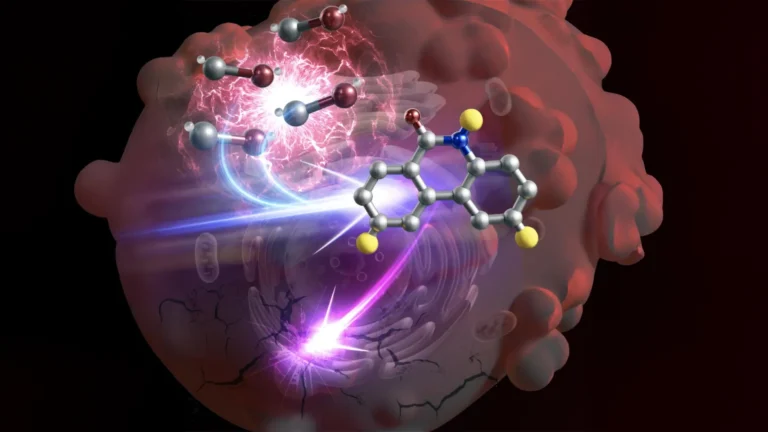







While modern medicine has made extraordinary strides in managing chronic inflammatory conditions—such as rheumatoid arthritis—the drugs designed to bring relief often come with complex biological trade-offs. A groundbreaking study conducted by researchers at the Norwegian University of Science and Technology (NTNU) has unveiled a concerning mechanism: a widely utilized class of anti-inflammatory medications may inadvertently lower the body’s natural defenses, creating a "path of least resistance" for a variety of dangerous viruses to infect cells and propagate throughout the human body.
The study, published in the journal NAR Molecular Medicine, challenges the clinical status quo surrounding Janus kinase (JAK) inhibitors, urging both the medical community and patients to re-evaluate the risk-benefit profile of these drugs during periods of high viral circulation.
Main Facts: The Hidden Vulnerability
At the heart of the research are JAK inhibitors, a class of drugs frequently prescribed to dampen an overactive immune system. Conditions like rheumatoid arthritis, inflammatory bowel disease, and certain skin conditions rely on these medications to suppress inflammation. However, the NTNU research team, led by Professor Denis Kainov, discovered that these drugs do more than just lower inflammation—they suppress the very signaling pathways the body uses to detect and neutralize viral invaders.
The study identified that JAK inhibitors interfere with the body’s interferon-signaling pathway. This pathway is the biological "alarm system" that alerts healthy cells to the presence of a pathogen, prompting them to mount a defensive response. By muting this alarm, JAK inhibitors—including the well-known medication baricitinib—effectively leave the "front door" of human cells unlocked.
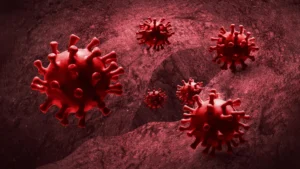
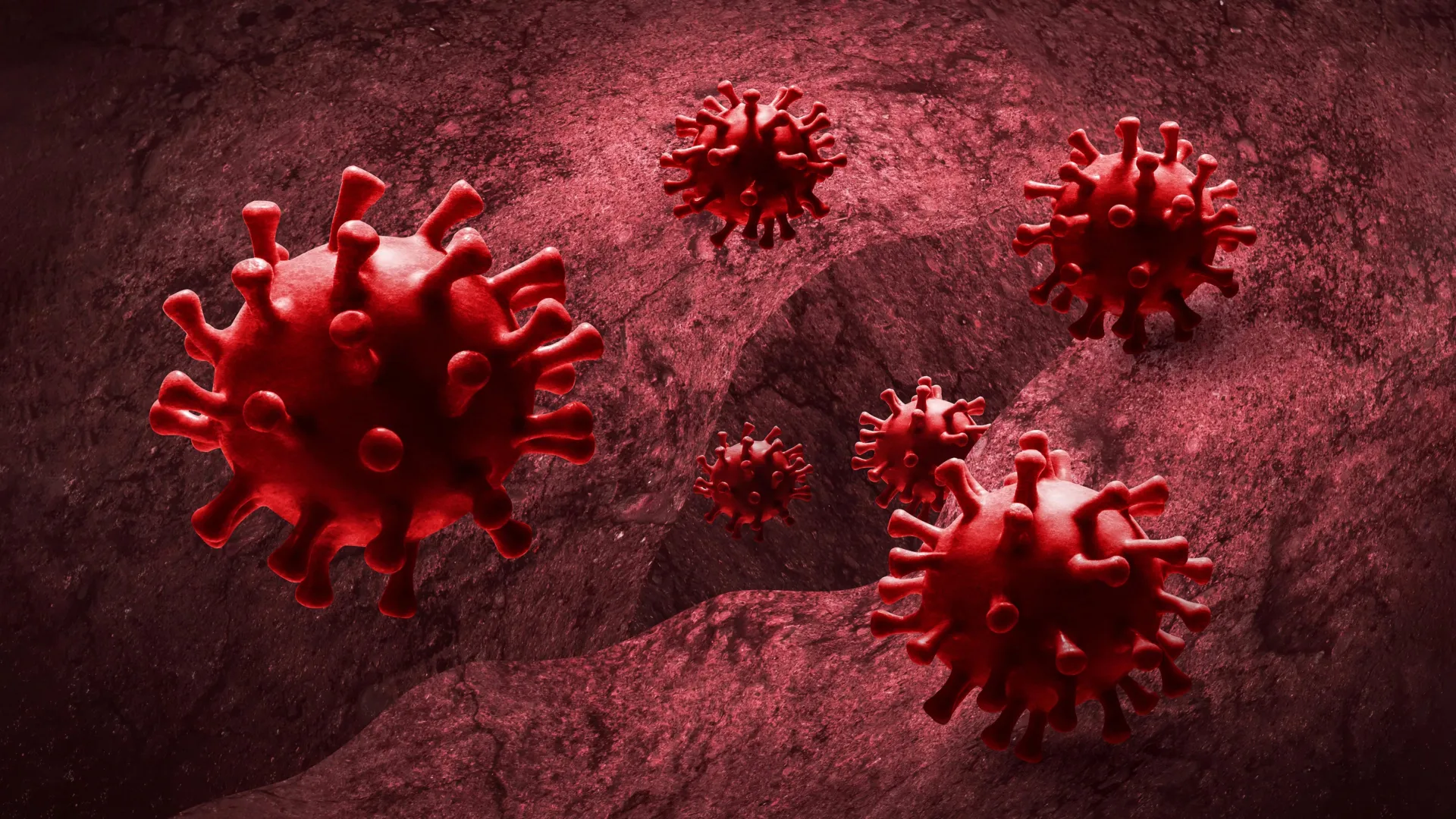
According to the researchers, this vulnerability is not limited to a single pathogen. The study specifically highlighted that the drugs facilitate the spread of:
- SARS-CoV-2: The virus responsible for the COVID-19 pandemic.
- Influenza A: A seasonal pathogen that remains a leading cause of respiratory illness globally.
- Rift Valley Fever Virus: A zoonotic disease with the potential for severe, sometimes fatal, outcomes.
- Adenoviruses: Common pathogens that cause a wide range of illnesses, from respiratory infections to gastroenteritis.
Chronology of Discovery: From Clinical Observation to Laboratory Proof
The journey to this discovery began with the observation that patients on immune-suppressing therapies often exhibited atypical responses to concurrent viral infections. To move beyond clinical observation, the NTNU team embarked on a rigorous, multi-year investigative process.
Phase 1: Conceptualization and Hypothesis
Recognizing that JAK inhibitors work by inhibiting the JAK-STAT signaling pathway—a critical component of innate immunity—researchers hypothesized that the drugs might unintentionally interfere with the body’s primary antiviral defense mechanism.
Phase 2: Experimental Design
The team utilized a sophisticated multi-platform approach to test their hypothesis. Rather than relying on simple cell cultures, which often fail to capture the complexity of human biology, they employed:
- Gene Expression Analysis: To measure how precisely the drugs altered the activation of antiviral genes.
- Organoid Technology: By growing miniature, three-dimensional versions of human organs (including lung, eye, and brain tissues) in the laboratory, the team was able to observe how the drugs affected viral replication in complex, tissue-specific environments.
Phase 3: Peer Review and Publication
Following extensive validation, the study was submitted to NAR Molecular Medicine. The publication process involved rigorous scrutiny of the data, which confirmed that the suppression of immune signaling was consistent across multiple cell types and viral families. The findings, officially released recently, have now sparked a broader conversation about patient safety protocols.
Supporting Data: Why JAK Inhibitors Weaken Antiviral Defenses
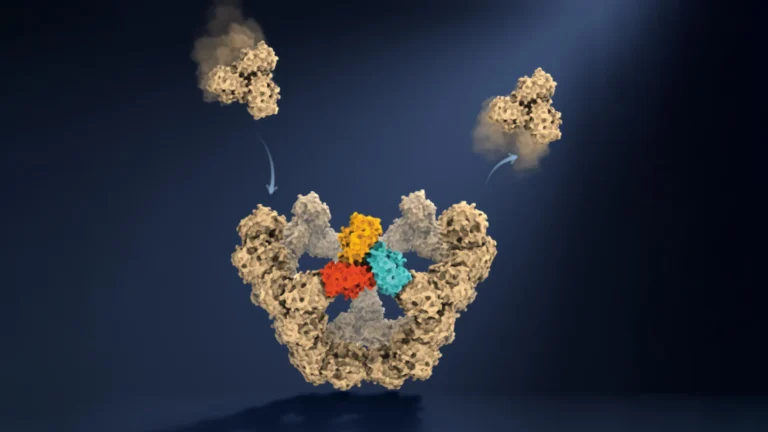
To understand the significance of the NTNU findings, one must look at the specific mechanism of the JAK-STAT pathway. Under normal circumstances, when a virus enters the body, cells release interferons. These proteins bind to receptors on neighboring cells, triggering the JAK-STAT pathway, which in turn activates hundreds of "interferon-stimulated genes" (ISGs). These genes create an antiviral state, making it extremely difficult for a virus to replicate.
The data gathered by the NTNU team, including the efforts of lead author and PhD fellow Erlend Ravlo, demonstrated that JAK inhibitors block the phosphorylation of STAT proteins. Without this activation, the cell remains "unaware" of the viral presence, and the production of antiviral proteins is significantly hampered.
"We have found a surprising and potentially serious side effect," says Professor Kainov. "These genes play a crucial role in the body’s response to viral infections, and when their activity is suppressed, the virus finds a significantly easier path to establish an infection and spread between cells."
The experimental data across the miniature organ models showed that, when treated with baricitinib and similar compounds, viral load significantly increased compared to untreated control groups. This indicates that the drug’s benefit—reducing the inflammation caused by the patient’s own immune system—is directly pitted against the immune system’s ability to defend against external threats.
Official Responses and Scientific Context
The research has received significant attention within the scientific community, prompting a wave of interest from clinicians who manage autoimmune diseases. While the findings are sobering, they are not a call to abandon the use of JAK inhibitors. Instead, they serve as a call for "clinical precision."
Professor Magnar Bjørås, who provided critical scientific expertise and secured funding for the project, emphasized that the study is intended to refine medical practice rather than instill fear. The research highlights a specific biological tension that has long been suspected but never before mapped with this level of clarity.
Funding for this extensive research was provided by a coalition of high-level institutions, including the Central Norway Regional Health Authority, the South-Eastern Norway Regional Health Authority, the Research Council of Norway, and the Swedish Research Council. This level of institutional support underscores the perceived importance of these findings for public health policy.
Implications for Patients and Future Clinical Practice
The implications of the NTNU study are vast, affecting how doctors approach everything from routine care to pandemic management.
For Clinicians
The most immediate takeaway is the need for caution during periods of high viral transmission. Doctors are being encouraged to weigh the severity of a patient’s inflammatory condition against the current risk of community-level viral outbreaks. If a patient is on a JAK inhibitor, they may need closer monitoring during flu season or during surges of respiratory viruses like SARS-CoV-2.
For Patients
Patients currently taking JAK inhibitors (such as those prescribed for rheumatoid arthritis or psoriatic arthritis) should not discontinue their medication without consulting their physician. Stopping anti-inflammatory treatment abruptly can lead to dangerous disease flares. Instead, the researchers suggest a proactive conversation with healthcare providers regarding:
- Vaccination Status: Ensuring all vaccinations are up-to-date to bolster the immune system before it is modulated by drugs.
- Viral Monitoring: Being aware of local transmission rates for common viruses.
- Risk Mitigation: Implementing additional protective measures (such as masking or social distancing) during high-risk periods to compensate for the drug-induced immune vulnerability.
For Future Research
Interestingly, the team notes that the same properties that make JAK inhibitors dangerous in a clinical setting could be harnessed for scientific progress. By using these drugs in a controlled laboratory environment, researchers can intentionally suppress immune responses to better study how viruses behave in isolation, which may aid in the development of new vaccines or the testing of experimental antiviral drugs.
"We recommend further studies to better understand how the drugs can be used optimally, especially during virus outbreaks or pandemics," says co-author Aleksandr Ianevski.
Conclusion: A New Era of Informed Prescription
The study from the Norwegian University of Science and Technology serves as a sobering reminder of the interconnected nature of the human immune system. While Janus kinase inhibitors remain a transformative tool in the management of chronic autoimmune diseases, the "hidden cost" of their efficacy is a dampened antiviral response.
As medicine moves toward a more personalized and risk-aware model, these findings represent a vital step forward. By acknowledging the biological trade-offs inherent in powerful pharmaceuticals, the medical community can better protect the most vulnerable patients, ensuring that the treatment of one condition does not open the door to another. The future of immunology lies not just in suppressing inflammation, but in doing so with a surgical precision that leaves the body’s innate defenses intact.