









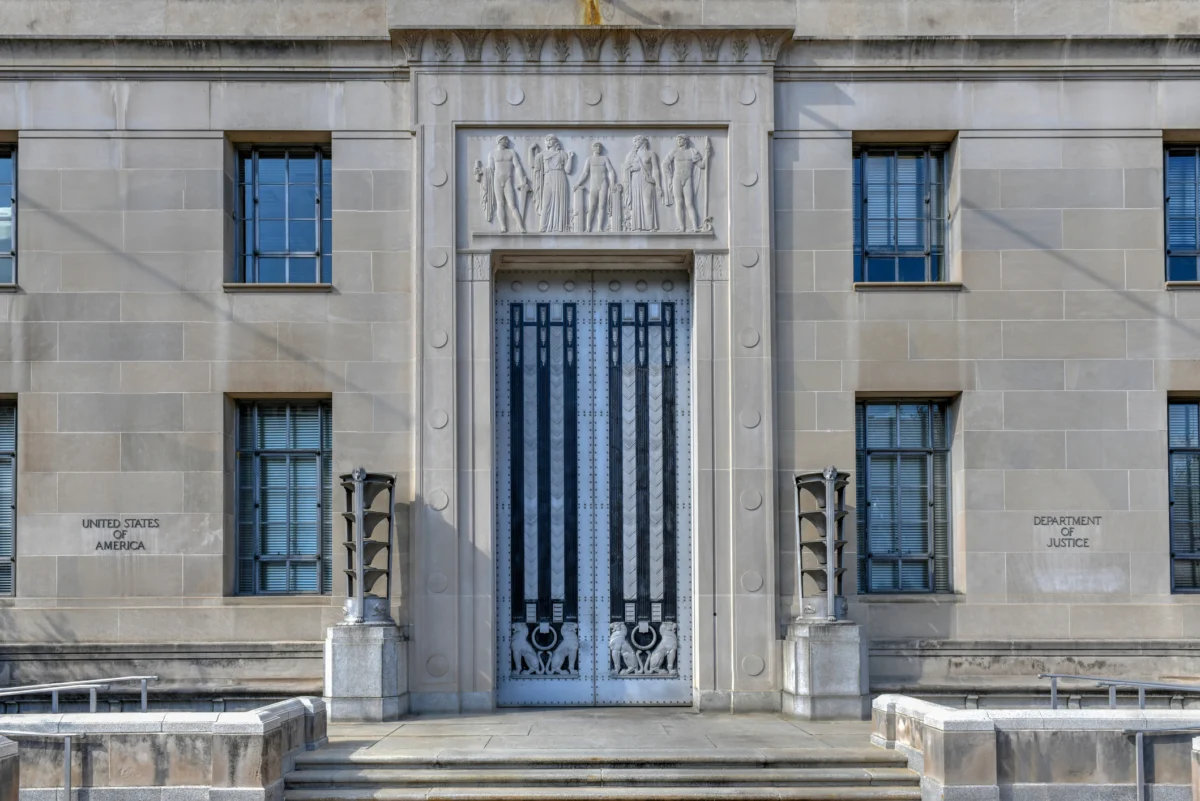
Philips Respironics, a division of the global health technology giant Royal Philips, has reached a significant milestone in its ongoing effort to navigate the fallout from the massive recall of its sleep and respiratory care devices. In a development that signals a shift toward resolution, the company has confirmed an agreement in principle with the United States Department of Justice (DOJ) to settle long-standing criminal and civil investigations stemming from the widespread recall of its CPAP, BiPAP, and mechanical ventilator systems.
The resolution, which involves a provision of EUR 288 million (approximately $312 million USD at current exchange rates), marks a critical chapter in a multi-year ordeal that has tested the company’s regulatory compliance, public reputation, and financial stability.
Main Facts: The Settlement and Financial Impact
The agreement in principle serves to put to rest the federal scrutiny surrounding the company’s handling of the recall, which was initially prompted by concerns regarding the polyester-based polyurethane (PE-PUR) foam used in millions of devices. This foam was found to potentially degrade, releasing harmful particles and toxic gases that could be inhaled by patients during therapy.
To account for the expected settlement, Philips recorded a provision of EUR 288 million in its third-quarter financial results for 2026. While the agreement is currently pending the finalization of legal documentation, the company anticipates the formal payout to occur in the first quarter of 2027.
This settlement is separate from the $1 billion agreement previously reached with patients who claimed injury from the use of the affected machines. By resolving the federal investigations, Philips effectively closes the most significant legal hurdle involving government oversight, though the company remains under strict regulatory monitoring as it restores its production and safety protocols.
A Chronology of the Recall and Legal Fallout
The path to this settlement has been arduous, spanning over five years of regulatory friction and public concern.
- June 2021: Philips issues a massive voluntary recall of its CPAP and BiPAP machines, citing the potential for sound-abatement foam to degrade. The scope of the recall eventually expanded to include millions of units globally.
- 2022–2023: The FDA intensifies its oversight, issuing multiple "Form 483" observations and warning letters regarding the company’s quality management systems. Public lawsuits begin to aggregate, alleging that Philips was aware of the foam issues long before the recall was initiated.
- 2024: A consent decree is finalized between Philips Respironics and the US government. This decree mandated significant changes to the company’s manufacturing processes, quality control, and testing procedures for respiratory devices.
- 2025: Throughout the year, Philips focuses on remediation and the phased reintroduction of devices into the market, subject to stringent federal oversight.
- Q3 2026: Philips announces the agreement in principle with the DOJ, providing a roadmap for the conclusion of federal investigations. Simultaneously, the Enterprise Chamber of the Amsterdam Court of Appeal denies investor requests for a broader probe into the company’s management of the crisis.
Supporting Data: Operational Resilience Amidst Crisis
Despite the heavy burden of litigation and regulatory compliance, Philips’ operational data suggests a surprising level of resilience. In the third quarter of 2026, the company reported that its sleep and respiratory care division achieved mid-single-digit sales growth.
This growth was primarily fueled by robust demand in Japan and Europe, where market confidence has shown signs of rebounding faster than in the North American market. The broader "Connected Care" segment, which encompasses the respiratory business, reported a 5% increase in comparable sales. Furthermore, the segment’s adjusted EBITA margin improved by 190 basis points, reaching 13.3%.
These figures indicate that while the brand suffered significant reputational damage, the fundamental demand for sleep therapy solutions remains high. By successfully navigating the consent decree requirements, Philips has been able to maintain, and in some areas increase, its manufacturing output, signaling a potential return to operational normalcy by 2027.
Official Responses and Corporate Strategy
Roy Jakobs, CEO of Royal Philips, has framed this settlement as a pivotal moment for the company’s future. In an official statement following the announcement, Jakobs emphasized the importance of accountability and the proactive steps the company has taken to rectify past failures.
"We continue to make progress in resolving the consequences of the Sleep & Respiratory Care recall," Jakobs said. "The Respironics agreement in principle with the US Department of Justice marks an important step in this process. Our priority remains the safety of our patients and the restoration of trust with the healthcare community."
Internally, Philips has undergone a massive restructuring. The company has invested heavily in "Quality First" initiatives, overhauling its supply chain and internal audit mechanisms to ensure that the errors that led to the foam degradation—specifically the lack of adequate testing during the initial design phase—are not repeated.
Regarding the Amsterdam Court of Appeal’s ruling, the company viewed the rejection of the investor-led inquiry as a sign that the judiciary recognizes the company’s ongoing transparency and cooperation with regulators. For investors, this ruling helps clear the path for the company to focus on its core growth segments, such as image-guided therapy and personal health.
Implications: The New Normal for Medical Device Manufacturers
The resolution of the Philips Respironics case carries profound implications for the global medical device industry.
1. The Era of Stricter Regulatory Oversight
The Philips recall serves as a cautionary tale for the industry. The fact that the company was forced to sign a consent decree—a legally binding agreement that essentially places the company under government probation—demonstrates the FDA’s willingness to exert significant pressure on large-scale manufacturers. Other companies are now facing increased scrutiny regarding their own quality management systems (QMS) and post-market surveillance.
2. Financial Consequences of Quality Failure
The combined weight of the $1 billion patient settlement and the roughly $300 million DOJ settlement highlights the massive financial risks associated with quality failures. Companies are now being forced to allocate larger capital reserves for potential litigation, which can limit the amount of capital available for R&D and strategic acquisitions.
3. Supply Chain Transparency
The root of the Philips crisis was, in part, a failure to fully understand the chemical composition and long-term stability of the materials provided by sub-suppliers. The industry is moving toward a more transparent supply chain model, where device manufacturers are expected to maintain deeper visibility into the material specifications of their vendors, even for components that are seemingly secondary to the device’s primary function.
4. Patient-Centric Remediation
Perhaps the most lasting impact is the shift in how companies handle recalls. Philips’ approach—characterized by constant communication with the FDA, public updates on the consent decree, and a clear path for device replacement—has set a new benchmark for how companies must interact with the public. Moving forward, a company’s ability to communicate clearly during a crisis will be viewed by investors and regulators as a core competency rather than an afterthought.
Looking Ahead: A Future Beyond the Recall
As Philips moves into 2027, the company is positioning itself to leave the shadow of the recall behind. With the DOJ settlement nearing finalization, the legal cloud over the company is thinning. The focus now shifts toward the "New Philips"—a company that is arguably more compliant, more tightly regulated, and more cautious than the one that existed in 2020.
The financial performance in the third quarter of 2026 suggests that the market is willing to forgive, provided that the company continues to demonstrate clinical safety and operational stability. However, the path to full recovery will be measured in years, not months. The company must continue to prove to clinicians, sleep centers, and patients that its current generation of respiratory devices meets the highest safety standards in the world.
For the healthcare sector at large, the Philips Respironics saga serves as a reminder that in the medical device field, innovation must always be balanced by rigorous, uncompromising safety testing. As technology advances and devices become more connected, the complexity of these products increases, and with it, the necessity for a culture of safety that permeates every level of the corporate structure.
The agreement with the DOJ is not just a financial transaction; it is a signal that a chapter of corporate history is closing. Whether this leads to a new era of growth for Philips will depend on its ability to leverage its hard-won lessons to prevent future crises, ensuring that patient health remains the ultimate metric of success.