









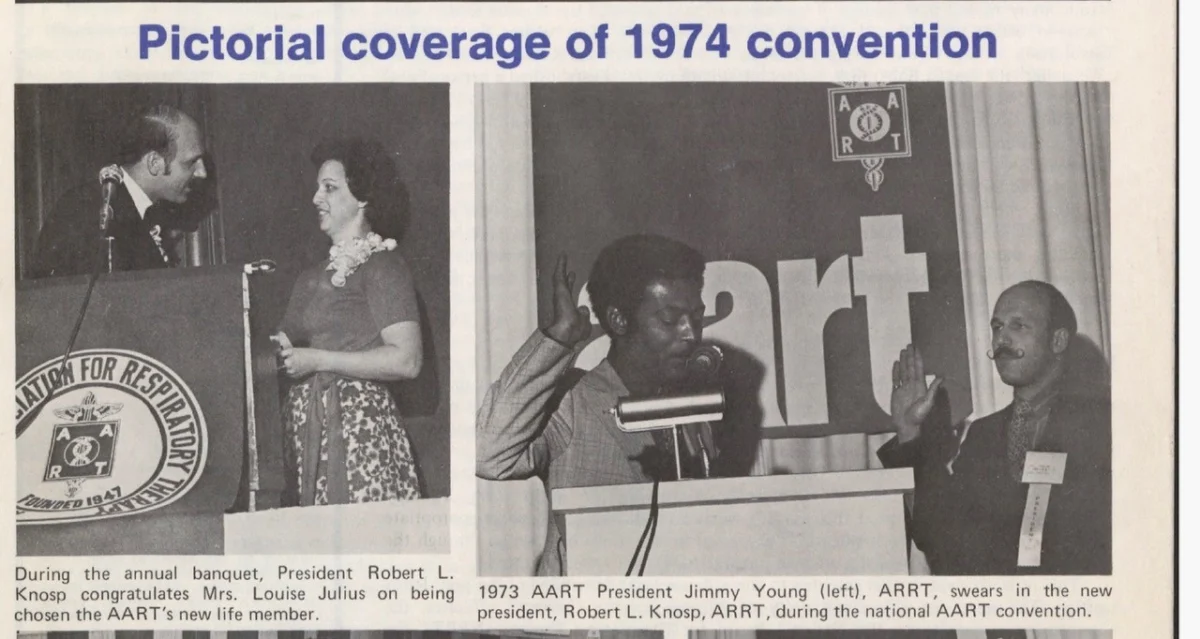
The American Association for Respiratory Care (AARC) has long served as the bedrock of a profession that sustains life during its most fragile moments. At the pinnacle of the association’s recognition programs stands the Jimmy A. Young Award, the highest honor bestowed upon an individual for a lifetime of sustained, transformative contributions to the field of respiratory care. Named in memory of a visionary AARC president who dedicated his life to the advancement of the discipline, the award is a symbol of excellence, integrity, and relentless advocacy.
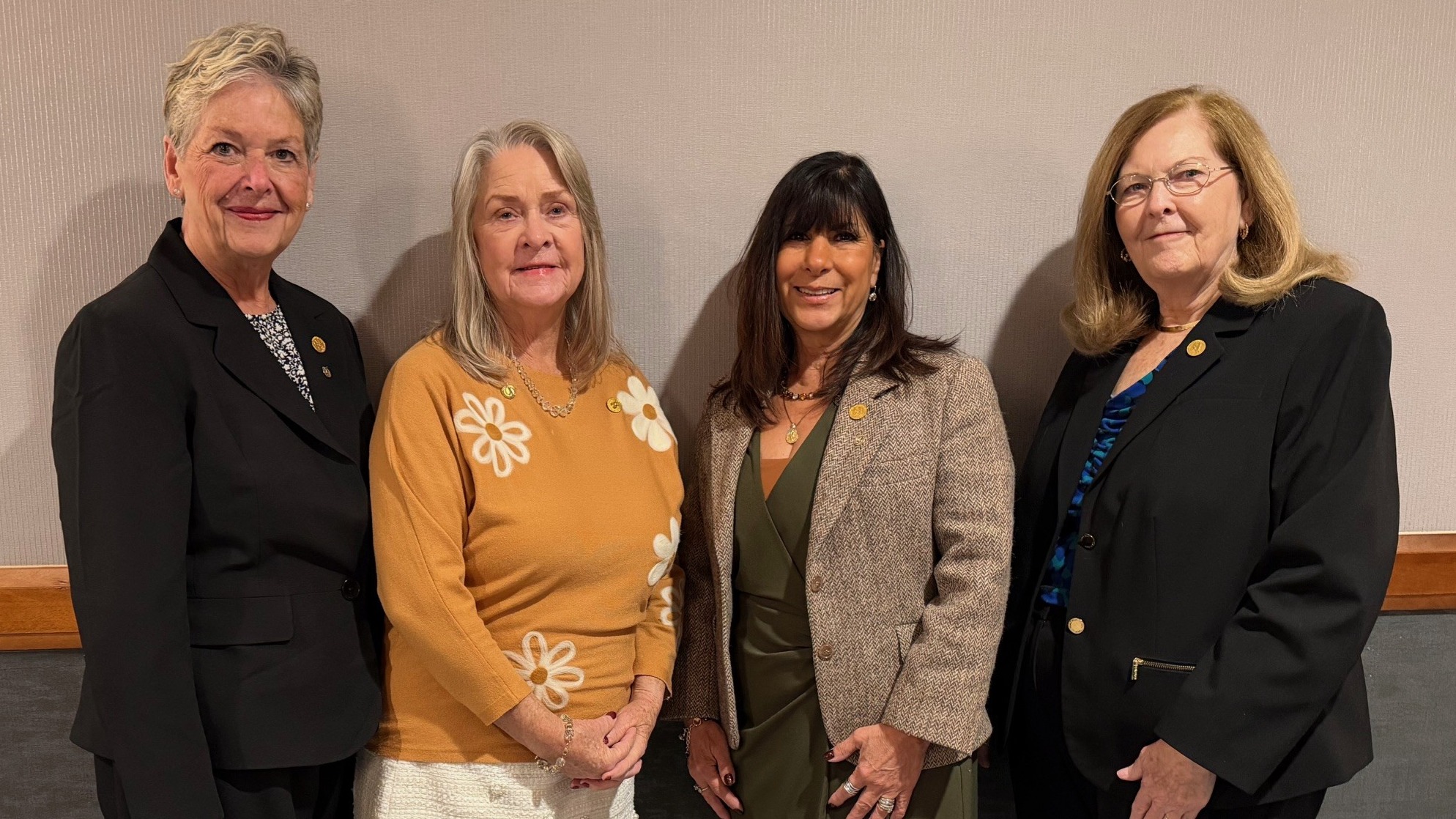
Recently, in a landmark retrospective, Lisa Weisenberger, AARC Director of Content and Communications, facilitated an extraordinary dialogue with four of the five women who have achieved this prestigious distinction: Dianne Lewis, MS, RRT, FAARC (2025); Trudy Watson, BS, RRT, FAARC (2018); Margaret Traband, MEd, RRT, FAARC (2011); and Teresa Volsko, MBA, MHHS, LSSBB, RRT, FAARC (2020). (The fifth recipient, Louise Julius, earned the honor in 1988 alongside her husband, John). This conversation transcended mere professional history; it served as a masterclass in leadership, gender equity, and the evolution of a critical medical profession.
A Legacy Forged in Service: The Chronology of Excellence
The paths to the Jimmy A. Young Award are as diverse as the individuals themselves, yet they share a common genesis: a foundational commitment to service that predates the desire for accolades.
The Foundations of Practice
Dianne Lewis, the most recent recipient (2025), traces her impact back to the trenches of the House of Delegates. Her work on the Clinical Practice Guidelines Steering Committee proved to be a watershed moment for the entire profession. "My group wrote and published the first clinical practice guideline for the association," Lewis reflects. This wasn’t merely an administrative task; it was the establishment of a standardized, evidence-based language for respiratory care that empowered clinicians nationwide to deliver consistent, high-quality interventions.
Local Roots, National Impact
Margaret Traband, who entered the AARC in 1972, offers a perspective grounded in the long view of the profession’s history. For Traband, greatness was never a pre-planned trajectory. "We began with our state societies," she explains. "You don’t do it looking for what else you need to check off a list to get an award. You’re just moving ahead where you think you can do the most good." Her philosophy underscores a vital lesson for contemporary practitioners: the most meaningful contributions often begin in the local chapter, where the pulse of the professional community is strongest.
Breaking the Glass Ceiling: A Historical Perspective on Leadership
While the contemporary respiratory therapy workforce boasts a significant female majority, the corridors of power were historically male-dominated. The journey of these four women—and their predecessors—is a narrative of breaking systemic barriers, often in environments where their voices were the only ones of their kind.
The Evolution of the "Table"
Teresa Volsko provided a candid assessment of the cultural shift regarding mentorship. "In 1979, if you were invited to the table, you didn’t dare bring another woman up with you because there was only one or two seats," Volsko recalls. This scarcity mindset, born of institutional exclusion, defined the early decades of the profession.
Today, however, the narrative has fundamentally changed. The recipients emphasize that the modern era of respiratory care is defined by a culture of lifting others up rather than competing for a singular seat. This shift is not merely social; it is structural. By mentoring the next generation of women, these leaders have ensured that the table is no longer a site of competition, but one of collaboration.
Data-Driven Growth and the Future of the Workforce
The success of these leaders must be viewed through the lens of the profession’s broader growth. The respiratory care field is currently at a unique juncture, characterized by rapid expansion and the pressures of a post-pandemic healthcare environment.
The Recruitment Challenge
Dianne Lewis notes that the demand for respiratory therapists (RTs) will remain robust for the next decade, with job opportunities proliferating as chronic respiratory conditions become more prevalent in an aging population. However, this demand brings a sobering reality: the challenge of the "pipeline." Trudy Watson points out that filling the classroom seats with the next generation of qualified, passionate students is perhaps the greatest hurdle facing the profession today.
The Sustainability of the Profession
The dual reality of growth and strain is a central theme in the current discourse. Burnout, exacerbated by the unprecedented demands of the COVID-19 pandemic, has forced a reevaluation of how practitioners sustain their careers. Traband offers a poignant reminder for those currently navigating the stresses of clinical practice: "The further away you get from the bedside, the less positive reinforcement happens. Take the time to reflect at the end of the day. Know that you’ve alleviated breathlessness and calmed patients. Steep in that moment."
A Roadmap for the Next Generation: Lessons from the Leaders
In their dialogue, the award recipients distilled their decades of experience into three core pillars of professional development for aspiring respiratory therapists.
1. The Art of Strategic Networking
Trudy Watson emphasizes that influence is built on credibility. "Get involved so your name is known and you are trusted within your own organization," she advises. This involves not only hospital-based engagement but also cross-pollination with related entities like the American Lung Association. Networking, in this context, is not about self-promotion; it is about building the professional social capital necessary to advocate for patients and the field.
2. The Mandate of "Over-Preparation"
Margaret Traband recalls the rigor of the 1970s "Journal Clubs," where the hallmark of a professional was a deep, uncompromising knowledge of current research. "Being over-prepared is status quo for most of us," she notes. "You have to be well-versed, so you don’t come off half-prepared." In an era of misinformation, the RT’s commitment to evidence-based practice remains the primary defense for patient safety.
3. Leading from the Bedside
Perhaps the most crucial lesson provided by Teresa Volsko is that leadership is not synonymous with an administrative title. "Don’t let the fact that you have the title of a clinical respiratory therapist stop you from doing great things. Lead where you are," she urges. By acting as a clinical leader, mentor, and advocate at the bedside, every RT has the capacity to influence the direction of the profession.
Implications: A Future Built on Advocacy
The Jimmy A. Young Award is far more than a recognition of past service; it serves as a beacon for the future. The collective experiences of Lewis, Watson, Traband, and Volsko illustrate that the future of respiratory care relies on a delicate, powerful synthesis: the technical brilliance required to master a high-stakes medical field, the emotional intelligence to navigate complex organizational structures, and the moral courage to advocate for the advancement of others.
As the AARC continues to navigate the complexities of the 21st-century healthcare landscape, the lessons provided by these four women serve as a foundational document. They remind us that while the tools of the trade may evolve—from the mechanical ventilators of the 1970s to the digital health integration of the 2020s—the core of the profession remains constant. It is, at its heart, a practice of humanity, precision, and sustained, intentional service.
For the young therapist entering the field today, the message from these pioneers is clear: the path to leadership is not paved with shortcuts, but with the consistent, daily application of excellence. By mastering the science, building the network, and embracing the responsibility to mentor those who follow, the next generation of RTs will ensure that the legacy of Jimmy A. Young continues to breathe life into the profession for decades to come.
In closing, the retrospective serves as a timely reminder that behind every clinical procedure is a human story. By valuing the voices of these leaders, the AARC reaffirms its commitment to a culture that is as inclusive as it is expert, ensuring that when the next group of innovators takes the stage, they stand on the shoulders of giants.