










In an era of wearable technology and digital health assessments, millions of individuals are taking proactive steps to monitor their sleep health. Whether through a smartphone app, a smart ring, or a simple online questionnaire, you may have recently completed a sleep apnea screening and received a result indicating you are at "higher risk" for obstructive sleep apnea (OSA).
While receiving such a notification can be unsettling, it is vital to understand exactly what it means—and, more importantly, what it does not mean. A screening result is not a medical diagnosis; it is a signal, a nudge from your body and your data that it is time to consult a professional. Understanding the difference between a screening and a diagnosis is the first step toward reclaiming restorative sleep and protecting your long-term health.
Main Facts: Distinguishing Screening from Diagnosis
The most critical takeaway from any sleep screening tool is that screening is not diagnosis.
Screening tools are designed to identify patterns—symptoms, physical markers, and lifestyle factors—that statistically correlate with obstructive sleep apnea. They function as a wide-net filter to flag individuals who might benefit from a deeper clinical investigation. However, these tools lack the diagnostic precision required to confirm the presence or absence of the disorder.
According to a 2025 health advisory issued by the American Academy of Sleep Medicine (AASM), while consumer-grade sleep apps and devices offer valuable insights into your nightly habits, they are fundamentally limited. They cannot "see" the physiological events that occur within the airway during sleep with the clinical accuracy of a diagnostic sleep study. If your device or app indicates you are at higher risk, treat it as a conversation starter for your primary care physician or a sleep specialist, rather than a final verdict. A formal diagnosis requires a comprehensive evaluation by a medical professional, often involving overnight monitoring of your physiological data.
Chronology: The Path from Screening to Clinical Care
Understanding the journey from a suspicious screening result to a potential treatment plan helps demystify the process.
- The Trigger Event: You complete an assessment. Perhaps your partner mentioned your snoring, or a wearable device flagged "disturbed sleep" or "blood oxygen dips."
- The "High-Risk" Flag: The tool identifies clusters of symptoms or physical traits (like a larger neck circumference or specific BMI) that align with OSA profiles.
- The Data Gathering Phase: Between receiving the result and your doctor’s appointment, you should begin documenting your symptoms. Keeping a two-week sleep diary is highly recommended. Note when you go to bed, when you wake up, how rested you feel, and any mid-day fatigue.
- The Professional Consultation: You present your findings to a clinician. They will synthesize your screening results with your full medical history and a physical examination of your airway.
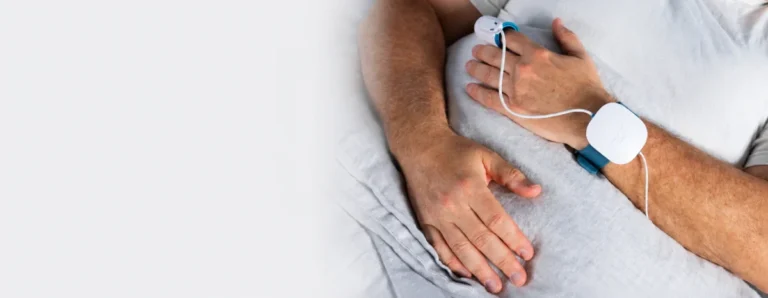
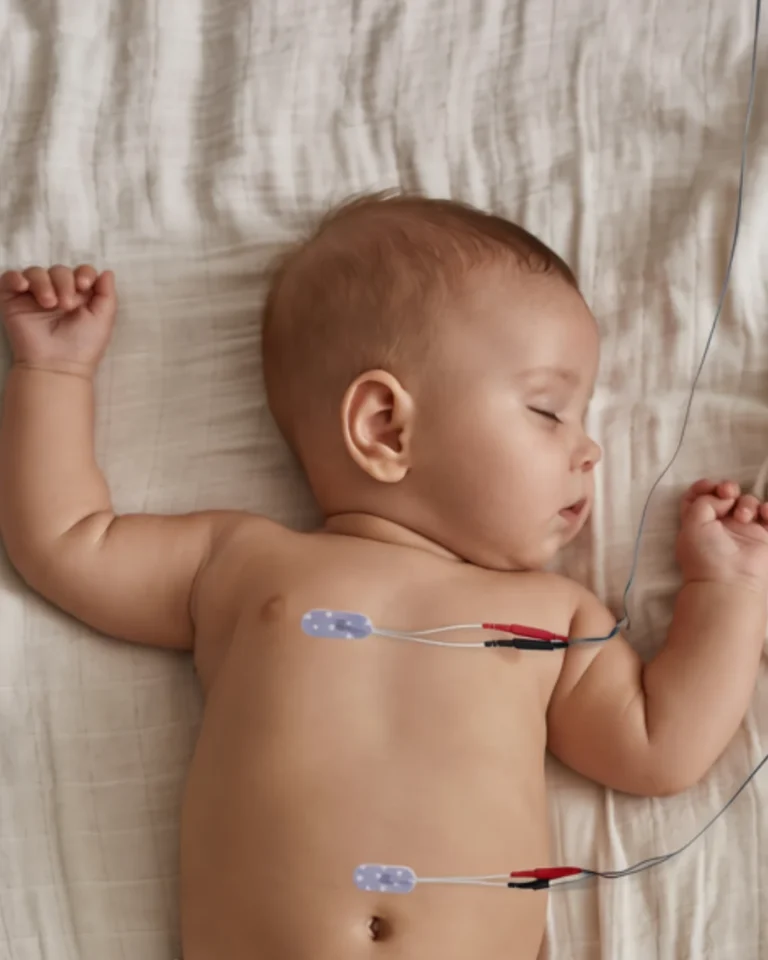
- The Diagnostic Test: If the physician suspects OSA, they will order a formal sleep study. This could be a home sleep apnea test (HSAT) or an in-lab polysomnography.
- The Treatment Roadmap: Only after the study confirms the presence and severity of the apnea will a doctor discuss therapeutic options, such as CPAP therapy, oral appliances, or lifestyle interventions.
Supporting Data: Why We Screen for Sleep Apnea
Sleep apnea is a complex condition, and screening tools look for a constellation of factors rather than a single indicator. Recognizing these clues can help you understand why your screening flagged you.
Symptoms During Sleep
Many people remain unaware of their nocturnal symptoms. These often include:
- Loud, chronic snoring: A primary warning sign.
- Witnessed Apneas: Pauses in breathing followed by gasping or choking sounds—often first noticed by a bed partner.
- Fragmented Sleep: Waking up frequently, sometimes due to the need to urinate (nocturia).
Daytime Consequences
The impact of untreated sleep apnea extends far into your waking hours:
- Persistent Fatigue: Feeling unrefreshed despite a full night in bed.
- Cognitive Fog: Difficulty concentrating, memory lapses, and increased irritability.
- Drowsy Driving: The most dangerous consequence, where sleepiness behind the wheel mimics impairment.
Physical and Health Factors
The "why" behind the risk often lies in anatomy and systemic health:
- Anatomical Factors: Excess body weight is a primary driver, but recessed jaws, enlarged tonsils, or a deviated septum can also restrict the airway.
- Comorbidities: Sleep apnea is frequently linked to high blood pressure, type 2 diabetes, heart failure, and atrial fibrillation.
- Demographics: Age and biological sex play roles. Men are statistically at higher risk, though the risk for women increases significantly following menopause.
Official Responses: The Stance of the Medical Community
The American Academy of Sleep Medicine (AASM) has been clear in its position: consumer technology is a tool, not a doctor. The 2025 advisory emphasizes that while technology can help people become more aware of their sleep health, it is currently unable to replace the gold standard of clinical diagnosis.
The medical establishment views these screening tools as part of a "patient-centered approach" to healthcare. By putting the data in the hands of the patient, individuals are more likely to seek help for symptoms they might have otherwise ignored. However, the official guidance remains firm: do not ignore a high-risk result, but do not rely on it to make medical decisions.
The AASM encourages the use of established, evidence-based questionnaires and risk-assessment forms, which are designed to be reviewed by a physician. When you bring your digital results to a doctor, you are providing them with one piece of a much larger puzzle.
Implications: Why You Must Take the Next Step
Ignoring a high-risk screening is a missed opportunity for preventive medicine. If you are, in fact, suffering from sleep apnea, the implications of leaving it untreated are significant.
The Cardiovascular Connection
Sleep apnea places immense strain on the cardiovascular system. Every time your breathing pauses, your oxygen levels drop and your heart rate fluctuates, triggering a stress response. Over years, this contributes to hypertension and puts you at a much higher risk for stroke and heart failure.
Quality of Life
The "invisible" symptoms—mood swings, lack of motivation, and poor performance at work—are often dismissed as signs of aging or stress. Treating sleep apnea can be life-changing, often restoring energy levels and mental clarity that patients didn’t realize they had lost.
The Diagnostic Process
Do not be intimidated by the prospect of a "sleep study." Modern medicine has evolved. While in-lab studies (polysomnography) remain the gold standard for complex cases, home sleep apnea tests have made the process much more accessible and comfortable. Even if a home test is inconclusive, it simply means your care team needs more data, not that you are "cured" or "healthy."
Final Advice
If your screening tool labeled you as "high risk," take a deep breath. You have gained valuable information. The next logical step is to book an appointment with a primary care provider or a sleep specialist.
Prepare for that appointment by:
- Writing down your symptoms: Be specific about how you feel during the day.
- Consulting your partner: Ask them directly about your breathing at night.
- Maintaining a sleep diary: Two weeks of data provides your doctor with a clear picture of your patterns.
- Bringing the screening results: Use them as a starting point for a professional conversation.
Your health is not defined by an app’s algorithm. It is defined by your actions. By moving from a digital screening to a professional medical evaluation, you are taking the most important step toward better sleep, better health, and a better life.
Medical review by Ahmed Saleh, MD. This article was created using editorial tools, including AI, as part of the process. Human editors reviewed this content before publication.