











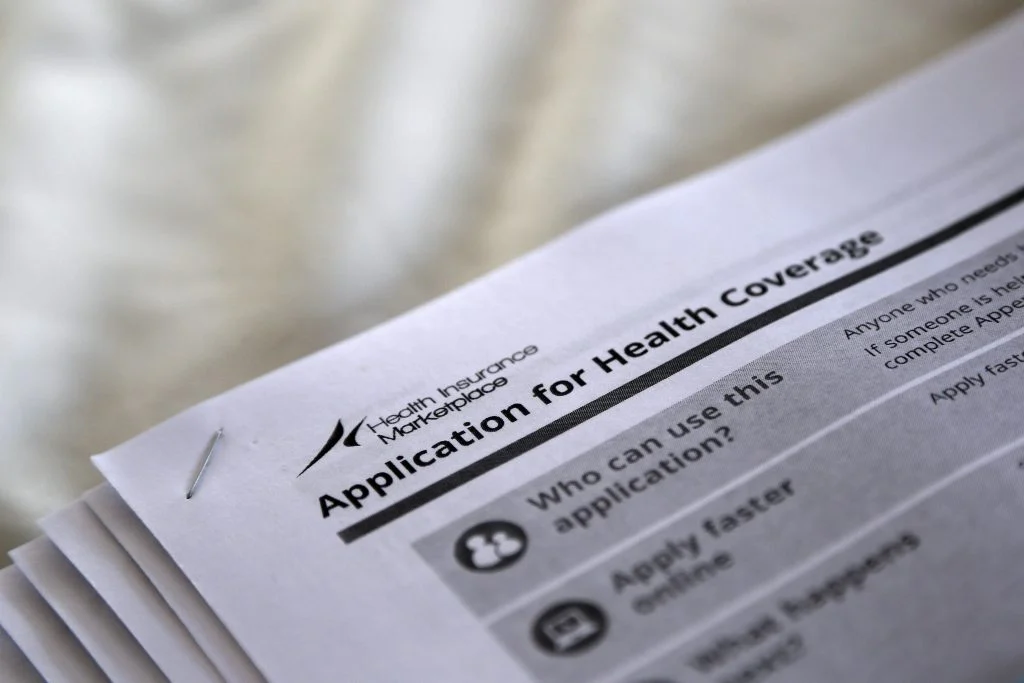
WASHINGTON — As the annual open enrollment period for the Affordable Care Act (ACA) marketplace kicks off this Sunday, millions of Americans are preparing to navigate a health insurance landscape defined by significant volatility. For the 2027 plan year, the federal exchange—long a pillar of the American healthcare safety net—is undergoing a profound transformation characterized by rising premiums, restricted financial assistance, and a more stringent administrative environment.
The enrollment window, which runs through January 15, marks the beginning of a period that healthcare policy experts suggest will test the resilience of the marketplace. With an average premium increase projected at 13% across the board, according to an analysis of Centers for Medicare & Medicaid Services (CMS) data by the non-partisan Kaiser Family Foundation (KFF), consumers are bracing for a difficult season of selection.
The State of the Marketplace: Key Factors Driving Change
The 2027 enrollment cycle arrives against a backdrop of shifting federal priorities. Unlike the previous administration, which focused on expanding subsidy reach, the current Republican administration has prioritized the reduction of federal expenditures and a rigorous crackdown on what officials term "waste, fraud, and abuse."
A Convergence of Economic Pressures
The 13% projected rise in premiums is not the result of a single policy change but rather a confluence of systemic economic factors. Cynthia Cox, Vice President and Director of the ACA program at KFF, notes that the upward pressure on rates is being fueled by a "perfect storm" of rising healthcare costs, increased hospital market concentration, and the ongoing integration of new clinical costs.
“Healthcare inflation is a pervasive reality,” Cox explains. “When you combine the rising cost of labor in the medical sector with the increasing utilization of high-cost specialty medications, such as the new generation of GLP-1 weight-loss and diabetes drugs, insurance carriers are forced to adjust their risk pools accordingly.”
Furthermore, the implementation of the No Surprises Act, while a landmark victory for consumer protection, has introduced new administrative complexities and billing shifts that carriers are currently navigating. These shifts, while intended to protect patients from astronomical out-of-network bills, have necessitated structural changes in insurance contract negotiations, contributing to the broader trend of rising premium costs.
Chronology: From Pandemic Expansion to Post-Subsidy Contraction
To understand the current state of the ACA, one must look at the recent historical trajectory of the program.
- 2021–2022: The American Rescue Plan Act and the Inflation Reduction Act provided unprecedented levels of federal subsidies, driving enrollment to record highs. During this era, the cost of premiums for many households was effectively neutralized by enhanced tax credits.
- 2023–2024: As the public health emergency subsided, the legislative environment began to shift. The political debate over the long-term sustainability of "COVID-era" spending intensified.
- 2025–2026: Following the transition in the executive branch, federal policy shifted toward a philosophy of fiscal consolidation. The expiration of enhanced subsidies marked the beginning of a cooling-off period for the exchanges.
- Late 2026: The administration launched a series of aggressive reviews of existing policyholders, resulting in the identification and removal of hundreds of thousands of individuals from the rolls.
- November 2027: The current open enrollment period begins, reflecting a smaller, more expensive, and more heavily scrutinized marketplace.
Supporting Data: The Shrinking Safety Net
The data paint a sobering picture of the current enrollment climate. As of February 2027, the Department of Health and Human Services (HHS) reported that roughly 19.2 million individuals were enrolled in marketplace plans. However, this figure is already trending downward.
The decline in enrollment is directly correlated with the reduction of federal financial support. Analysis indicates that the expiration of enhanced subsidies—which previously lowered the "cliff" for middle-income earners—has caused a notable segment of the population to exit the market. Those who do not qualify for traditional subsidies are now facing the full brunt of market-rate increases.
“Many individuals who were previously shielded by subsidies are now finding themselves priced out,” says Cox. “We are seeing a migration toward ‘bronze’ level plans, which offer the lowest monthly premiums but come with significantly higher deductibles and out-of-pocket costs. For many families, this is a choice between a high-cost plan they cannot afford or no coverage at all.”
Moreover, new regulatory changes regarding the eligibility of lawfully present immigrants are expected to further shrink the pool of covered individuals. Estimates from health policy analysts suggest that these restrictions could lead to an additional 1 million uninsured individuals over the coming years, creating a ripple effect in local hospital emergency departments as uncompensated care costs rise.
Official Responses and Administrative Strategy
The current administration’s approach to the ACA is marked by a focus on program integrity. In September, Vice President JD Vance announced a significant initiative aimed at identifying and removing fraudulent enrollments from the public exchanges.
“Our duty is to the American taxpayer,” Vance stated during a press briefing. “We have identified hundreds of thousands of accounts that were either fraudulent or belonged to individuals who no longer met the criteria for enrollment. By cleaning up these exchanges, we are saving $2.2 billion that was being misallocated.”
The administration maintains that the marketplace remains a viable, robust option for those who truly qualify. A CMS fact sheet distributed ahead of the enrollment window emphasized that “Americans using HealthCare.gov will continue to have access to a variety of low-cost plans.” Officials argue that the current measures are necessary to ensure the long-term fiscal solvency of the program, rather than an attempt to dismantle it entirely.
However, critics argue that the "fraud crackdown" is a veil for reducing total enrollment numbers. Independent auditors have raised concerns that the aggressive removal of enrollees may have inadvertently impacted individuals who had legitimate claims but were unable to navigate the new, stricter verification protocols.
Implications: The Road Ahead for Consumers
The implications for the American consumer are significant. As the marketplace becomes more restrictive, the complexity of signing up has increased. Consumers are reporting potential delays in working with brokers, as systems are being updated to account for stricter identity and eligibility checks.
The Vulnerable Middle
Perhaps the most vulnerable demographic in the current landscape is the "middle-income" cohort. These individuals earn too much to qualify for significant cost-sharing reductions but not enough to easily absorb a 13% increase in premiums. This group is essentially the "canary in the coal mine" for the ACA; their ability to maintain coverage will determine the future stability of the individual market.
Systemic Strain
The broader healthcare system is also bracing for impact. If, as experts predict, fewer people are enrolled in comprehensive insurance plans, the burden of uncompensated care will shift back to providers. Hospital systems, particularly those in rural or underserved areas, may find their profit margins squeezed as they manage an increase in uninsured patients who defer primary care until it becomes a high-cost emergency.
Uncertainty and the Future
As the enrollment window proceeds, the primary sentiment among healthcare analysts is one of uncertainty. While the administration projects cost savings, the human cost of these changes—in the form of delayed medical procedures, increased financial hardship for families, and a larger uninsured population—remains to be seen.
"There is going to be a contraction in this market," concludes Cox. "Whether that leads to a more efficient system or a more fractured one is the central question. What is clear is that for the average consumer, the ‘set it and forget it’ days of ACA enrollment are over. This year, more than ever, requires careful planning, a clear understanding of one’s eligibility, and a realistic assessment of one’s healthcare budget."
As millions log on to HealthCare.gov this week, the contrast between the expansionist policies of the previous decade and the restrictive approach of today has never been more visible. For the American healthcare consumer, the 2027 open enrollment period is not just a routine renewal—it is an exercise in navigating a fundamentally altered system.