





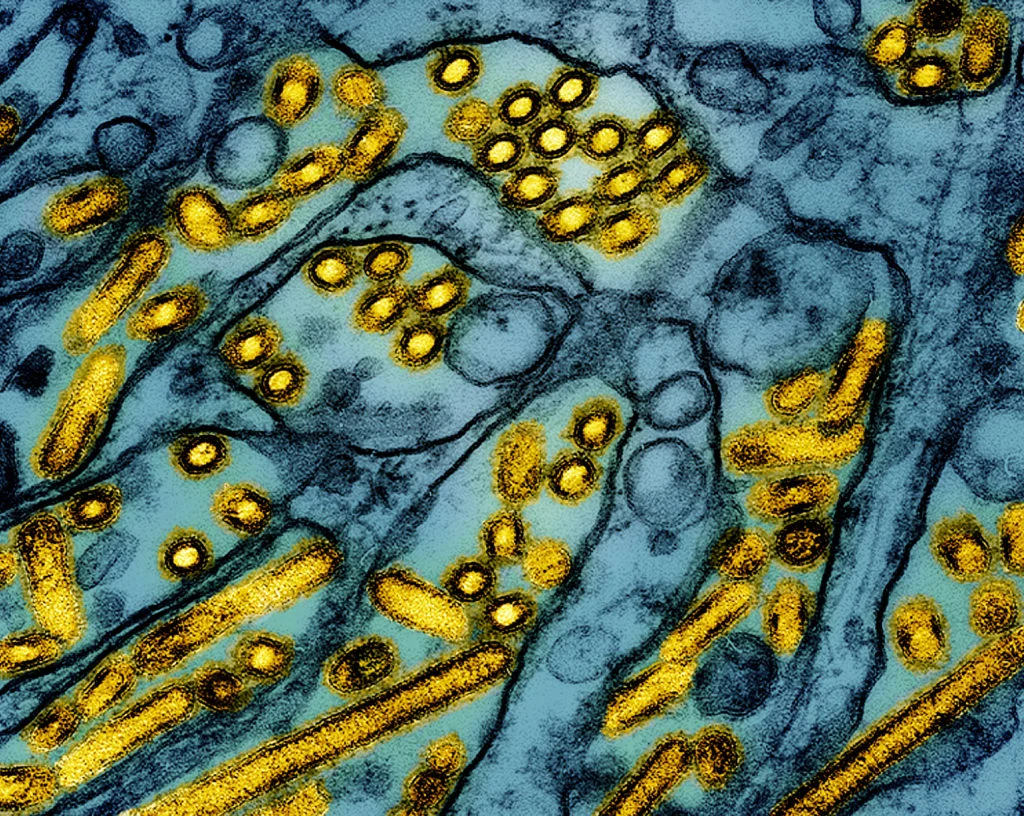
YAKIMA, Wash. — Health officials in Washington state have confirmed the death of a Yakima County resident due to complications from avian influenza, marking the first fatality linked to the virus in the United States in over a year. The individual, who suffered from underlying health conditions, had been hospitalized after exposure to the H5N1 strain at a local dairy farm currently battling an outbreak among its cattle.
The death, confirmed on Sunday, November 2, 2026, serves as a sobering reminder of the persistent, evolving threat posed by highly pathogenic avian influenza (HPAI) as it continues to circulate within the American agricultural sector. While federal health agencies maintain that the risk to the general public remains low, the incident has reignited debates regarding biosafety protocols in livestock management and the potential for zoonotic spillover.
The Chronology of an Escalating Public Health Concern
The current surge of H5N1 in the United States represents a departure from historical patterns of the virus. Since early 2024, when the pathogen first demonstrated its ability to jump from avian populations into U.S. livestock, the landscape of public health surveillance has shifted dramatically.
A Timeline of Key Milestones:
- Early 2024: The virus reaches a critical tipping point as infections are identified in U.S. dairy cattle, raising alarms among the Centers for Disease Control and Prevention (CDC) and the Department of Agriculture (USDA).
- January 2025: The first U.S. death linked to the current H5N1 outbreak is recorded—an elderly individual in Louisiana. This event signaled that the virus was not merely a threat to poultry, but a potential danger to vulnerable human populations.
- November 2025: A second death occurs in Washington state. In this instance, the fatality was attributed to a rarer variant of the virus, H5N5, complicating the narrative that H5N1 was the sole strain of concern.
- November 2026: The Yakima County death is confirmed, marking the third recorded fatality since the 2024 escalation.
Each of these events has been met with intensive contact tracing and genomic sequencing, yet the virus continues to find niches in both wild bird populations and commercial farming operations, making eradication an increasingly difficult goal.
Understanding the Viral Threat: Data and Genomic Analysis
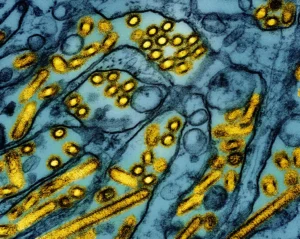
The Yakima County fatality has prompted an immediate, deep-dive analysis by the CDC. A spokesperson for the agency confirmed on Monday that the genetic sequence of the virus retrieved from the patient showed no evidence of "adaptive mutations"—changes that would suggest the virus is becoming better at human-to-human transmission.
Current Statistical Snapshot:
- Total Human Infections: Since January 2024, the CDC has documented more than 70 human cases of avian influenza in the U.S.
- Outbreak Scope: In Yakima County alone, 33 dairy herds have tested positive for the virus.
- Transmission Vectors: While the virus is widespread in wild birds, the spillover into dairy cows—a phenomenon rarely seen before 2024—has created a constant exposure loop for farm workers.
Despite these numbers, the CDC maintains that there is no sustained, person-to-person spread. The infections documented thus far have been almost exclusively linked to direct contact with infected animals or contaminated environments, such as milking parlors.
Official Responses: Surveillance and Mitigation
The Yakima Health District, in conjunction with the Washington State Department of Health, has initiated a robust response protocol. This includes identifying and monitoring all individuals who had close contact with the deceased or with the affected dairy herds.
The Stance of Public Health Authorities
"Our primary objective is to break the chain of exposure," a state health official noted. The protocol involves mandatory symptom reporting for at-risk workers for a period of 14 days following their last exposure. Furthermore, the state is providing enhanced personal protective equipment (PPE), including respiratory and eye protection, to farm workers—a group that remains the most vulnerable segment of the population.
The CDC’s message remains consistent: the "risk to the general public is low." However, this narrative is often met with skepticism from advocacy groups who argue that the economic pressures on the dairy industry may lead to underreporting of symptomatic animals or workers.
The Implications for Industry and Biosafety
The presence of H5N1 in 33 dairy herds in a single county underscores the systemic vulnerability of modern industrial agriculture. When the virus enters a dairy facility, the environment becomes a reservoir. The process of milking, which generates aerosols and involves high-density contact between humans and cattle, provides an ideal pathway for zoonotic transfer.
Economic and Biological Risks
- Livestock Productivity: Beyond the human health risks, H5N1 causes significant losses in milk production and animal health, threatening the stability of the local dairy economy.
- Zoonotic "Bridge" Species: Scientists are increasingly concerned that cows may act as a "mixing vessel," potentially allowing the virus to swap genetic material with human influenza strains. While there is no evidence this has occurred yet, the continued presence of the virus in cattle increases the mathematical probability of such an event.
- Farm Worker Safety: The "voluntary" nature of many safety guidelines in agricultural settings has been criticized. Experts are calling for more stringent, federally mandated safety standards, including regular serological testing for farm workers to detect asymptomatic infections—cases that may currently be slipping through the cracks of the healthcare system.
Looking Ahead: The Future of Zoonotic Surveillance
The death in Washington state highlights a challenging reality: the world is living through an era of heightened pandemic risk. The persistence of H5N1 in the U.S. environment means that "zero-case" scenarios are becoming increasingly elusive.
The Role of Technology and Science
To combat the threat, researchers are currently exploring several avenues:
- Enhanced Genomic Surveillance: Real-time sequencing of viral samples from every farm outbreak to monitor for shifts in the virus’s ability to bind to human cell receptors.
- Vaccine Development: While human vaccines for H5N1 exist in stockpiles, the logistics of mass distribution and the need to determine if current vaccines provide cross-protection against evolving strains remain significant hurdles.
- Cross-Sector Collaboration: The nexus between the USDA (animal health) and the CDC (human health) must be seamless. The Yakima incident suggests that communication lines are active, but the sheer scale of the agricultural industry makes comprehensive oversight a gargantuan task.
A Call for Public Vigilance
For the general public, the primary takeaway is the importance of avoiding contact with sick or dead wildlife. While the current transmission pathway is limited to occupational settings, the potential for wider environmental exposure remains. Experts continue to stress that pasteurization effectively neutralizes the virus in milk, ensuring that the food supply remains safe, but the risk to those handling live animals—whether on farms, in sanctuaries, or during wildlife rescue—is real and substantial.
As the nation processes this latest tragedy, the focus must shift from reactive containment to proactive biosafety. The death of the Yakima County resident is not just a statistical entry in a CDC report; it is a signal that our relationship with the natural world—and the animals that share our food production systems—requires a renewed commitment to rigorous safety, scientific transparency, and constant, vigilant observation.
The coming months will likely see increased pressure on federal legislators to allocate more funding for state-level agricultural surveillance. Until the virus can be contained at the farm level, the threat of human spillover will remain a central, albeit manageable, challenge for U.S. public health.
As the situation continues to develop, health departments are encouraging anyone working in the agricultural sector who experiences flu-like symptoms—fever, cough, or conjunctivitis—to contact their healthcare provider immediately and disclose their exposure to livestock.