




For millions of individuals embarking on a fitness journey, the bathroom scale is often the primary arbiter of success. When the numbers fail to drop after a week of intense effort, motivation frequently wanes, leading to the abandonment of healthy habits. However, groundbreaking research from the State University of Campinas (UNICAMP) in Brazil suggests that the scale is a deceptive metric. A new study reveals that just one week of strength training can fundamentally alter how the body processes fat, initiating profound metabolic changes long before the first pound is shed.
Main Facts: The Metabolic Rebirth
The research, published in the journal Life Sciences, provides a compelling look at the "hidden" benefits of exercise. By examining the adipose tissue of obese mice, researchers at UNICAMP’s Exercise Cell Biology Lab (ECeBiL) discovered that seven days of targeted strength training triggered a significant breakdown of visceral fat—the dangerous, deep-seated fat that surrounds vital organs.
While the mice maintained their body weight throughout the seven-day period, their internal physiology told a different story. The exercise regimen, which mimicked human strength training, succeeded in shrinking adipocytes (fat cells) and reactivating dormant molecular pathways responsible for lipolysis—the breakdown of stored fats into energy. This study challenges the traditional narrative that exercise is only "working" when weight loss is visually apparent, proving that metabolic health begins to improve at the cellular level almost immediately.
Chronology of the Experiment
The study was designed with meticulous control to isolate the impact of exercise from the confounding variables of diet or gradual weight loss.
Phase I: Induction of Obesity
The research team utilized male mice, splitting them into two distinct dietary groups. One group was fed a standard, nutrient-balanced diet, while the second group was placed on a high-fat diet designed to induce obesity. Once the second group reached an obese state, they were further divided: one group remained sedentary, while the other began a structured strength training program.
Phase II: The "Staircase" Protocol
Replicating human weightlifting in a murine model required innovation. The researchers designed a protocol where the mice climbed a 70-centimeter staircase with weights attached to their tails. This exercise was calibrated to 70% of each animal’s maximum carrying capacity. To ensure the effort was significant, the mice performed 20 climbs per session, with rest intervals of 60 to 90 seconds. This mirrored the intensity and recovery patterns typical of human hypertrophy-focused strength training.
Phase III: The Seven-Day Observation
The training lasted exactly one week. By maintaining the high-fat diet for all obese subjects, the researchers ensured that any physiological difference observed between the sedentary and active groups could be attributed exclusively to the mechanical and biological stress of the strength training sessions.
Supporting Data: Molecular Shifts
The core of the UNICAMP study lies in its molecular analysis. Using advanced techniques to peer inside the cells, researchers mapped the protein interactions within the mesenteric adipose tissue—the rodent equivalent of human visceral fat.
The Breakdown Machinery
In the sedentary obese mice, the researchers found that obesity had essentially "clogged" the fat-burning machinery. Specifically, the proteins required for lipolysis were suppressed. However, after the seven-day intervention, the exercise-trained mice exhibited a reactivation of several key components:
- PLIN1 (Perilipin-1): This protein acts as a gatekeeper for fat storage. Exercise stimulated PLIN1 to release ABHD5, a co-activator protein.
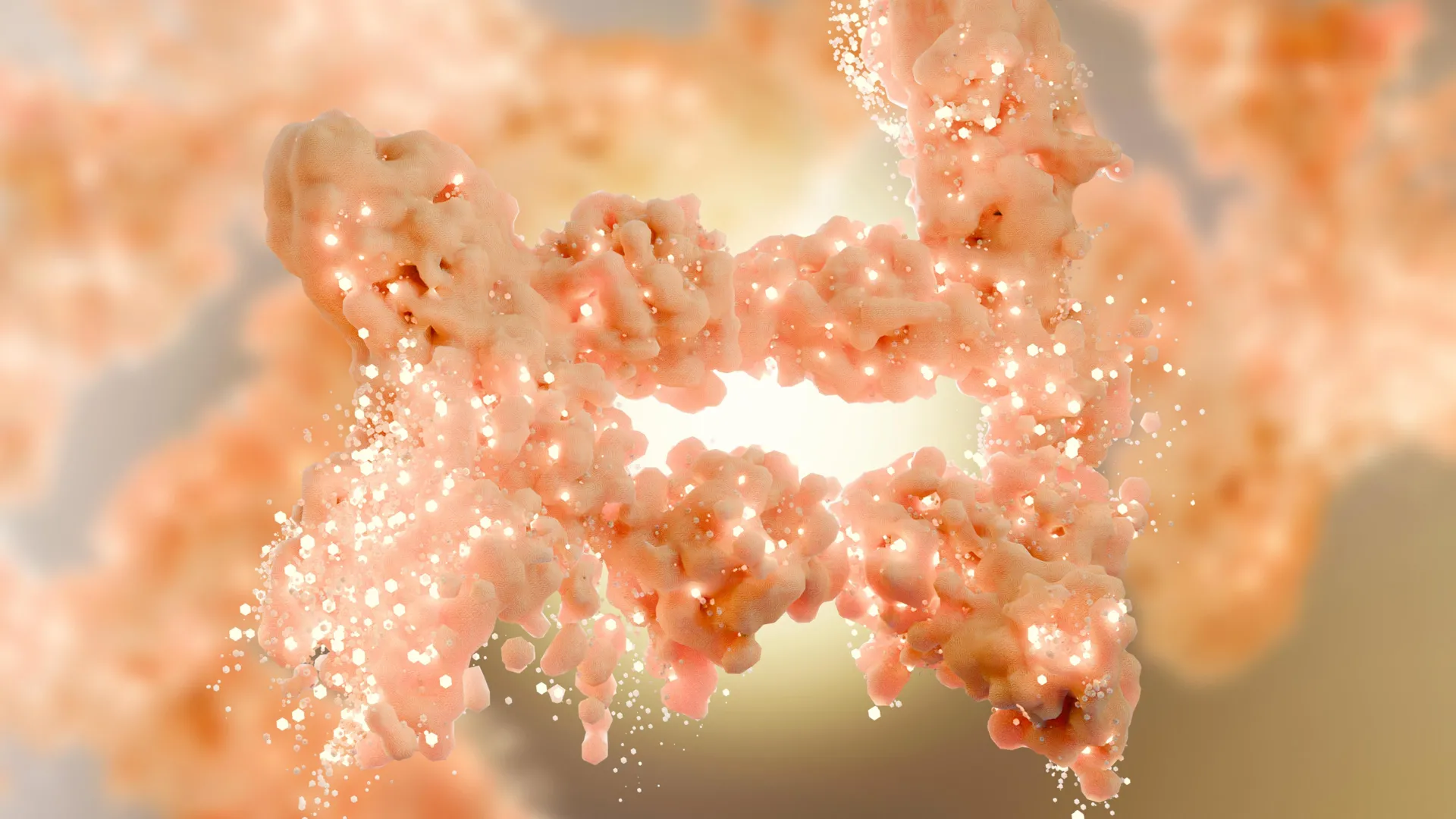
- The ABHD5-ATGL Interaction: Once released, ABHD5 binds to ATGL (adipose triglyceride lipase), an enzyme that initiates the breakdown of triglycerides. The study showed that strength training significantly increased the frequency and efficiency of this binding process.
- Gene Expression: Perhaps most promising was the downregulation of the Scd1 gene. This gene is associated with the synthesis of new fat molecules. By reducing its expression, the body appears to shift from a "storage" mode to a "utilization" mode.
These molecular findings confirm that even without a net loss in body mass, the body’s metabolic "programming" changes. The fat cells shrink because they are being forced to release their contents, and the synthesis of new fat is inhibited.
Official Responses and Expert Perspective
Dr. Leandro Moura, a physician and professor at UNICAMP who serves as the coordinator of ECeBiL, emphasizes the importance of shifting the public perception of fitness success.
"We’ve always heard that physical exercise burns fat and helps you lose weight. But we rarely stop to think about how that happens, how much exercise is needed, and what that fat burning actually means," Dr. Moura stated. "When we are able to maintain the same body weight and observe what happened in the body, we can directly isolate what physical exercise contributed to before weight loss."
Moura’s work challenges the long-standing dogma that aerobic exercise is the sole domain of fat loss, while strength training is reserved strictly for muscle gain. "Both types of exercise activate similar pathways—at different intensities—as well as different pathways," Moura notes. "Therefore, combining the two remains the best recommendation and the best strategy for those who want to lose weight."
Regarding the frustration of the "plateau," Moura offers a message of encouragement: "People tend to think that if they’ve been strength training for two months and haven’t lost weight, it hasn’t done any good. But what we saw is that… the molecular pathways that promote fat accumulation were less active, while those that stimulate fat breakdown were more active."
Implications for Metabolic Health
The implications of this research are vast, particularly for the treatment of metabolic syndrome, diabetes, and obesity-related chronic inflammation.
Visceral Fat vs. Subcutaneous Fat
The focus on mesenteric adipose tissue is vital. Visceral fat is not merely passive storage; it is an active endocrine organ. When it expands due to obesity, it secretes inflammatory cytokines into the bloodstream, which contribute to insulin resistance and cardiovascular disease. By showing that strength training can reduce the size of these cells and improve their metabolic function in just one week, the study provides a roadmap for early-intervention health strategies.
Addressing the Psychological Barrier
The most immediate implication for the general public is the psychological shift. The "scale-only" mentality is a major cause of exercise attrition. By understanding that the body is undergoing positive internal changes—even when the scale remains static—individuals may be more likely to maintain their exercise routines. The study suggests that internal metabolic "repairs" are a prerequisite for long-term weight loss.
Future Research Directions
While the results are groundbreaking, the team at UNICAMP is careful to denote the study’s boundaries. The research was limited to male mice and a specific set of molecular markers. Future investigations are already planned to:
- Monitor Long-Term Outcomes: Tracking the transition from these early-stage molecular changes to the eventual physical weight loss.
- Broaden the Scope: Examining how strength training impacts other fat deposits, particularly the dangerous fat surrounding the heart.
- Human Clinical Trials: Investigating whether the same molecular pathways are triggered with the same speed in human populations.
Conclusion: A New Way to Measure Progress
The UNICAMP study serves as a necessary reminder that the body is a complex, responsive biological system, not a simple calculator of calories in versus calories out. When we engage in strength training, we are doing far more than moving heavy objects; we are signaling to our cells to change their behavior.
For the person staring at the scale in frustration, the science offers a powerful takeaway: your effort is not being wasted. Even when the body weight hasn’t shifted, the internal tide is turning. Your fat cells are shrinking, your inflammatory markers are likely decreasing, and your metabolic machinery is being reactivated. Persistence is not just about changing your appearance; it is about rewriting the biological code of your health, one session at a time.