







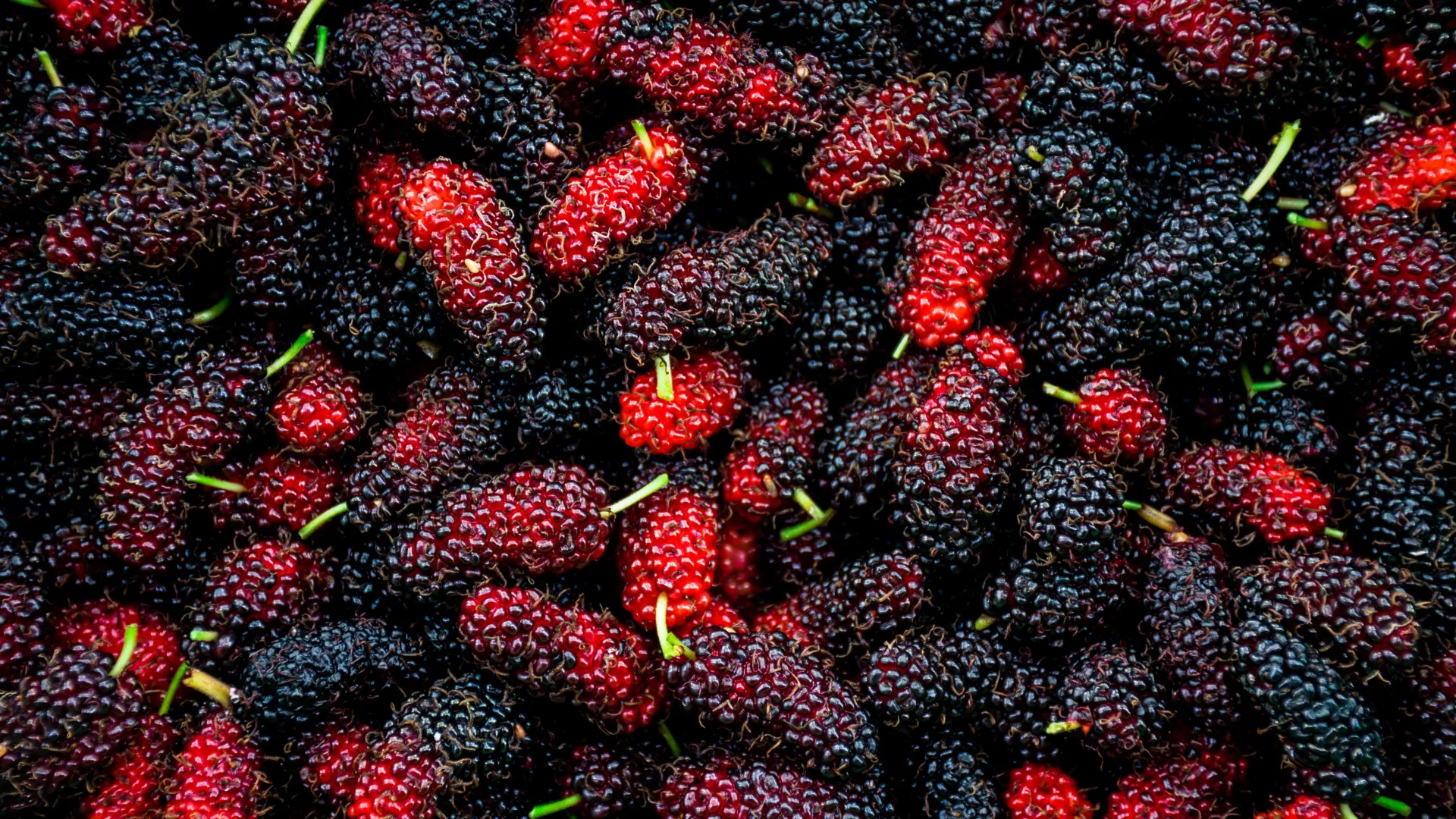
For centuries, the mulberry tree has occupied a place of reverence in traditional medicine cabinets and historical diets across the globe. From the silk-producing regions of Asia to the Mediterranean basin, its leaves and fruit have been utilized as natural remedies for various ailments. Today, however, modern science is revisiting this ancient staple with a high-tech lens. Researchers are investigating whether the complex chemistry of the mulberry plant—specifically its interaction with the human gut microbiota—could hold the key to treating contemporary metabolic disorders.
A comprehensive new review, spearheaded by scientists at Wroclaw Medical University, suggests that we are on the precipice of understanding how these plants modulate the trillions of microorganisms residing in our intestines. Yet, the findings carry a significant caveat: the therapeutic potential of mulberry is not a "one-size-fits-all" scenario. Success, it appears, is dictated by a delicate trifecta of botanical species, the specific part of the plant utilized, and the rigorous scientific standards of its processing.
The Microbiota-Metabolism Connection
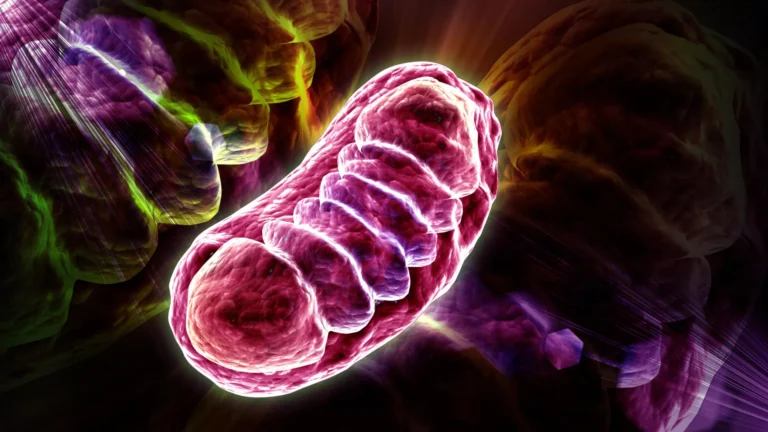
The human gut is home to a vast, complex ecosystem of microorganisms that do far more than simply assist in digestion. Emerging research has firmly established that the gut microbiota is a key player in systemic metabolism, influencing how we process energy, store fat, and manage blood glucose levels.
"The gut microbiota not only contributes to the functioning of the gastrointestinal tract but may also influence metabolism throughout the body," explains Anna Prescha, PhD, DSc, Professor at the Department of Dietetics and Bromatology at Wroclaw Medical University. "Mulberry is particularly interesting in this respect because it contains numerous bioactive compounds, including polyphenols and polysaccharides, which may interact with gut microorganisms to produce favorable physiological changes."
These bioactive compounds act as prebiotics—substrates that are selectively utilized by host microorganisms, conferring health benefits. When gut microbes ferment these mulberry-derived materials, they produce short-chain fatty acids (SCFAs) such as acetate, propionate, and butyrate. These SCFAs are critical; they serve as a primary energy source for colon cells, modulate inflammation, and play a vital role in maintaining the integrity of the intestinal barrier.
A Botanical Blueprint: Why Composition Matters
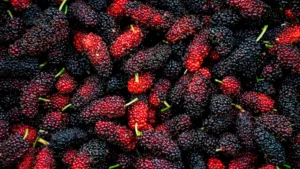
One of the primary revelations from the Wroclaw review is that not all mulberries are created equal. The scientific community has historically focused on the white mulberry (Morus alba), prized for its presence in traditional Chinese medicine. However, the black mulberry (Morus nigra) is emerging as a potent rival, particularly regarding its fruit, which offers a different profile of health-promoting nutrients.
The Leaf vs. The Fruit
The chemical composition of mulberry varies drastically between the leaves and the fruit. Mulberry leaves are a rich source of 1-deoxynojirimycin (DNJ), an iminosugar that has gained attention for its ability to inhibit alpha-glucosidase, an enzyme that breaks down carbohydrates. By slowing the absorption of sugar, DNJ can play a direct role in regulating carbohydrate metabolism.
Conversely, black mulberry fruit is a powerhouse of anthocyanins—the pigments responsible for its deep, dark hue. These flavonoids are potent antioxidants that, when coupled with the fruit’s unique polysaccharide structure, create a distinct biological profile.
The Processing Paradox
Perhaps the most significant finding for the supplement and functional food industry is the impact of processing. The researchers emphasize that the "recipe" used to create a mulberry extract is as important as the raw material itself. Drying, fermentation, and extraction techniques can significantly alter the molecular structure of bioactive compounds.
For instance, the review highlights that polysaccharides extracted from black mulberry fruit vary in efficacy based on the extraction method used. Water extraction combined with the use of the enzyme pectate lyase has been shown to produce fractions with the highest "prebiotic potential." When the structure of these polysaccharides is altered—even slightly—it changes which specific strains of bacteria can "feed" on them, which in turn dictates the metabolic output of the microbiome.
Chronology of a Scientific Inquiry: From Student Idea to Peer-Reviewed Review
The journey of this research project is a testament to the power of interdisciplinary academic collaboration. The inquiry began within the halls of Wroclaw Medical University as a project of the Nutri-Sfera Student Research Group.
Two students—Marta Miszczak from the Dietetics program and Karolina Kłosowska-Buryło from the Pharmacy program—proposed the topic. Their vision was to bridge the gap between nutritional science and pharmacology. By combining a deep knowledge of plant chemistry with an understanding of human metabolic processes, they were able to frame the research in a way that moved beyond the traditional view of mulberries as simple "superfoods."
"This fitted very well with the interdisciplinary nature of the study," says Prof. Prescha. "It combined a perspective on mulberry as a plant material with a specific composition with an analysis of its potential effects on the microbiota and metabolism."
Over the following months, the team synthesized existing literature, scrutinized extraction protocols, and mapped out how specific chemical markers in the plant correlate with microbial shifts in animal models. This academic endeavor ultimately resulted in a sophisticated review that challenges current industry standards for herbal supplementation.
Supporting Data: The Case for Synergy
One of the most compelling aspects of the Wroclaw team’s findings involves the synergy between different compounds within the mulberry plant. In many modern nutritional studies, there is a tendency to isolate a single "active ingredient" (such as a specific polyphenol). However, the mulberry data suggests that the "entourage effect"—where multiple compounds work in concert—is far more effective.
In experimental trials involving mice fed a high-fat diet, the researchers observed a phenomenon that could reshape metabolic research. When the mice were administered a fraction containing both polyphenols and polysaccharides from white mulberry fruit, the beneficial changes in their gut microbiota were significantly more pronounced than when either fraction was administered in isolation.
These microbial shifts were not merely cosmetic; they translated into tangible health improvements. The mice showed enhanced markers related to metabolic syndrome—such as improved glucose tolerance and healthier lipid profiles—and reduced systemic inflammation. Furthermore, in a microbiota transplantation experiment, the researchers transferred the gut bacteria from the "mulberry-treated" mice into other subjects. The recipients of this transplant displayed similar metabolic improvements, providing strong evidence that the mulberry-induced changes in the gut microbiome were a primary driver of the improved health outcomes.
Implications and Future Horizons
The implications of these findings are far-reaching. If a standardized mulberry preparation can be developed that consistently alters the gut microbiome to improve metabolic health, it could provide a natural, low-cost adjunct therapy for those struggling with obesity, insulin resistance, or pre-diabetes.
The "Human" Gap
Despite the excitement surrounding these results, the research team remains cautiously grounded. The primary hurdle is the current lack of human clinical trials. "The available findings are promising," Prof. Prescha notes, "but at this stage, they do not allow us to determine whether the relationships observed in experimental models between mulberry preparations, the microbiota, and metabolism also occur in humans."
Translating findings from mice to humans is notoriously difficult, particularly when dealing with the microbiome, which is highly individual and influenced by geography, diet, and genetics. Furthermore, the variability in how different human subjects metabolize plant-based polyphenols means that a standard dose might have vastly different effects from one person to the next.
Toward Standardized Clinical Trials
To move this research into the clinical phase, the researchers argue that the industry must move away from "crude" extracts. Clinical trials will require:
- Characterization: Every preparation must be chemically fingerprinted to understand the exact ratios of polyphenols, polysaccharides, and DNJ.
- Standardization: Extraction methods must be consistent so that results can be replicated across different research centers.
- Longitudinal Analysis: Studies must track not only the short-term effects on the microbiome but also long-term metabolic markers in human subjects.
Conclusion: A Future Rooted in Complexity
The story of the mulberry is shifting from one of folk tradition to one of precision science. While we are not yet at the stage where a "mulberry pill" can replace medication for metabolic disorders, the foundational research provided by the team at Wroclaw Medical University offers a clear roadmap.
The future of metabolic health may not lie in the discovery of a new, synthesized drug, but in the intelligent application of ancient plants—provided we learn to respect the complexity of the botanical world and the intricate, invisible ecosystem within our own guts. As Prof. Prescha concludes, the goal is not to find a single "magic bullet" but to determine which specific combinations of species, processing methods, and biological compositions yield the most profound health benefits. In the world of the microbiome, the details are everything.