







Featured Buzz – January 11, 2026
The landscape of respiratory medicine is undergoing a profound transformation, driven by the convergence of artificial intelligence (AI), advanced imaging, and molecular diagnostics. As clinical systems face increasing pressure to provide earlier, more accurate interventions, three recent breakthroughs—ranging from AI-driven ECG interpretation to neonatal ultrasound and molecular biomarkers—are providing clinicians with powerful new tools. These developments, recently detailed in high-impact medical journals, promise to reshape how we detect, monitor, and treat conditions from Chronic Obstructive Pulmonary Disease (COPD) to critical lower respiratory tract infections (LRTIs).
1. AI-Driven ECGs: A New Horizon for COPD Screening
Chronic Obstructive Pulmonary Disease (COPD) remains one of the most underdiagnosed global health crises. Often undetected until the disease has significantly progressed, COPD typically requires spirometry—a test that requires patient effort and specialized equipment—for formal diagnosis. A landmark study from the Mount Sinai Health System suggests that a ubiquitous clinical tool, the electrocardiogram (ECG), may hold the key to earlier detection.
The Methodology of Machine Learning
The research team, led by investigators at Mount Sinai, sought to determine if deep learning could identify subtle patterns in ECG waveforms that correlate with COPD. By harnessing a massive dataset of 208,231 ECGs from 18,225 patients diagnosed with COPD across five New York-area hospitals, and comparing them against 552,771 ECGs from 59,356 age-, sex-, and race-matched controls, the team trained a Convolutional Neural Network (CNN).
The model was tasked with identifying features within the electrical signals of the heart that reflect the physiological changes caused by chronic lung damage, such as pulmonary hypertension and right ventricular strain. The resulting AI tool was subjected to rigorous validation across three distinct cohorts, including an external validation group consisting of 258 COPD cases and 1,290 matched controls.
Clinical Implications and Future Outlook
While the authors emphasize that ECG-based AI will not replace the gold-standard spirometry, they advocate for its use as a "pragmatic screening tool" in routine care. By flagging high-risk individuals during standard heart health screenings, clinicians can initiate timely smoking cessation programs, targeted pulmonary rehabilitation, and early pharmacological interventions. The study, published in eBioMedicine, posits that this model could significantly reduce the healthcare burden by shifting the clinical paradigm from reactive to proactive disease management.
2. Neonatal Precision: Lung Ultrasound and Extubation Success
For the most vulnerable patients in the neonatal intensive care unit (NICU), the process of weaning from mechanical ventilation is a high-stakes clinical event. Failed extubation in very low birth weight (VLBW) infants is associated with prolonged hospital stays and increased morbidity. A study from the University of Chicago, published in the Journal of Perinatology, provides a evidence-based pathway to optimize this transition.
The Role of Lung Ultrasound (LUS)
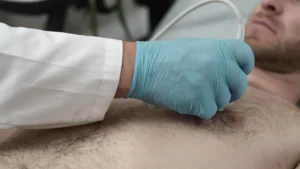
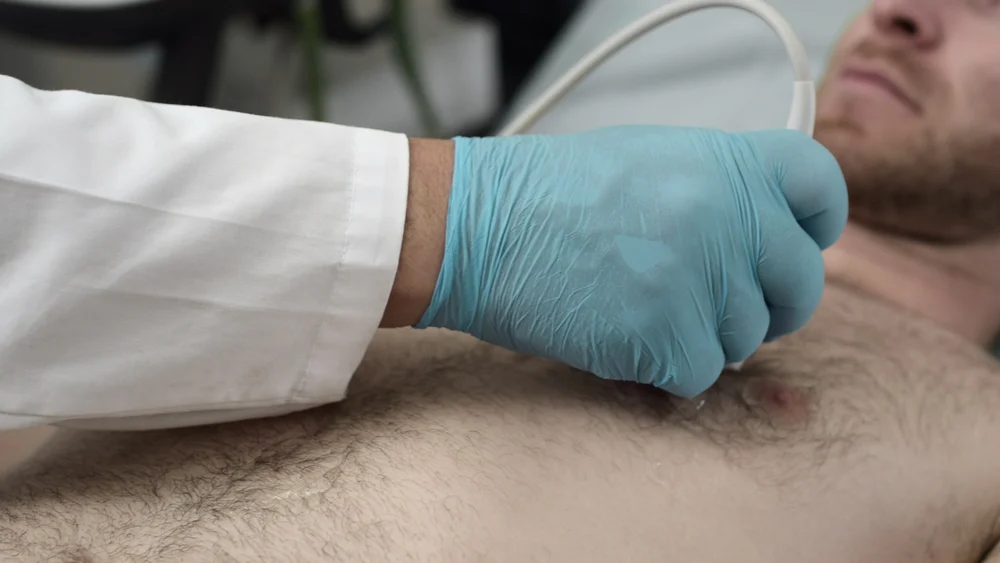
The study focused on 45 VLBW infants who had been intubated for respiratory distress syndrome. Throughout the study, 53 extubation attempts were monitored. The researchers utilized a neonatal-adapted Lung Ultrasound (LUS) score, performed three to six hours prior to each attempt, to assess lung aeration and fluid status.
The research revealed that the LUS score acts as a superior predictor of success. Infants with higher LUS scores (indicating better lung aeration) were significantly more likely to be successfully extubated. Notably, the study also addressed the common use of dexamethasone, finding that its administration was not associated with lower LUS scores, providing clinicians with clarity on the physiological effects of the treatment during the weaning phase.
Impact on Neonatal Care
The ability to objectively "score" lung readiness provides a much-needed standardized metric for neonatologists. By incorporating LUS into daily rounds, NICU teams can minimize the trauma of failed extubations, ultimately improving the long-term pulmonary outcomes for preterm infants.
3. Combating Inappropriate Antibiotic Use in Critically Ill Patients
One of the most persistent challenges in intensive care medicine is the rapid, accurate diagnosis of lower respiratory tract infections (LRTIs) like pneumonia. The overuse of antibiotics in the ICU, often driven by the difficulty of distinguishing between colonization and true infection, contributes to the rise of multi-drug resistant organisms. Researchers at the University of California, San Francisco (UCSF), have unveiled a sophisticated AI-driven solution to this problem.
The Synthesis of Biomarkers and Generative AI
The UCSF team developed a diagnostic model that merges molecular data with clinical narratives. The system targets a specific gene, FABP4, found in lung fluid. FABP4 is known to modulate inflammation and is expressed at lower levels in infected lung cells compared to healthy ones. By combining this host biomarker with a generative AI model—capable of parsing chest X-ray reports and complex clinical notes from electronic medical records—the researchers created a powerful diagnostic engine.
In an observational study involving critically ill adults, the model demonstrated a 96% diagnostic accuracy rate, significantly outperforming traditional ICU clinical assessments.
A Path to Antibiotic Stewardship
The implications for antibiotic stewardship are profound. The study authors estimate that widespread implementation of this model—which is designed to interface with HIPAA-compliant GPT-4 platforms—could reduce inappropriate antibiotic prescriptions by more than 80%. As the team moves to validate the tool for clinical use, they are also expanding the scope of their research to include the diagnosis of sepsis, potentially creating a new standard for precision medicine in the ICU.
Synthesis: The Future of Diagnostic Medicine
The common thread connecting these three studies is the shift toward "intelligent" diagnostics. Whether by analyzing the heart’s electrical rhythm, the visual patterns of lung ultrasound, or the molecular footprint of inflammation, technology is moving toward identifying disease long before traditional methods.
Chronology of Developments
- Early 2026: AI and molecular diagnostic tools reach a pivotal moment, with three major studies published in eBioMedicine, the Journal of Perinatology, and Nature Communications.
- Developmental Phases: These tools have moved from theoretical AI modeling to rigorous external validation across multi-hospital cohorts.
- Current Status: Clinicians are now looking at the integration phase—how to fold these digital tools into existing EMR workflows and clinical protocols.
Official Responses and Ethical Considerations
Medical experts have lauded these advancements for their potential to alleviate clinician burnout by automating complex decision-making processes. However, the researchers are careful to note the ethical imperatives of AI in medicine. "Earlier recognition facilitates timely therapy," the Mount Sinai team noted, but they stress that AI must remain an adjunct to, rather than a replacement for, clinical judgment.
The UCSF team echoed this sentiment, emphasizing that the "human-in-the-loop" approach, where clinicians use AI to interpret biomarkers, remains the safest model for ICU care. By providing physicians with better data, these models do not replace the clinician; they empower them to make more precise, life-saving decisions.
Implications for Healthcare Policy
The integration of these technologies into the standard of care will likely require updates to hospital infrastructure, particularly regarding data privacy and the integration of GPT-4 and other Large Language Models (LLMs) into hospital systems. Furthermore, as these tools demonstrate the ability to cut costs—specifically by reducing ICU length of stay and preventing unnecessary antibiotic treatment—they are expected to garner significant interest from hospital administrators and public health policymakers.
As we look toward the remainder of 2026, the success of these diagnostic breakthroughs suggests that the future of pulmonary care is not just about newer drugs or more invasive procedures—it is about the power of information. By transforming raw data from ECGs, ultrasounds, and gene expression into actionable clinical intelligence, we are entering an era where the diagnosis of even the most complex lung conditions can be swifter, safer, and more accurate than ever before.