









In the landscape of public health, few environmental threats have garnered as much alarm as per- and polyfluoroalkyl substances (PFAS). Known colloquially as "forever chemicals" for their stubborn resistance to environmental and biological degradation, these synthetic compounds have permeated nearly every corner of the globe. While legacy PFAS—such as PFOA and PFOS—have dominated headlines and regulatory debates for decades, a groundbreaking new study from the University of Southern California (USC) suggests that we have been looking at only the tip of the iceberg.
The research, published in the journal Environmental Health Perspectives, identifies two lesser-known PFAS compounds—PFHpA and PFNA—as significant drivers of liver cancer. Perhaps most alarmingly, the study reveals that the danger is not uniform; individuals with a genetic predisposition to fatty liver disease face a substantially heightened risk, creating a "one-two punch" of environmental exposure and inherited susceptibility.
The Anatomy of the Study: A Retrospective Deep Dive
To uncover the link between these chemicals and hepatocellular carcinoma (HCC)—the most common and lethal form of liver cancer—researchers turned to the Multiethnic Cohort Study (MEC). Since the 1990s, the MEC has tracked over 215,000 residents of California and Hawaii, creating a robust, ethnically diverse repository of health data.
The USC team utilized a case-control design, analyzing blood samples from 223 participants who were eventually diagnosed with HCC, comparing them against 223 healthy controls matched for age, sex, and ethnicity. Crucially, the samples used in this study were collected an average of 7.8 years before the cancer diagnosis, allowing scientists to observe the "molecular fingerprint" of exposure well before clinical symptoms emerged. By analyzing 12 different PFAS compounds, the team isolated PFHpA and PFNA as having statistically significant associations with liver cancer.
Chronology: From Legacy Chemicals to New-Age Threats
The history of PFAS is a cautionary tale of industrial convenience. Since their introduction in the mid-20th century, PFAS have been used in everything from nonstick cookware and waterproof fabrics to food packaging and firefighting foam. Because they do not break down, they accumulate in soil, groundwater, and human tissue.
The Shift in Focus
For years, regulatory scrutiny focused on the "legacy" compounds PFOA and PFOS. These chemicals were eventually phased out due to mounting evidence of their toxicity. However, industry often replaced these legacy chemicals with newer alternatives, such as PFHpA. The assumption was that these newer variants might be safer; however, the USC study suggests that the scientific community may have simply swapped one set of risks for another.
"PFOA and PFOS have received much of the scientific and regulatory attention," notes senior author Dr. Vaia Lida Chatzi, a professor of population and public health sciences at the Keck School of Medicine of USC. "Our findings show why we need to look beyond those legacy compounds. We can miss important associations with liver health if we study only the chemicals we already know best."
Supporting Data: The Magnitude of the Risk
The findings present a sobering statistical reality. The researchers categorized participants based on their blood concentrations of these chemicals. Those whose exposure levels fell into the highest 25% were found to have between two and two-and-a-half times the odds of developing liver cancer compared to those in the lowest exposure group.
This data is particularly concerning given the global prevalence of PFAS. With measurable concentrations found in the blood of 99% of the global population and nearly half of all U.S. public water systems contaminated, the potential for widespread, long-term health impacts is immense. The survival rate for hepatocellular carcinoma remains bleak, with a five-year survival rate of less than 20%, making the identification of environmental drivers like PFAS a matter of urgent public health priority.
The Genetic Interplay: Why Some Are More Vulnerable
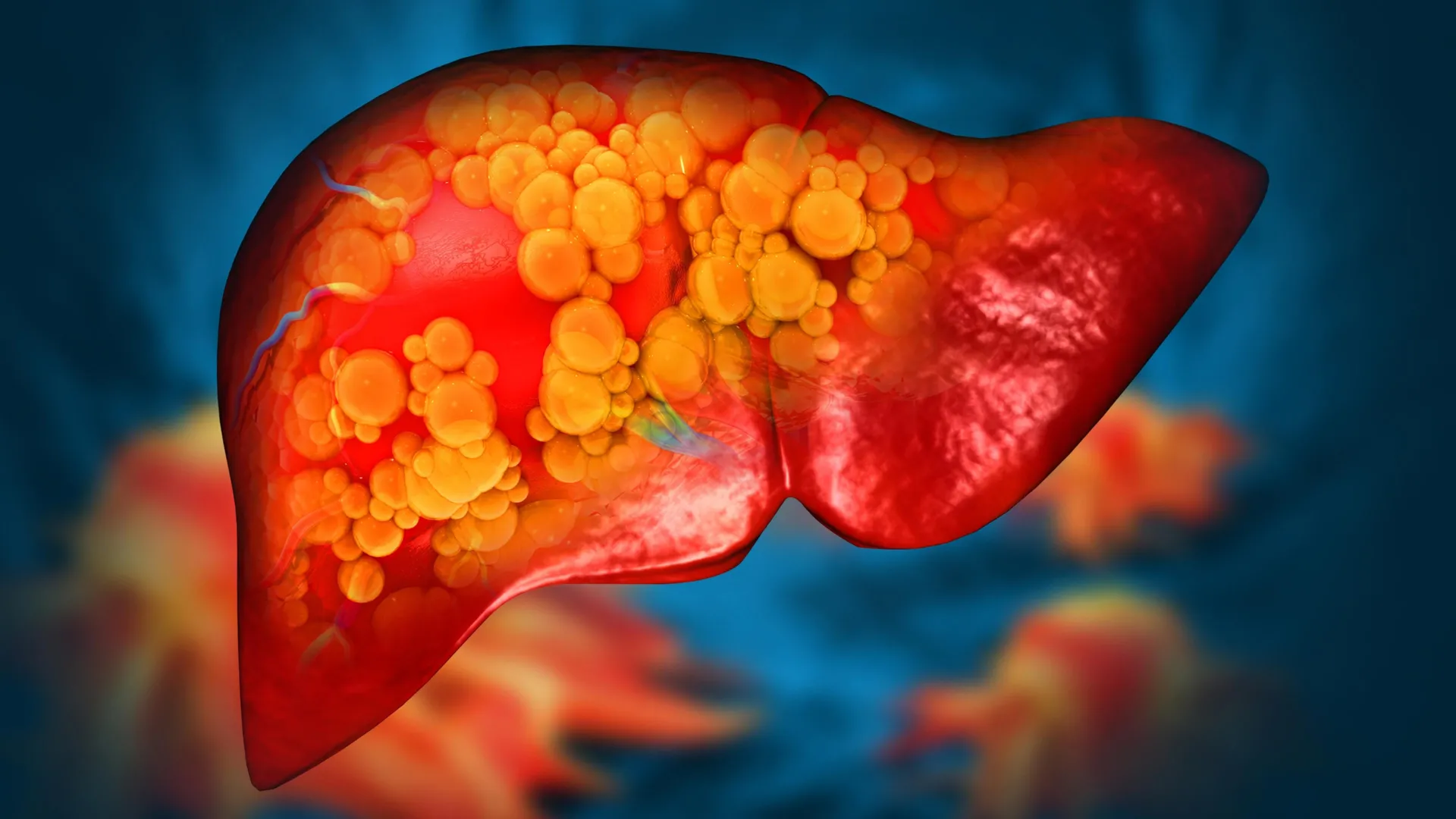
Perhaps the most innovative aspect of the USC study is its exploration of genetic interaction. The liver is the body’s primary metabolic filter, tasked with processing fats and toxins. When that system is disrupted, it can lead to metabolic dysfunction-associated steatotic liver disease (MASLD), or fatty liver disease.
The researchers developed a "polygenic risk score"—a metric that estimates an individual’s inherited likelihood of developing fatty liver disease. When they cross-referenced this score with PFAS exposure, the results were striking. The association between PFHpA exposure and liver cancer was significantly stronger in individuals with high genetic susceptibility to fatty liver disease. Conversely, this association was not statistically significant in those with low genetic risk.
This indicates that for many, liver cancer is not solely the result of "bad luck" or genetics, but rather the result of an environmental catalyst triggering a latent genetic weakness. As lead author Dr. Jesse Goodrich explains, it is a "one-two hit: first, your genes and then PFAS impacting this pathway."
Official Responses and Scientific Implications
The academic community has reacted with significant interest to these findings, particularly as they align with broader research from the National Cancer Institute (NCI). Just two months prior to the USC publication, an NCI study reached similar conclusions regarding the link between PFHpA and liver cancer, providing vital independent verification of the USC team’s data.
The study has also served as the inaugural output for a new program at the USC Norris Comprehensive Cancer Center, which is dedicated to investigating the environmental causes of cancer. Backed by $3.4 million in funding from the National Institutes of Health (NIH) and the National Institute of Environmental Health Sciences (NIEHS), the team is now positioned to expand their scope.
"This first paper from our NIH-funded study is an important step," says Dr. V. Wendy Setiawan, a senior author and professor at the Keck School of Medicine. "We hope this work will help build the evidence needed to reduce harmful exposures and inform prevention efforts for diverse communities."
Implications for Public Health and Prevention
While the news of "forever chemicals" can feel overwhelming, the researchers emphasize that their findings offer a pathway toward actionable prevention. Understanding that PFAS disrupt the liver’s fat-processing capabilities gives patients and doctors a new target for intervention.
Screening and Mitigation
- Targeted Screening: For individuals with a family history of fatty liver disease or those who know they have high-risk genetic markers, testing for PFAS exposure could eventually become a standard component of preventative medicine. Early detection of HCC is the single most significant factor in improving survival rates.
- Environmental Controls: Dr. Goodrich points out that, unlike genetic factors, environmental exposure is something that can be modified. "You can make lifestyle and diet changes, and there are certain types of water filters you can put in that can reduce exposure," he says. High-quality carbon block or reverse osmosis filters have shown efficacy in removing many types of PFAS from drinking water.
- Policy Advocacy: The study underscores the need for a regulatory shift. If the most dangerous chemicals are not the ones currently under the most scrutiny, then regulatory bodies like the EPA must broaden their scope to include the emerging generation of PFAS compounds.
Future Directions: A Holistic View of Health
The research team at USC is not stopping at liver cancer. Their long-term goal is to build a comprehensive map of how environmental chemical exposure throughout a person’s lifetime contributes to the full spectrum of chronic disease. By continuing to leverage the Multiethnic Cohort, they aim to uncover how different populations, often living in areas with varying levels of environmental contamination, experience disparate health outcomes.
As we move forward, the "forever chemicals" narrative is evolving from a vague environmental concern into a precise, targeted medical issue. The lesson of this study is clear: the chemicals we ignore are often the ones most capable of causing harm. By combining genetic data with environmental science, researchers are finally beginning to peel back the layers of a complex, systemic threat—offering a glimmer of hope that through better data, better filters, and better policy, we can mitigate the risks posed by the legacy of the industrial age.
For the average citizen, the study serves as a reminder that health is a product of both our inner biology and our outer environment. As science continues to uncover the mechanisms behind these invisible toxins, the path toward a safer future will be paved by those willing to look closer at what we consume, what we drink, and the genetic foundations that define how we respond to the world around us.