










November 28, 2026
For four years, residents of Pittsburgh’s historic Hill and Homewood districts opened their doors, their medical records, and their personal histories to researchers. They participated in memory tests, wore devices to track sleep patterns, monitored their blood pressure, and shared intimate stories of their lives. The goal was simple yet profound: to help scientists unravel the biological and environmental mysteries behind why Black Americans are twice as likely as their white counterparts to develop Alzheimer’s disease.
Today, those participants are left with nothing but unanswered questions. The landmark study, which was in its final, fifth year, was abruptly halted by the National Institutes of Health (NIH) under the Trump administration’s recent policy shift. The decision has effectively wasted more than $8 million in taxpayer funds and, more damagingly, has severed the fragile bridge of trust between the medical establishment and a community that has historically been marginalized by it.
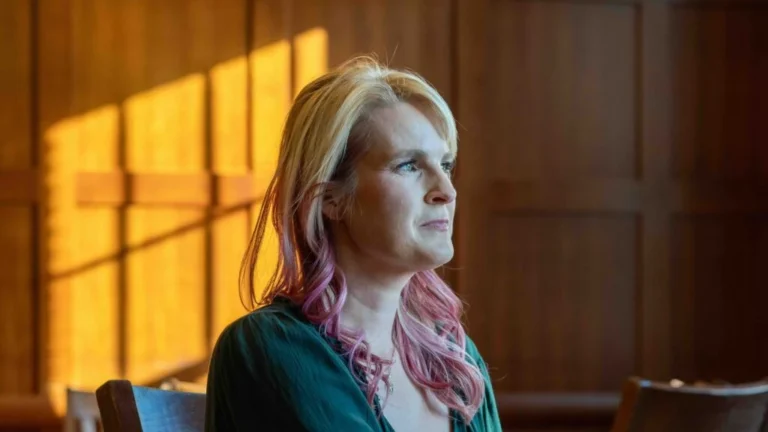
"You lose trust a hell of a lot faster than you build it," says Dr. Ann Cohen, a director at Pittsburgh’s Alzheimer’s Disease Research Center. Her own research, a study complementary to the main project, was also terminated after three years and $5.2 million in spending.
As the dust settles on these cancellations, the scientific community is reeling. What the administration labels as a pivot toward "rigorous research" and away from "DEI-laden" projects, researchers describe as a politically motivated dismantling of essential science that risks leaving the most vulnerable populations behind.
The Chronology of a Collapse
The dismantling of these research programs did not happen overnight, but rather followed a systematic review process that researchers claim was weaponized against projects studying racial health disparities.
- The Build-Up (2021–2025): Projects like the Pittsburgh Alzheimer’s study and Dr. Negar Fani’s neuropsychological research at Emory University were vetted, peer-reviewed, and granted multi-year federal funding. These studies were designed to examine the intersection of systemic factors—such as discrimination and socioeconomic status—and biological outcomes.
- The Policy Pivot (2025–2026): Following a directive from the Trump administration to audit federal spending, the NIH began targeting grants that included keywords such as "disparities," "minority," and "racial." The administration argued that such studies were mislabeled as "Diversity, Equity, and Inclusion" (DEI) initiatives rather than legitimate medical research.
- The Termination Phase (July 2026–Present): Dr. Negar Fani’s $2.9 million project, which sought to measure how daily experiences of racial discrimination impact the brain, was terminated in July. By the end of the year, numerous studies across the country were similarly defunded, often mid-stream.
- The Legal Response (Late 2026): Researchers, including Dr. Andrea Rosso and Dr. Ann Cohen in Pittsburgh, joined a growing wave of lawsuits against the NIH and the Department of Health and Human Services (HHS), challenging the arbitrary nature of the funding cuts.
The Human Cost: "They’re Leaving Us Hanging"
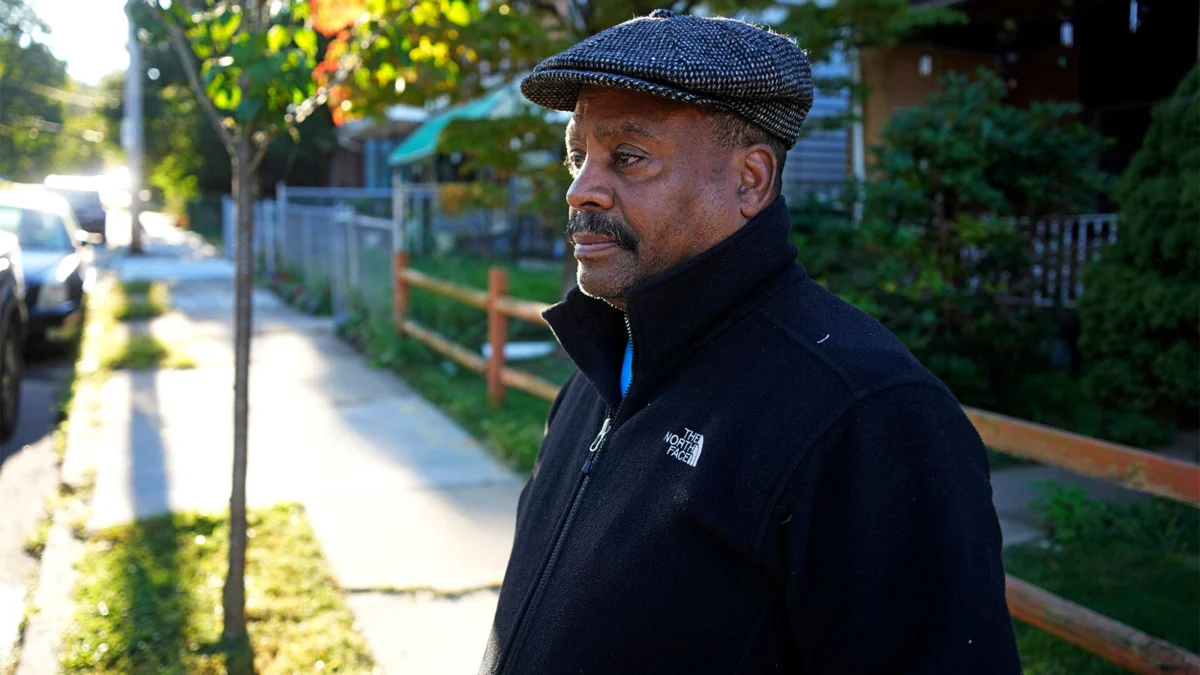
For participants like 70-year-old Roderick Blair, the study was more than just a medical trial; it was a commitment to the future of his community. "The community will look like, ‘Oh, they came in here, they took all our stuff, they checked us out. Now they’re gonna leave us hanging,’" Blair says.
This sentiment is echoed by field coordinators like La’Vette Wagner, who spent years overcoming deep-seated skepticism within the Black community. Historical traumas, most notably the Tuskegee syphilis study, have created a legacy of medical mistrust that is difficult to navigate. By engaging directly with Hill and Homewood residents, Wagner’s team had successfully shifted the conversation around memory loss from a taboo, "natural" part of aging to a medical condition that could be managed.
Now, that progress is in jeopardy. More than half of Black Americans—55%—mistakenly believe that significant memory loss is a normal part of aging. The Pittsburgh study was designed to combat this misconception. With the study now aborted, those participants who were flagged for potential cognitive issues may never receive the follow-up care they were promised. Their data is effectively "stuck on a shelf," and the participants themselves are left wondering if the signs of trouble they were concerned about were ever truly evaluated.
A Question of Science vs. Ideology
The core of the dispute lies in the classification of the research. The NIH, under the current administration, has justified these cuts by claiming that "massive amounts of DEI grants have failed to translate into better health outcomes."
A spokesperson for the HHS stated: "Following President Trump’s directives, NIH is shifting money into rigorous research that will help Americans—including minority populations—live longer, healthier lives."
However, researchers involved in the terminated projects vehemently disagree with the "not science" characterization. Dr. Negar Fani, whose study was labeled as "subjective," emphasizes that her work is pure neuroscience. "It’s simply brain science research," she says. "It is not a political statement to observe that the lived experience of discrimination creates measurable physiological stress in the human brain."
Experts point to a broader decline in research stability. A recent report from the Association of American Medical Colleges (AAMC) shows that in 2026, the NIH awarded 2,000 fewer grants for multiyear studies compared to the previous year, representing a $200 million reduction in funding for long-term inquiry.
Jill Rosenthal, director of public health policy at the Center for American Progress, characterizes the trend as an unprecedented interference in scientific autonomy. "Many of the decisions are based on political biases and based on what politicians think is valuable rather than peer review processes, evidence-based decisions about where to invest our research dollars," Rosenthal says. "We’re wasting resources, we’re wasting the opportunity to identify cures for diseases."
Implications for Future Health Equity
The implications of these cuts extend far beyond the balance sheets of federal agencies. There are immediate, practical ethical dilemmas: What happens to the biological samples—the blood and tissue collected from thousands of participants? Who owns the data? And, most importantly, how do researchers go back to these communities to ask for participation in future studies?
1. The Ethical Vacuum
When a study is terminated, the ethical obligation to the participants does not vanish. Researchers are now struggling with how to inform volunteers that their data will not be analyzed and that no clinical follow-up will be provided. For elderly participants worried about Alzheimer’s, this abandonment is not just a bureaucratic inconvenience; it is a profound failure of care.
2. The Widening Knowledge Gap
If the NIH continues to avoid research into why specific populations face higher risks for chronic diseases, the medical community will remain blind to the interventions needed to close those gaps. Alzheimer’s is a growing public health crisis; by ignoring the unique environmental and systemic factors affecting Black populations, the government is effectively narrowing the scope of medical knowledge.
3. A Legacy of Mistrust
The most lasting damage may be the setback to medical research participation. Trust is a finite, hard-won resource. In the Hill and Homewood communities, where researchers spent over a decade building relationships, the feeling of betrayal is palpable. As Roderick Blair noted, "It’s going to take years to reestablish something that was moving pretty good."
Conclusion: A Turning Point for Federal Science
The current conflict represents a fundamental clash between two philosophies of governance. On one side, the administration argues that the federal government must prioritize "hard science" over social-focused research, which they view as a misuse of public funds. On the other side, scientists argue that biology cannot be divorced from social context and that failing to study disparities is a failure of scientific rigor itself.
As the lawsuits proceed, the scientific community is waiting to see if the judiciary will intervene in the administration’s funding directives. Until then, the lights remain off in the labs that were once filled with the promise of better health outcomes for all Americans.
The findings that were meant to change the trajectory of Alzheimer’s care for thousands of families remain locked away, and the people who contributed their time and trust are left with a bitter lesson: in the current political climate, the pursuit of health equity is increasingly viewed not as a necessity, but as a liability.