










For millions of women, National Mammography Day serves as a critical annual reminder of the power of early detection. It is a day dedicated not just to the routine of an appointment, but to understanding the science, the limitations, and the future of how we identify breast cancer. While the mammogram remains the gold standard in diagnostic screening, the landscape of breast health is shifting. As medical technology advances, our ability to intercept cancer before it manifests as a clinical tumor is transforming from a distant goal into a tangible reality.
The Foundation: Why Early Detection Remains Paramount
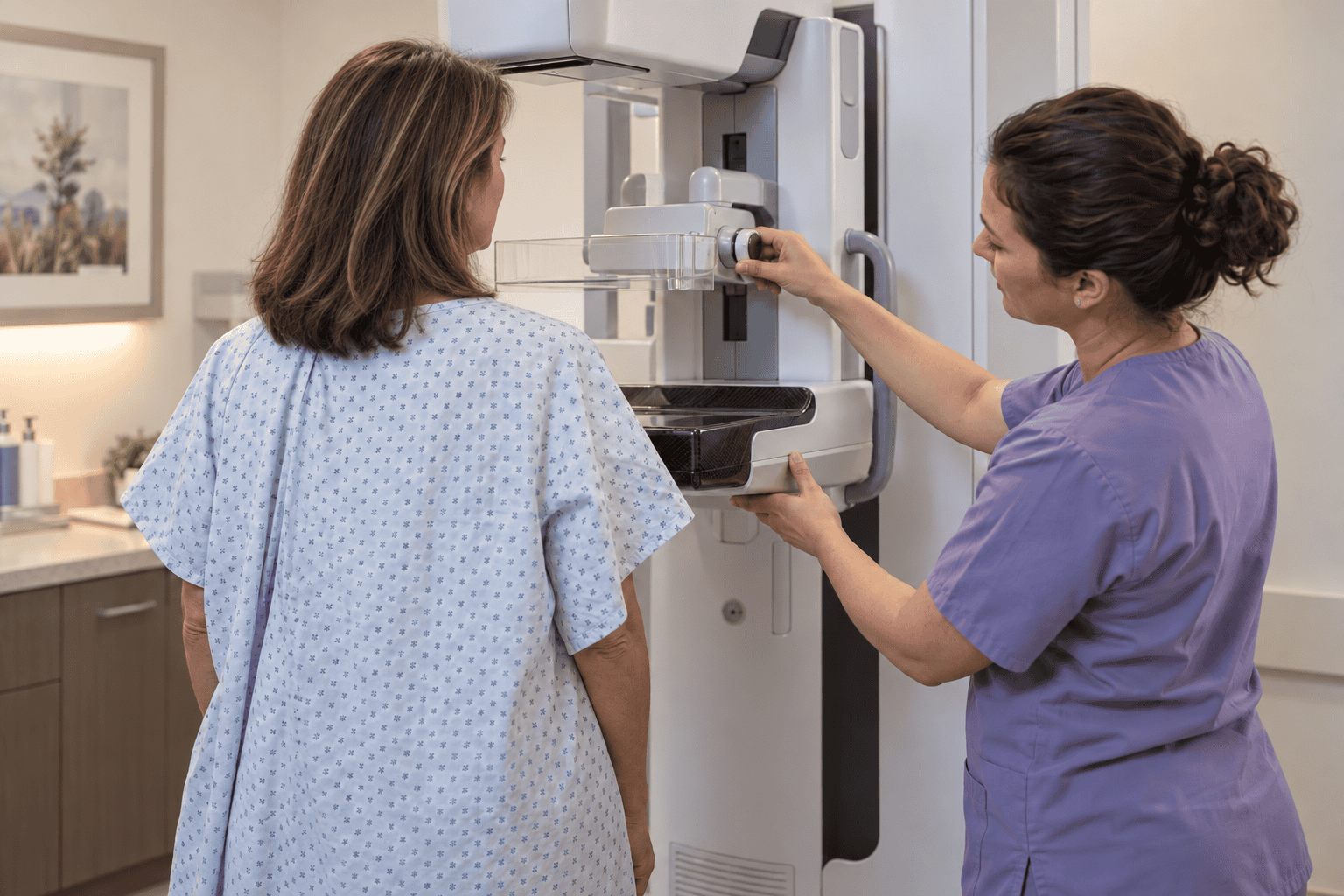
At its core, a mammogram is a specialized X-ray designed to detect breast changes—such as microcalcifications or masses—that are often too small to be felt during a self-examination or a clinical exam. By identifying these anomalies before they progress into palpable symptoms, clinicians gain a vital window of opportunity.
The Statistical Reality of Staging
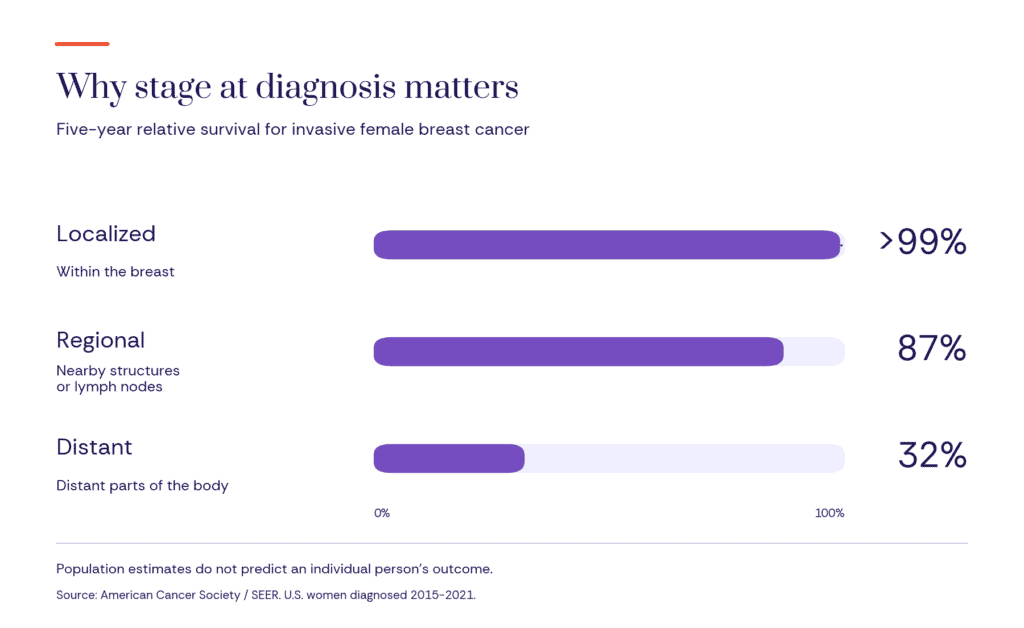
The significance of early detection is best illustrated by survival metrics. According to data from the Surveillance, Epidemiology, and End Results (SEER) program, the timing of a diagnosis is inextricably linked to prognosis.
- Localized Disease: When breast cancer is detected while still confined to the breast, the five-year relative survival rate exceeds 99%.
- Regional Disease: If the cancer has spread to nearby lymph nodes, the rate adjusts to approximately 87%.
- Distant Disease: In cases where the cancer has metastasized to other parts of the body, the five-year survival rate drops to roughly 32%.
While these population-level figures cannot predict an individual’s specific clinical outcome, they underscore a universal medical truth: the stage at which cancer is identified dictates the efficacy of subsequent therapeutic interventions.

The Clinical Evolution: From Detection to Interception
Historically, the medical community has viewed "screening" as the act of finding a tumor. However, the paradigm is currently shifting toward "interception"—the practice of identifying biological markers and immune signatures that precede the formation of a physical tumor.
The Role of Immunotherapy and Prevention
Researchers are moving beyond merely observing the presence of a mass. Current studies are diving into the tumor microenvironment, genetic predispositions, and the early immune system responses that signal the genesis of malignant growth. Organizations like the Cancer Research Institute (CRI) are spearheading this shift, notably through initiatives like the 2027 Clinic and Laboratory Integration Program (CLIP). By focusing on immune-based cancer prevention, scientists hope to develop methods that can halt the disease process before it requires more aggressive, traditional treatments.

Navigating the Mammogram: Seven Essential Truths
To demystify the screening process, it is essential to understand the technical and practical realities of the mammogram.
1. The Power of Pre-Symptomatic Discovery
Mammography is uniquely capable of visualizing the internal structure of the breast. It serves as an early-warning system, allowing radiologists to see structural changes months, or even years, before they would become apparent through physical touch.
2. The Direct Link Between Timing and Treatment
Earlier detection does more than improve survival rates; it expands the menu of treatment options. Patients diagnosed at an earlier stage are statistically less likely to require radical surgeries, such as mastectomies, or systemic therapies like intensive chemotherapy. Early identification preserves not just life, but quality of life.
3. The "False Positive" Callback
An abnormal mammogram is not synonymous with a cancer diagnosis. In clinical practice, approximately 10% of screening mammograms result in a "callback" for additional diagnostic imaging. The vast majority of these instances are benign. A callback is simply a request for more information, which may include supplemental mammographic views, an ultrasound, an MRI, or, in some cases, a biopsy to rule out malignancy definitively.

4. The Complexity of Breast Density
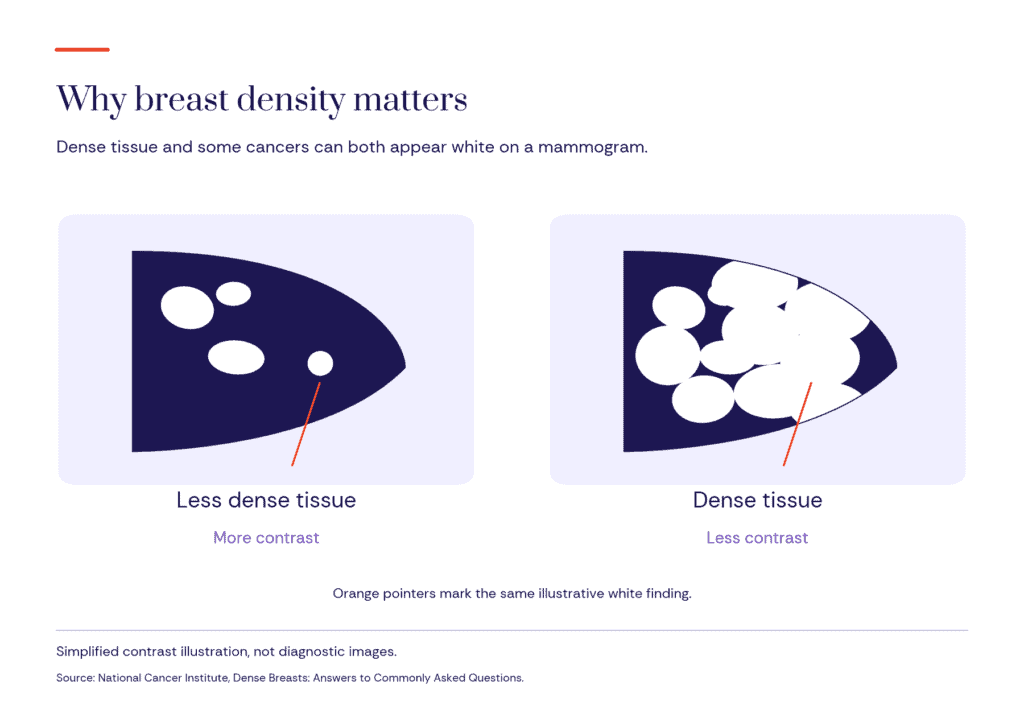
One of the most significant variables in screening is breast density. Nearly 50% of women over the age of 40 have dense breast tissue. On an X-ray, both dense tissue and potential tumors appear white, making it exceptionally difficult for radiologists to distinguish between the two. Furthermore, high breast density is an independent risk factor for developing breast cancer, necessitating a more personalized approach to screening for these patients.
5. The Imperfection of Screening
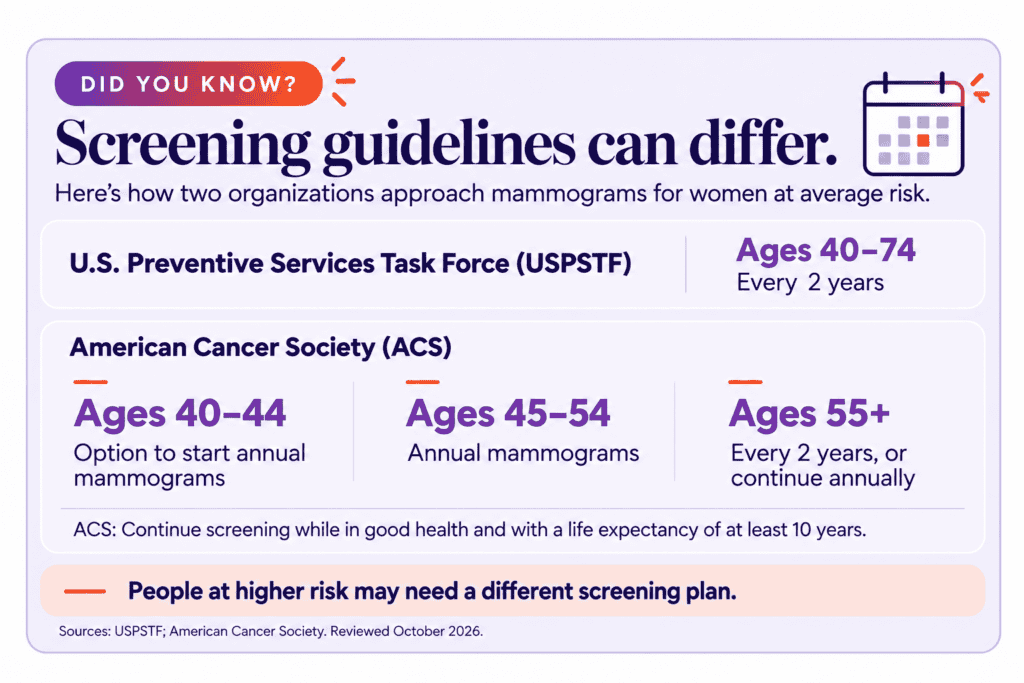
No medical screening test is perfect. Mammograms can occasionally produce false-positive results, which lead to patient anxiety and unnecessary follow-up, or false-negative results, where a cancer is present but not visible. Additionally, there is the clinical challenge of "overdiagnosis"—finding cancers that are slow-growing and might never have caused a health issue during the patient’s lifetime. These trade-offs are the reason why screening guidelines are continuously refined by national health bodies.
6. The Necessity of Personalized Screening
Because of the variations in breast density, family history, and genetic markers (such as BRCA1/2 mutations), "one-size-fits-all" screening is becoming obsolete. Physicians now encourage patients to engage in a risk-assessment conversation to determine if supplemental screening, such as a breast MRI or contrast-enhanced mammography, is warranted.
7. The Future: Biological Interception
The frontier of breast cancer research is the move toward molecular and immune-based diagnostics. By identifying the biological "footprints" left by cells as they transform into cancer, researchers hope to eventually offer preventative measures that could stop the cancer process in its tracks.

Official Perspectives: A Coordinated Effort
Public health organizations and oncological societies maintain that while screening is a tool of immense value, it is not a silver bullet. The American Cancer Society and other leading authorities emphasize that guidelines are based on large-scale population data. They consistently remind patients that screening is a collaborative process between the patient and their physician.
"Screening is a decision, not a mandate," noted a recent policy brief from the Mayo Clinic. "The goal is to provide the patient with the most accurate diagnostic information available, tailored to their individual risk profile."

Implications for Patients
For the individual, the implication of these seven points is clear: knowledge is the most effective tool in one’s medical arsenal.
Recommended Steps for Patients:
- Know Your Density: Ask your doctor if your mammogram report indicates dense breasts. If so, discuss whether supplemental imaging is right for you.
- Stay Informed on Guidelines: Guidelines change as new data emerges. Do not rely on outdated information from years prior.
- Monitor Changes: Mammograms are a yearly check-in, but self-awareness is 24/7. Any persistent change in breast shape, texture, or appearance should be reported to a physician immediately, regardless of when your last mammogram occurred.
- Understand the "Why": Recognize that the goal of screening is to find disease at a stage where it is highly treatable. Understanding the rationale behind a biopsy or a follow-up test can significantly reduce the anxiety associated with the screening process.
Conclusion: A Window of Opportunity
As we mark National Mammography Day, we are reminded that the fight against breast cancer is not static. We are moving from a reactive model—where we find a tumor and then treat it—to a proactive model, where we utilize deep diagnostic insights and immune-system awareness to stay ahead of the disease.
While the mammogram remains our most vital frontline defense, the future of breast cancer care lies in the synthesis of current technology and emerging scientific breakthroughs. By maintaining regular screenings and engaging in open, informed dialogues with healthcare providers, women can take control of their health, ensuring that if cancer does arise, it is caught at the earliest possible stage—when the options are broadest and the prognosis is brightest.
The path forward is defined by innovation, but the foundation remains the same: early detection is, and will remain, the single most significant factor in changing the narrative of a breast cancer diagnosis.