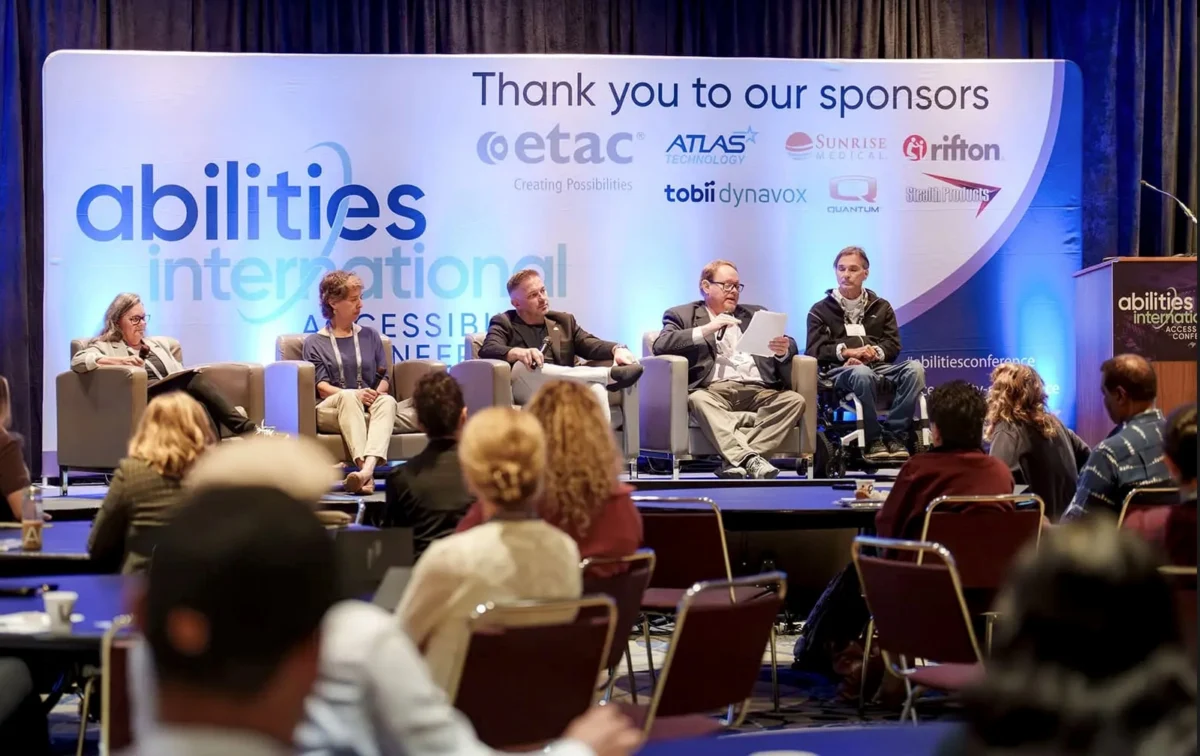
EDISON, NJ – [Date of Publication] – The highly anticipated 2026 New York Metro Abilities International Accessibility Conference has officially unveiled its full speaker lineup and detailed schedule, marking a pivotal moment for professionals in the complex rehabilitation technology (CRT) sector. Slated to take place from April 30 to May 1 at the sprawling New Jersey Convention & Expo Center, this signature event is poised to gather over 600 industry leaders for an intensive two-day exploration of cutting-edge clinical strategies, innovative assistive solutions, and the future trajectory of accessibility.
Designed as an indispensable forum for occupational therapists (OTs), physical therapists (PTs), assistive technology professionals (ATPs), rehabilitation engineers, suppliers, manufacturers, and policy advocates, the conference aims to bridge critical gaps between clinical practice, technological advancement, and business acumen. Attendees will immerse themselves in two meticulously curated content tracks – "Improved Patient Outcomes" and "Adapted Living" – alongside groundbreaking research presentations, all designed to foster professional growth, facilitate networking, and ultimately enhance the quality of life for individuals with disabilities.
Katy Roberts, Managing Director of the Abilities Portfolio, underscored the event’s significance, stating, “By bridging the gap between clinicians, executives, and end-users, this New York-based conference creates a unique ecosystem for innovation. As a U.S. gathering that unites the full spectrum of the CRT industry, it is an essential date for every professional in the field.”
The conference’s co-location with the well-established Abilities Expo offers delegates an invaluable added benefit: optional free admission to the Expo throughout the weekend, allowing for further engagement with the broader accessibility community and direct interaction with the latest products and services. Tickets for the New York Metro conference are now available for purchase, with an additional Abilities International Accessibility Conference scheduled for Chicago on June 11-12, 2026, further cementing the portfolio’s commitment to advancing the field nationwide.
A Chronology of Innovation: Two Days Dedicated to Advancing CRT
The release of the full speaker lineup and detailed schedule for the 2026 New York Metro Abilities International Accessibility Conference has ignited considerable anticipation within the complex rehabilitation technology (CRT) community. This meticulously planned event promises two days packed with unparalleled learning, networking, and the exchange of groundbreaking ideas, all unfolding against the backdrop of the New Jersey Convention & Expo Center.
Building Anticipation: The Pre-Conference Buzz
The initial announcement of the conference dates and location generated significant interest, but the recent unveiling of the complete roster of speakers and the detailed agenda has truly set the stage for a landmark event. Professionals across the CRT spectrum have been eagerly awaiting this information, allowing them to strategically plan their attendance, identify key sessions aligned with their professional development goals, and prepare for engagements with thought leaders. This structured release ensures attendees can maximize their experience, pre-selecting workshops and presentations that will yield the most impactful insights.
Day One: Thursday, April 30, 2026 – Laying the Foundation
The conference will commence on Thursday, April 30th, with an opening ceremony designed to welcome delegates and set an inspirational tone. Following an address from conference organizers, attendees will immediately dive into the robust educational programming. Morning sessions will run concurrently across the "Improved Patient Outcomes" and "Adapted Living" tracks, offering a diverse array of topics from advanced clinical techniques to practical solutions for daily living.
For example, early sessions in the "Improved Patient Outcomes" track might focus on "Advanced Seating & Positioning" or "Pediatric Mobility Solutions," providing clinicians with evidence-based strategies to optimize patient comfort, function, and independence. Simultaneously, the "Adapted Living" track could feature sessions on "Smart Home & Environmental Controls" or "Accessible Transportation Solutions," appealing to a broader audience including end-users, caregivers, and suppliers seeking practical advancements in daily accessibility.
Midday will feature dedicated networking opportunities, including a catered lunch, allowing professionals to connect, share experiences, and forge valuable collaborations. These informal interactions are often cited as one of the most beneficial aspects of such conferences, fostering a sense of community and facilitating peer-to-peer learning.
The afternoon agenda will continue with more specialized sessions, potentially including deep dives into "Neurorehabilitation Techniques" or "Mental Health & Well-being in Disability." A significant highlight of the afternoon will be the "Scientific Paper Platform," a moderated 60-minute session showcasing 4 to 5 researchers presenting their evidence-based findings. This platform offers a dynamic environment for practitioners to gain immediate insights into cutting-edge AT innovations and earn IACET CEUs. Throughout the day, the "Scientific Posters" will be available for browsing, with designated Q&A times providing attendees direct access to researchers to discuss their findings in detail, qualifying for RESNA contact hours. The first day will conclude with opportunities for further informal networking, setting the stage for an equally engaging second day.
Day Two: Friday, May 1, 2026 – Deepening Engagement and Looking Forward
Friday, May 1st, will build on the momentum of the first day, offering another full schedule of impactful sessions. Morning presentations will continue to explore critical areas such as "Assistive Technology for Cognitive Impairments" and "Adaptive Sports & Recreation," demonstrating the breadth of the CRT field. The "Adapted Living" track, sponsored by Fora Travel, will delve further into topics like "Funding & Navigating Insurance" and "Caregiver Support & Resources," addressing the crucial practical and financial aspects of living with disabilities.
A potential plenary session or keynote address featuring one of the prominent speakers, such as Dave Stevens or Nicole Zaino, could serve as a mid-morning highlight, offering an inspiring and unifying message to all attendees. This allows for a shared experience before delegates return to their chosen breakout sessions.
Another networking lunch will provide further opportunities for connection before the afternoon sessions commence. These final sessions often focus on more forward-looking themes, such as "Ethical Considerations in CRT," "Inclusive Design Principles," or "Telehealth in Rehabilitation," reflecting on the evolving landscape of the industry and anticipating future challenges and opportunities. The "Scientific Paper Platform" and "Scientific Posters" will remain active, ensuring that research remains a central pillar of the conference experience.
The conference will officially conclude in the late afternoon with closing remarks, summarizing key takeaways and looking ahead to the continued advancements in the field. However, for many delegates, the experience will extend beyond Friday, as they gain optional free admission to the co-located Abilities Expo throughout the weekend, offering a seamless transition from professional development to direct engagement with products, services, and the broader disability community. This integrated approach ensures that the New York Metro Abilities International Accessibility Conference provides a comprehensive and enduring impact on all participants.
Supporting Data: A Deep Dive into Tracks, Speakers, and Research
The 2026 New York Metro Abilities International Accessibility Conference is structured to provide maximum value through its meticulously designed content tracks, an impressive roster of expert speakers, and a dedicated focus on cutting-edge research. This comprehensive approach ensures that attendees gain both theoretical knowledge and practical applications, enriching their professional practice and contributing to improved outcomes for individuals with disabilities.
Improving Patient Outcomes: Elevating Clinical Expertise
This track is explicitly tailored for occupational therapists (OTs), physical therapists (PTs), assistive technology professionals (ATPs), and other medical experts who are committed to advancing their clinical expertise and fulfilling continuing education unit (CEU) requirements. The sessions are rigorously evidence-based, focusing on best practices, innovative assessment techniques, and intervention strategies specifically designed to enhance the quality of life for individuals with disabilities.
Key topics covered include:
- Advanced Seating & Positioning: This delves into the biomechanics and clinical applications of specialized seating systems, crucial for pressure injury prevention, postural support, and functional independence for individuals with complex needs. Sessions here would explore dynamic seating, custom molded systems, and the latest materials science.
- Pediatric Mobility Solutions: Focusing on the unique developmental needs of children, these sessions will explore early intervention, adaptive strollers, power wheelchairs for pediatric users, and innovative gait trainers, emphasizing solutions that promote exploration, participation, and social interaction.
- Neurorehabilitation Techniques: Experts will present on therapeutic approaches and assistive technologies for individuals with neurological conditions such as stroke, spinal cord injury, or cerebral palsy. This could include robotic-assisted therapy, functional electrical stimulation, and brain-computer interfaces.
- Assistive Technology for Cognitive Impairments: This critical area addresses solutions for individuals with dementia, traumatic brain injury, or intellectual disabilities. Topics might include cognitive prosthetics, memory aids, GPS trackers, and simplified communication devices to support daily living and safety.
- Ethical Considerations in CRT: Given the profound impact of assistive technology on individuals’ lives, this track will tackle complex ethical dilemmas, informed consent, equitable access to technology, and the responsibilities of practitioners in a rapidly evolving field.
- Telehealth in Rehabilitation: Acknowledging the paradigm shift accelerated by recent global events, sessions will explore the effective implementation of telehealth for assessments, interventions, and follow-up care in CRT, addressing both the opportunities and challenges.
- Outcome Measures & Data-Driven Practice: This focuses on the importance of quantifying the effectiveness of interventions. Attendees will learn about standardized outcome measures, data collection methodologies, and how to use data to inform clinical decisions, justify funding, and demonstrate the value of CRT.
Through expert-led workshops and interactive discussions, attendees will sharpen their skills, meet certification requirements, and remain at the forefront of standards in Complex Rehab Technology.
Adapted Living: Fostering Independence and Quality of Life
Sponsored by Fora Travel, the "Adapted Living" track highlights the latest innovations and practical solutions specifically designed to boost independence and improve the quality of life for individuals with disabilities. This track is uniquely crafted to provide valuable insights for a diverse audience, encompassing clinicians, suppliers, caregivers, and end-users.
Sessions will include:
- Smart Home & Environmental Controls: Exploring how technology can transform living spaces into accessible and intuitive environments. This could cover voice-activated systems, automated doors, remote controls for appliances, and integrated security systems that enhance autonomy.
- Accessible Transportation Solutions: From vehicle modifications and accessible public transport initiatives to ride-sharing services specifically designed for individuals with disabilities, these sessions address the crucial role of transportation in community integration and employment.
- Adaptive Sports & Recreation: Highlighting the physical, mental, and social benefits of adaptive sports. Topics might include specific adaptive sports equipment, accessible recreational facilities, and the role of participation in fostering well-being and community connection.
- Mental Health & Well-being in Disability: Recognizing the unique challenges faced by individuals with disabilities, these sessions will address mental health support, strategies for resilience, peer support networks, and therapeutic interventions to promote holistic well-being.
- Inclusive Design Principles: Moving beyond basic accessibility, this explores universal design concepts applied to architecture, product development, and digital interfaces, ensuring environments and tools are usable by the widest possible range of people, regardless of ability.
- Funding & Navigating Insurance: A perennial challenge, this track offers practical guidance on securing funding for assistive technology, understanding insurance policies (private, Medicare, Medicaid), and advocating for coverage.
- Caregiver Support & Resources: Recognizing the vital role of caregivers, these sessions provide resources, strategies for managing burnout, legal guidance, and connections to support networks, acknowledging the often-overlooked needs of this critical group.
Featured Thought Leaders: Insights from the Forefront
A selection of prominent thought-leaders will grace the conference stages, offering their unique perspectives and expertise:
- Rita Stanley, President at RESNA: As the President of the Rehabilitation Engineering and Assistive Technology Society of North America (RESNA), Rita Stanley is a leading voice in the field. Her talk, "From Small Acts to Big Wins: Policy and Advocacy in Assistive Technology," is critical for understanding how grassroots efforts and strategic policy engagement can drive significant advancements in AT access, funding, and development. Her insights are invaluable for anyone looking to influence the landscape of accessibility.
- Carmen DiGiovine, PhD, ATP/SMS, RET, Rehabilitation Engineer and Clinical Associate Professor at Occupational Therapy Division-School of Health and Rehabilitation Sciences, Ohio State University: Dr. DiGiovine brings a wealth of academic and practical experience. His presentation, "Interdisciplinary Collaboration in Equipment Evaluation," underscores the vital necessity of a holistic, team-based approach in CRT. He will likely explore how OTs, PTs, engineers, and suppliers can work seamlessly together to ensure that equipment precisely meets the complex needs of individuals, optimizing outcomes and preventing costly mismatches.
- Dave Stevens, Motivational Speaker/Disability Advocate, 7X Emmy Winner ESPN @davestevensspeaks_: Dave Stevens is a compelling advocate whose personal journey informs his powerful message. His talk, "The Sports Prescription: Navigating Conversations around Adaptive Sports," will undoubtedly inspire and educate. Drawing on his experience as a collegiate athlete who played football without legs, he will highlight the transformative power of adaptive sports for physical health, mental resilience, and social inclusion, encouraging practitioners to integrate adaptive sports discussions into patient care plans.
- Nicole Zaino, Paralympian & Director of Clinical Research at LUCI Mobility: Nicole Zaino offers a unique blend of lived experience as a Paralympian and professional expertise in clinical research. She will deliver two pivotal talks:
- Her first talk, "The Sports Prescription: Navigating Conversations around Adaptive Sports," will complement Dave Stevens’ presentation, providing a Paralympian’s perspective on the practicalities and profound benefits of adaptive athletics. Her insights will be particularly relevant to clinicians advising patients on participation.
- Her second talk, "From Metrics to Meaning: Leveraging Data in Assistive Technology," is crucial for understanding the future of personalized AT. As Director of Clinical Research at LUCI Mobility, a company at the forefront of smart wheelchair technology, she will discuss how data collected from AT devices can be translated into meaningful insights, leading to improved user experience, proactive maintenance, and evidence-based design improvements.
Cutting-Edge Research: Driving Future Innovations
A cornerstone of the conference is its commitment to showcasing and disseminating the latest research, ensuring that practitioners and innovators remain at the leading edge of the field.
- Scientific Paper Platform: This moderated, 60-minute session provides a dynamic forum for 4 to 5 researchers to share their evidence-based findings. Designed for immediate applicability in the field, these presentations cover novel interventions, emerging technologies, and critical analyses of current practices. It’s an ideal opportunity for practitioners to stay ahead of AT innovations and earn IACET CEUs. The moderated format encourages interaction and critical discussion, enhancing the learning experience.
- Scientific Posters: Offering a visual and accessible format, the scientific posters allow attendees to browse cutting-edge research at their own pace. Designated Q&A times provide a unique opportunity to meet the researchers directly, discuss their methodologies, findings, and potential implications in detail. Participation in these sessions qualifies for one RESNA contact hour, recognizing the value of engaging with primary research.
This robust framework of tracks, speakers, and research ensures that the 2026 New York Metro Abilities International Accessibility Conference delivers an unparalleled educational and networking experience, solidifying its position as a must-attend event for the CRT industry.
Official Responses: Vision and Commitment from the Abilities Portfolio
The leadership behind the 2026 New York Metro Abilities International Accessibility Conference has articulated a clear vision for the event, emphasizing its unique role in fostering innovation, collaboration, and professional development within the complex rehabilitation technology (CRT) industry. Their official responses highlight a deep commitment to serving the diverse needs of the community and driving forward the accessibility agenda.
Katy Roberts, Managing Director of the Abilities Portfolio, has been a key voice in defining the strategic importance of this conference. Her statements resonate with the core mission of the event:
“By bridging the gap between clinicians, executives, and end-users, this New York-based conference creates a unique ecosystem for innovation,” Roberts asserted. This statement is foundational to understanding the conference’s design. The "unique ecosystem" refers to the deliberate effort to bring together distinct, yet interconnected, segments of the CRT world. Clinicians, with their direct patient contact and understanding of practical needs, gain invaluable insights from executives who drive product development and market trends. Conversely, executives benefit immensely from direct feedback and the nuanced perspectives of clinicians and, crucially, end-users who experience these technologies daily. This cross-pollination of ideas is essential for truly user-centered innovation, ensuring that new technologies and strategies are not only feasible but also genuinely impactful and relevant to those they serve. It’s an acknowledgment that real progress in accessibility stems from collaborative dialogue across all stakeholders.
Roberts further underscored the conference’s national significance: “As a U.S. gathering that unites the full spectrum of the CRT industry, it is an essential date for every professional in the field.” This statement positions the New York Metro conference not merely as a regional event, but as a critical national platform. The "full spectrum" encompasses the entire ecosystem – from research and development to manufacturing, distribution, clinical application, and advocacy. For professionals, this means an unparalleled opportunity to gain comprehensive insights into the industry’s direction, understand policy changes, discover new products, and network with peers and leaders from across the country. The emphasis on it being an "essential date" highlights its perceived value as a key driver of professional growth, continuous learning, and strategic planning for anyone involved in CRT.
Beyond Katy Roberts’ direct quotes, the organizational vision implicitly communicates several other commitments:
- Commitment to Education and Professional Development: The detailed content tracks, the emphasis on CEUs for clinicians, and the focus on evidence-based practices demonstrate a strong dedication to elevating the professional standards of the CRT workforce. The inclusion of topics like "Ethical Considerations in CRT" and "Outcome Measures & Data-Driven Practice" reflects a desire to cultivate not just skilled practitioners, but also thoughtful, responsible leaders in the field.
- Commitment to Inclusivity and User-Centered Design: The "Adapted Living" track, with its focus on practical solutions for daily life and its appeal to end-users and caregivers, underscores a commitment to inclusivity. The presence of Paralympians and disability advocates among the speakers further reinforces the importance of lived experience in shaping the conversation around accessibility and assistive technology.
- Commitment to Advancing Research: The dedicated "Scientific Paper Platform" and "Scientific Posters" are a testament to the conference’s role in disseminating cutting-edge research. By providing a forum for researchers to present their findings and interact with practitioners, the conference actively fosters the translation of scientific discovery into practical applications, pushing the boundaries of what’s possible in assistive technology.
- Commitment to Community Building: The strategic co-location with the Abilities Expo, offering delegates free admission, exemplifies a commitment to fostering a broader community. This integrated approach allows professionals to transition seamlessly from academic and clinical discussions to direct engagement with products, services, and the wider disability community, creating a holistic and impactful experience.
- Commitment to Geographic Reach: The existence of a second Abilities International Accessibility Conference in Chicago in 2026 further illustrates the Abilities Portfolio’s dedication to making these vital educational and networking opportunities accessible to professionals across different regions of the United States.
In essence, the official responses and the structure of the conference itself paint a picture of an organization deeply invested in the advancement of complex rehabilitation technology, driven by a vision of innovation, collaboration, and a profound positive impact on the lives of individuals with disabilities. The 2026 New York Metro event is not just a conference; it is positioned as a critical nexus for the future of accessibility.
Implications: Shaping the Future of Accessibility and Rehabilitation
The 2026 New York Metro Abilities International Accessibility Conference carries profound implications that extend far beyond the two days of its proceedings, promising to shape the landscape of complex rehabilitation technology (CRT), influence patient care, drive industry innovation, and foster a more inclusive society.
Impact on CRT Professionals:
For the hundreds of occupational therapists, physical therapists, assistive technology professionals, and rehabilitation engineers attending, the implications are immediately tangible. The conference serves as a vital platform for continuous professional development, offering critical CEUs and ensuring practitioners remain current with the latest evidence-based practices, emerging technologies, and evolving ethical standards. Staying abreast of advancements in areas like "Advanced Seating & Positioning" or "Neurorehabilitation Techniques" directly translates into more effective, personalized, and high-quality care for their patients. The opportunity for networking and collaboration is equally significant, fostering a professional community where ideas are exchanged, partnerships are formed, and best practices are disseminated, ultimately elevating the standard of care across the industry. This professional enrichment empowers them to be more effective advocates for their clients and more innovative in their practice.
Impact on Individuals with Disabilities:
Ultimately, the most significant implications ripple outwards to individuals with disabilities. The advancements discussed, the solutions showcased, and the collaborative spirit fostered at the conference directly contribute to improved quality of life and greater independence. When clinicians are equipped with the latest knowledge in "Pediatric Mobility Solutions," children gain better access to play and education. When suppliers understand "Smart Home & Environmental Controls," individuals can live more autonomously. When research in "Assistive Technology for Cognitive Impairments" is shared, new pathways to cognitive support emerge. The focus on "Adapted Living" ensures that the practical, everyday needs of users are at the forefront, leading to more user-centered design and a greater range of effective tools and services. Furthermore, the emphasis on "Funding & Navigating Insurance" directly addresses a major barrier, potentially easing access to essential technologies for those who need them most.
Industry Innovation and Standards:
The conference acts as a powerful catalyst for innovation within the CRT industry. By bringing together clinicians, manufacturers, and researchers, it creates a feedback loop essential for product development. Manufacturers gain insights into real-world clinical needs and user experiences, guiding their R&D efforts. Researchers find direct applications for their findings, accelerating the translation of scientific discovery into practical solutions. The "Scientific Paper Platform" and "Scientific Posters" are critical for this exchange, driving the next generation of assistive technologies. Moreover, discussions around "Ethical Considerations in CRT" and "Outcome Measures & Data-Driven Practice" contribute to the establishment and refinement of industry standards, promoting accountability, quality, and efficacy across the sector.
Economic and Social Implications:
The sheer scale of the event, drawing over 600 industry leaders to the New Jersey Convention & Expo Center, has a notable local economic impact. It supports local businesses, from hospitality to transportation, benefiting the host community. More broadly, by advancing accessibility, the conference contributes to a more inclusive society. When individuals with disabilities have access to appropriate assistive technology and support, they are better able to participate in education, employment, and community life, leading to greater social equity and economic participation. The "Adaptive Sports & Recreation" track, for instance, highlights how specialized equipment and programs can foster community engagement and improve overall well-being.
The "Abilities" Ecosystem and Future Outlook:
The strategic co-location of the professional conference with the established Abilities Expo creates a unique and comprehensive "Abilities" ecosystem. This synergy allows delegates to transition from intensive learning and professional networking to direct engagement with a vast array of products, services, and the broader disability community. This integrated approach reinforces the idea that professional advancements are intrinsically linked to the lived experiences of individuals with disabilities, fostering a holistic understanding of accessibility challenges and solutions.
Looking ahead, the conference’s commitment to hosting multiple events in 2026 (New York and Chicago) signals a sustained dedication to advancing accessibility nationwide. It implies an ongoing effort to disseminate knowledge, foster innovation, and build a robust community of professionals dedicated to improving the lives of individuals with disabilities. The topics addressed, the caliber of speakers, and the emphasis on research collectively paint a picture of an industry poised for significant growth and impact, with the 2026 New York Metro Abilities International Accessibility Conference serving as a critical touchstone for its future trajectory. It stands not just as an event, but as a statement of collective intent to build a more accessible and equitable world.