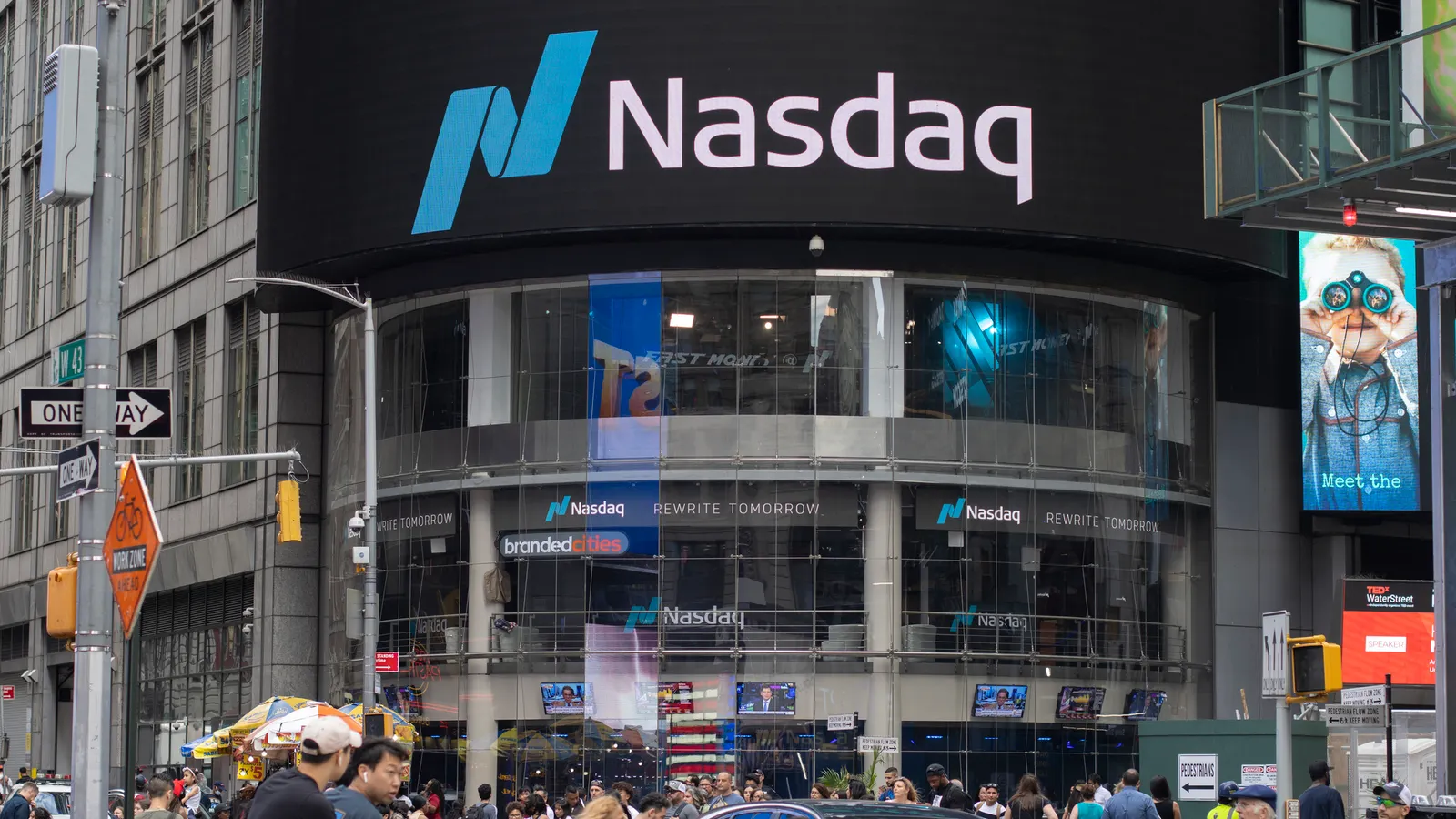
In a high-profile validation of the rebounding biotech sector, Odyssey Therapeutics—a clinical-stage developer of next-generation medicines for autoimmune and inflammatory disorders—successfully debuted on the Nasdaq exchange this Friday. The company raised $279 million through an upsized initial public offering (IPO), marking a significant milestone for the firm after a prolonged and highly strategic gestation period.
By selling 15.5 million shares at $18 each, Odyssey surpassed its initial expectations, joining an elite group of drugmakers that have successfully tapped public markets for over $250 million in recent months. The offering was further bolstered by a $25 million concurrent private placement at the IPO price, cementing the company’s strong financial runway. Trading under the ticker symbol "ODTX," Odyssey becomes the 11th biotechnology firm to go public in 2026, signaling a potential shift in investor appetite for high-science, high-capital-intensity drug development.
A Strategic Journey: From Venture Darling to Public Entity
The path to the Nasdaq was far from a straight line. Founded in 2021 by biotech industry veteran Gary Glick, the company was built on the premise of tackling autoimmune diseases through the "innate" immune system—the body’s first line of defense—rather than the more commonly targeted "adaptive" immune system.
Glick, known for his track record of building high-value startups that are frequently acquired by Big Pharma, successfully steered Odyssey through several massive private funding rounds. With the backing of venture heavyweights such as OrbiMed and SR One, the company secured a staggering $727 million in private capital, providing the luxury of time to refine its pipeline and wait for optimal market conditions.
The Chronology of an IPO
The timeline of Odyssey’s journey reflects the broader turbulence of the biotech IPO market over the past two years:
- 2021–2023: Building the Foundation. Under Glick’s leadership, Odyssey established its research infrastructure and identified its lead candidate, OD-001, focusing on novel targets within the innate immune system.
- Early 2025: The First Attempt. The company initially prepared for a public listing in early 2025. However, as the broader IPO market hit a historic low—with only 11 drugmakers successfully going public throughout the entire year—the executive team made the difficult decision to pause.
- Mid-2025: Strategic Pivot. In a candid regulatory filing, Glick declared that a public offering was "not in the best interests" of shareholders at that time. Instead, the company successfully raised $213 million in a Series D round, choosing to focus on internal milestones rather than market volatility.
- May 2026: The Successful Debut. With market sentiment shifting, Odyssey returned to the table. By pricing its shares at $18, the company successfully secured the capital required to push its lead program through mid-stage testing and advance its robust early-stage pipeline.
The Science: Targeting the Innate Immune System
Odyssey’s core thesis centers on a fundamental critique of modern immunology. Most current therapies for autoimmune disorders, such as inflammatory bowel disease (IBD) or lupus, target the adaptive immune system. While often effective, these treatments carry significant limitations, including broad immune suppression and a failure to address the underlying drivers of the disease, often leading to drug resistance or limited patient response.
OD-001 and the "Therapeutic Ceiling"
The company’s flagship asset, OD-001, is a small-molecule inhibitor of RIPK2, a key signaling protein within the innate immune system. By selectively blocking this protein, Odyssey aims to modulate the inflammatory response at its source.
Clinical data suggests that by targeting the innate immune system, the company may be able to break through the "therapeutic ceiling" currently limiting the efficacy of standard treatments. OD-001 is currently in Phase 2 trials as a monotherapy for ulcerative colitis. The company is also planning a high-stakes combination study with Takeda’s Entyvio, one of the leading therapies for IBD, which could, if successful, fundamentally alter the standard of care for patients who have failed to respond to existing biologics.
A Deep Pipeline
Beyond OD-001, Odyssey maintains a broad portfolio of five additional experimental programs. These candidates target complex conditions such as atopic dermatitis and chronic obstructive pulmonary disease (COPD). While these programs remain in the preclinical stage, the company plans to advance its lead B-cell-mediated autoimmunity candidate into Phase 1 trials by 2027, providing a clear roadmap for long-term growth.
Market Context: A Shift in Investor Appetite
The successful pricing of the Odyssey IPO is not an isolated event; it is part of a broader, more robust trend in the 2026 biotech sector. While the total number of companies going public remains modest, the size of these offerings has seen a marked increase compared to the "IPO winter" of 2025.
Supporting Data and Investor Sentiment
Current market metrics reveal a clear preference for large-scale, high-impact offerings:
- Increased Deal Sizes: Six of the 11 companies to go public in 2026 have raised more than $300 million. This stands in stark contrast to 2025, when large-scale IPOs were rare.
- Immunology Surge: The immunology sector has seen a massive influx of capital. In 2026, immunology-focused biotechs have raised $879 million in IPO proceeds, a significant jump from the $174 million raised by similar companies during the entirety of 2025.
- Post-IPO Performance: Investor confidence is being reinforced by strong secondary market performance. More than half of the biotech companies that have priced in 2026 are currently trading above their IPO price, with some, like Veradermics, experiencing multi-fold valuation growth.
Simeon George, co-founder of SR One and a long-time supporter of Odyssey, views this as a sign of a maturing cycle. "The more data points we have about IPOs being successfully executed and performing well in the after-markets, the more it validates that this part of the overall funding cycle is working," George noted. "Investors are once again willing to place long-term bets on innovative science, provided the underlying data is robust."
Implications for the Future of Drug Discovery
The success of Odyssey Therapeutics has profound implications for the biotech landscape. It signals that while the "easy money" era of the pandemic may be over, the market remains highly receptive to companies that can demonstrate both technical rigor and a clear path to market disruption.
Strategic Lessons for Emerging Startups
- Timing is Everything: Odyssey’s decision to wait for the right market conditions—rather than forcing an IPO during the trough of 2025—protected its valuation and allowed it to enter the public market from a position of strength.
- Validation through Science: By focusing on a "differentiated" mechanism (the innate immune system), Odyssey was able to attract top-tier institutional support, which in turn provided the credibility necessary to command a large IPO.
- The Power of Large Funding Rounds: The ability to raise substantial private capital ($727 million) allowed the company to reach the mid-stage clinical milestones that now make the company an attractive prospect for public market investors.
As Odyssey begins its life as a public company, the focus will now shift to execution. With clinical readouts for OD-001 expected to occur over the next 18 to 24 months, the company is under immense pressure to deliver on the promises made to its new shareholders.
However, for the broader biotech industry, the debut of Odyssey is a welcome bellwether. It suggests that the industry is emerging from a period of caution and entering a phase of renewed investment, where the focus has returned to solving some of the most difficult challenges in modern medicine. Whether the current momentum can be sustained will depend on the clinical results of the current wave of IPOs, but for now, the outlook for high-science, early-stage drug development is as bright as it has been in years.