









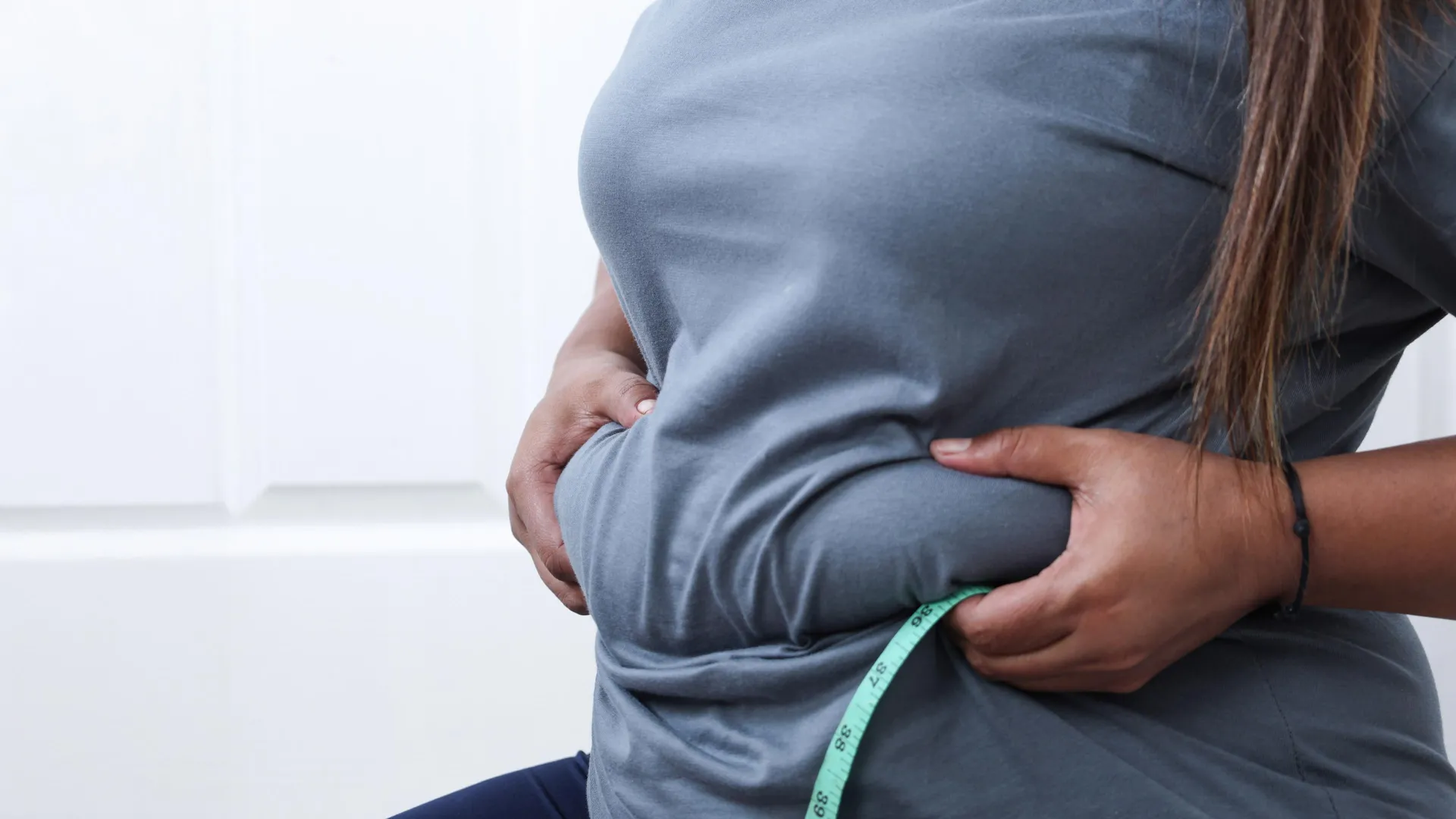
As the human body traverses the aging process, it undergoes a complex metamorphosis. Beyond the visible signs of graying hair or fine lines, a profound, often invisible, shift occurs in body composition. The biological "architecture" of fat storage begins to move from the subcutaneous layers—the padding just beneath the skin—to the deep abdominal regions. This internal redistribution is not merely a cosmetic concern; it is a clinical marker of significant health risks, including metabolic syndrome, cardiovascular disease, and type 2 diabetes.
New research, led by Jacob Earp, an assistant professor of kinesiology at the University of Connecticut’s College of Agriculture, Health and Natural Resources (CAHNR), suggests that the key to managing this dangerous "visceral fat" may lie in the strategic application of sex hormones. A groundbreaking study published in the journal Obesity Pillars indicates that topical testosterone, when paired with structured exercise, can specifically target and reduce visceral fat in older women recovering from hip fractures—a demographic for whom traditional weight loss methods often prove counterproductive.
The Anatomy of Fat: Subcutaneous vs. Visceral
To understand the significance of this research, one must first distinguish between the two primary types of adipose tissue. Subcutaneous fat, while often the target of aesthetic-driven weight loss programs, is relatively benign. It acts as an energy reserve and a cushion for the body. In fact, moderate amounts of subcutaneous fat are essential for metabolic health and hormone regulation.
Visceral fat, by contrast, is a different beast entirely. Nestled deep within the abdomen, it wraps itself around vital organs such as the liver, pancreas, and intestines. This "active" fat is biologically aggressive; it secretes inflammatory markers and hormones that interfere with the body’s metabolic functions. Because it is located near the portal vein, which carries blood directly to the liver, the fatty acids released by visceral fat can trigger insulin resistance and systemic inflammation.
As individuals age, a "metabolic drift" occurs. The body begins to favor the storage of lipids in the visceral compartment over the subcutaneous layers. This shift is frequently accelerated by hormonal changes, sedentary lifestyles, and the physiological stress of recovery from acute injuries.
The Role of Hormones in Fat Redistribution
The biological impetus behind this shift is heavily dictated by endocrine function. "As men and women age, there’s an unhealthy redistribution of fat from the more innocuous regions into the visceral compartment," says Earp. "There is a direct link between sex hormones and fat distribution throughout the body."
Testosterone, while often categorized as a "male" hormone, plays a critical, systemic role in both men and women. It is a key regulator of muscle mass and metabolic rate. As testosterone levels naturally decline with age, the body loses its "defensive" mechanism against visceral accumulation.
Traditional medical advice for fat reduction has historically relied on caloric restriction. However, for the elderly population, this "blanket" approach is fraught with peril. When an older adult drastically cuts calories, the body often burns through muscle tissue before it successfully sheds deep-seated visceral fat. "Doing these blanket weight loss strategies is not always the healthiest approach," Earp explains. "Especially because muscle weight will be lost along with fat, and maintaining muscle is extremely important as we age."
The Chronology of a Clinical Breakthrough
The genesis of this study was a desire to address the specific vulnerabilities of older women who have suffered hip fractures. For this population, the loss of mobility following an injury creates a "perfect storm" for rapid visceral fat gain.
Phase I: Identifying the Problem
Hip fractures are a public health crisis among the elderly. Statistics show that they occur nearly three times more often in women than in men, serving as a primary driver for the loss of independence and mobility. The recovery phase is often marked by a period of forced sedentary behavior, which leads to muscle atrophy and an immediate, sharp increase in visceral fat storage.
Phase II: The Trial Design
The study followed 66 women, all over the age of 65, who were in the post-operative recovery phase of a hip fracture. The research team implemented a rigorous protocol:
- Baseline Assessment: Each participant underwent a DXA (dual-energy X-ray absorptiometry) scan to establish an accurate baseline of their body composition, specifically measuring the ratio of subcutaneous to visceral fat.
- Exercise Intervention: Every participant was placed on a structured, medically supervised exercise program designed to maintain strength and mobility.
- Hormonal Intervention: The cohort was split into two groups. One group received a daily topical testosterone gel, while the other acted as the control group, receiving no hormone therapy.
- Monitoring: The study spanned six months, with periodic physiological monitoring to track changes in body composition and metabolic health markers.
Supporting Data: The Power of Targeted Intervention
The results, published in Obesity Pillars, provided a stark contrast between the two groups. While both groups engaged in identical exercise regimens, the physiological outcomes were vastly different.
At the six-month mark, follow-up DXA scans revealed that the overall body weight in both groups remained relatively stable. However, the distribution of that weight had shifted significantly. The control group—those who exercised without the testosterone gel—showed the expected increase in visceral fat that typically accompanies the recovery phase of a hip fracture.
Conversely, the women who received the topical testosterone gel exhibited a marked reduction in visceral fat. The hormone appeared to "re-program" the body’s metabolic priority, shifting the focus away from internal organ fat storage and potentially preserving muscle mass in the process.
"If you have an injury and just generally as we age, we expect an increase in visceral fat," Earp noted. "This [the testosterone intervention] really bucked that trend and caused selective reduction of fat in that visceral compartment."
Official Perspectives: Implications for Geriatric Medicine
The implications of these findings extend far beyond the treatment of hip fractures. They suggest a paradigm shift in how clinicians view the aging body. Rather than treating weight as a single, homogenous number on a scale, doctors may eventually move toward "body composition management" that accounts for the hormonal drivers of fat storage.
The Quality of Life Metric
The primary goal of geriatric recovery is the restoration of independence. When a woman suffers a hip fracture, the physical trauma is often compounded by metabolic changes that make future mobility more difficult. By mitigating the accumulation of visceral fat, researchers believe patients can experience better inflammatory control, improved insulin sensitivity, and a higher capacity for physical activity.
"These are devastating injuries that most women don’t ever recover from," says Earp. "In this case, any kind of intervention that can have a beneficial effect on health, you could potentially have a huge improvement in quality of life for the individual."
Future Research and Clinical Cautions
While the results are promising, the research team emphasizes that this is an area requiring further investigation. Hormonal therapy is not a "one-size-fits-all" solution. The dosage, the duration of treatment, and the potential for long-term side effects must be rigorously evaluated before topical testosterone can be prescribed as a standard recovery protocol.
Furthermore, the study highlights the necessity of coupling hormonal therapy with exercise. The researchers hypothesize that the testosterone serves as a "metabolic catalyst," but it is the physical stress of exercise that provides the necessary stimulus for the body to utilize fat stores and build muscle. Without the movement component, the hormonal intervention may not achieve the same targeted results.
Toward a New Standard of Care
The study by Earp and his colleagues at the University of Connecticut represents a critical step forward in the field of exercise science and geriatric health. By identifying the direct, causal link between sex hormones and the dangerous accumulation of visceral fat, researchers are providing clinicians with new tools to improve outcomes for the aging population.
As the global population continues to age, the need for interventions that prioritize the quality of weight over the quantity of weight has never been more urgent. If we can successfully manage the internal "fat map" of the elderly, we may be able to significantly reduce the incidence of metabolic disease and help millions of seniors reclaim their independence after injury.
This study invites a broader conversation about aging: it is not a passive process to be endured, but a biological state that can be actively managed through the integration of endocrine support and targeted physical rehabilitation. As this research matures, it could fundamentally alter the standard of care for post-operative recovery and long-term health, ensuring that the years added to our lives are characterized by vitality rather than metabolic decline.