








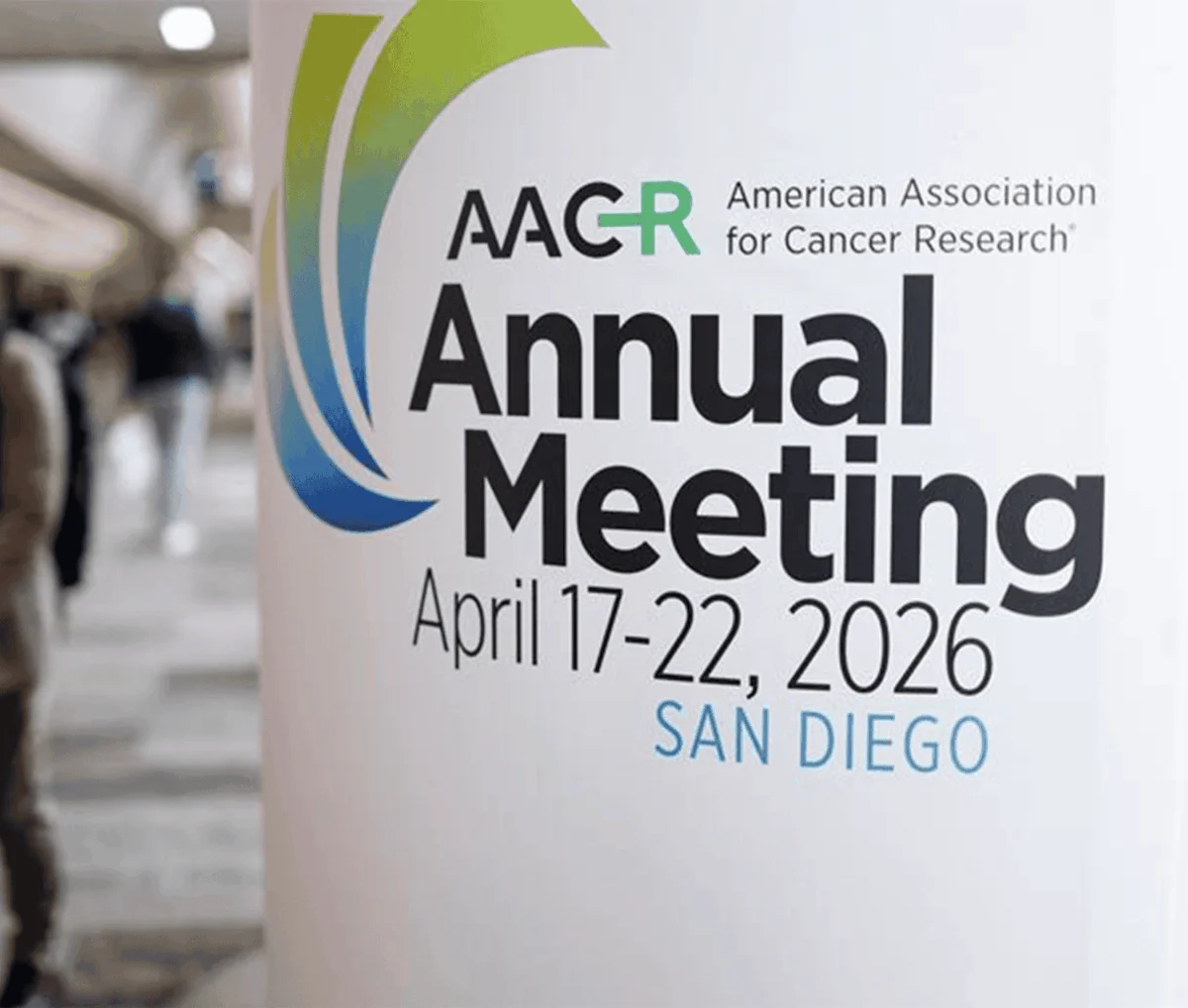
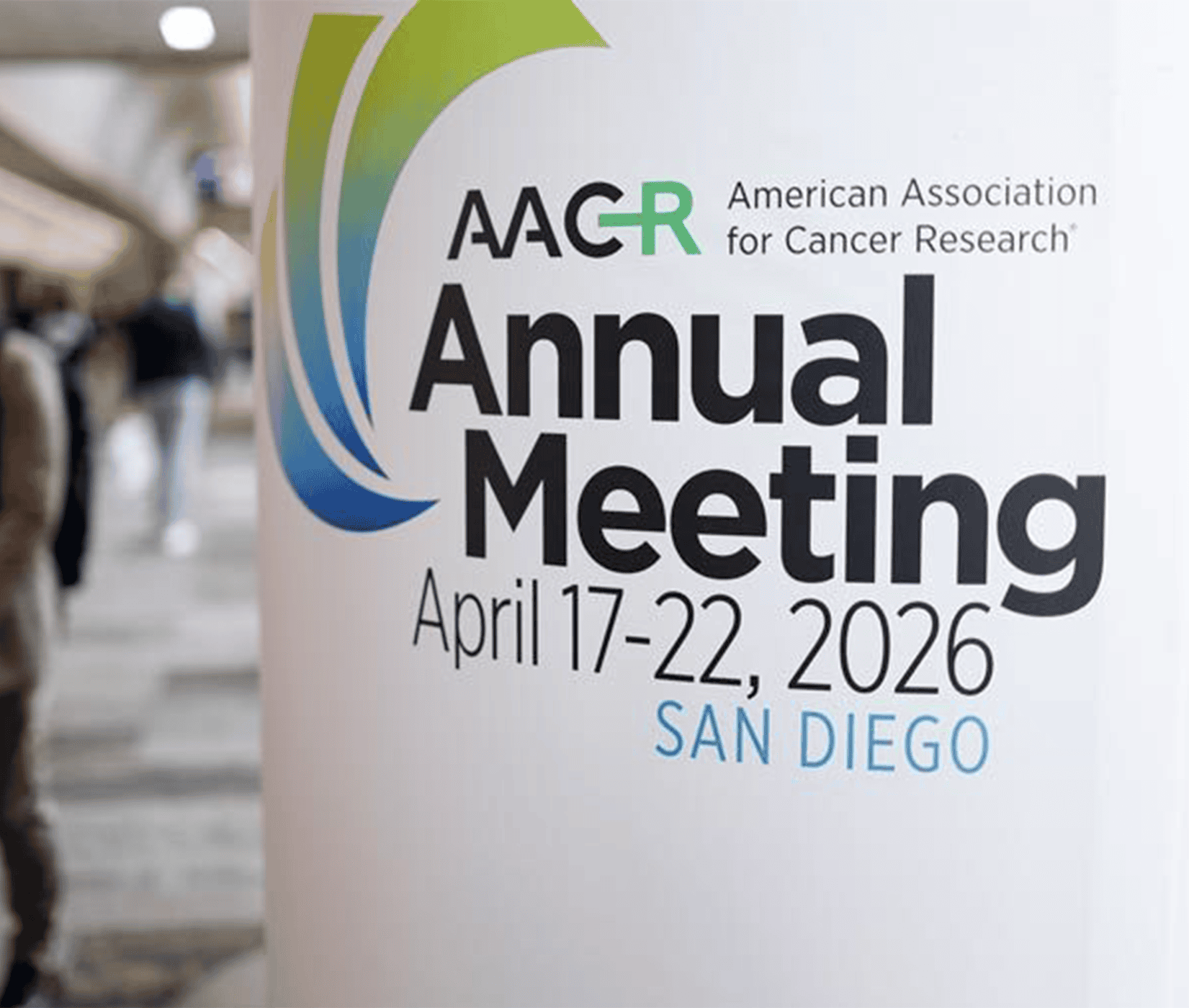
The American Association for Cancer Research (AACR) Annual Meeting has long served as the global barometer for oncology, but the 2026 edition—held in San Diego from April 17–22—marked a distinct shift in the field’s trajectory. If previous years were defined by the "siloed" pursuit of breakthroughs, AACR 2026 signaled the dawn of an era defined by systemic integration.
The discourse in San Diego made it clear: the future of cancer care is no longer just about identifying a single molecular target or testing a new drug. Instead, it is about the complex, multidisciplinary synthesis of biological insights, technological acceleration, and policy reform. As the global cancer burden grows, the research community is pivoting toward a holistic framework that treats cancer not merely as a cellular malfunction, but as a dynamic, systemic disease that requires a multi-pronged approach to dismantle.
Chronology of the 2026 AACR Annual Meeting: A Week of Breakthroughs
The six-day conference was structured to reflect the translational pipeline, moving from basic biological discovery to clinical application and policy implementation.
- April 17–18: The Systems Biology Framework. Early sessions focused on the tumor microenvironment (TME). Presentations highlighted that cancer cells are not autonomous agents but are embedded in an ecosystem involving metabolic processes, the microbiome, and, surprisingly, neurological signaling.
- April 19–20: Precision Immunotherapy and Clinical Trials. The focus shifted to the "Precision Era" of immunotherapy. Major highlights included the evolution of CAR T-cell therapy for solid tumors and the shift toward preventive immunotherapy, exemplified by MD Anderson’s success in treating oral precancer.
- April 21: The Technological Catalyst. The middle of the week was dedicated to the "Tech-Driven Pipeline," where artificial intelligence, spatial transcriptomics, and advanced computational modeling took center stage.
- April 22: Policy, Infrastructure, and Global Equity. The closing sessions tackled the "last mile" problem: how to translate scientific discovery into patient access. Discussions at the Researcher Town Hall addressed the precarious state of federal funding and the persistent bottlenecks in clinical trial enrollment.
Cancer as a System: The New Biological Frontier
For decades, the standard model of cancer research focused on the "seed"—the tumor cell itself. At AACR 2026, the focus shifted decisively to the "soil"—the complex ecosystem surrounding the tumor.
The Role of the Nervous System
One of the most provocative themes was the role of the peripheral nervous system in tumor progression. Researchers presented evidence that nerve signals act as active participants in the TME. These signals can modulate immune cell function, effectively "cloaking" the tumor from the immune system. In certain oncological profiles, the infiltration of cancer cells into nerve structures—perineural invasion—has been identified as a robust biomarker for immunotherapy resistance. This discovery opens a new therapeutic window: targeting the neural pathways that fuel tumor growth.
The Ecosystem Dynamics
Beyond neurons, the TME is increasingly understood as a metabolic battleground. The interaction between cancer cells, surrounding fibroblasts, and the microbiome dictates treatment response. By viewing the tumor as a dynamic, systemic entity, clinicians are beginning to see "resistance" not as an inherent, permanent trait of a tumor, but as a reversible, context-dependent state.
Immunotherapy: From Broad Activation to Precision Engineering
Immunotherapy has successfully moved beyond the "breakthrough" hype phase and into a mature, precision-focused clinical discipline.
Engineering the "Solid Tumor" Solution
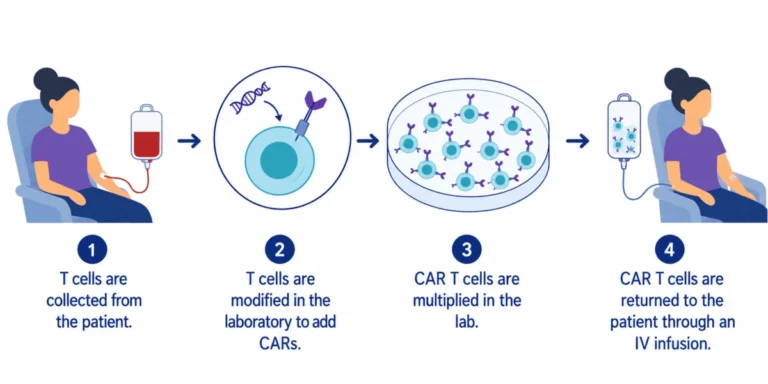
The AACR-ASCO Joint Session underscored a persistent challenge: while CAR T-cell therapies have revolutionized blood cancers, their efficacy in solid tumors remains limited by the physical barriers of the tumor stroma and the immunosuppressive environment. Next-generation CAR T-cell designs, discussed at the meeting, emphasize "durability"—the ability of these cells to survive longer, penetrate deeper into tissues, and resist exhaustion.
Immunotherapy as Prevention
Perhaps the most optimistic news came from the University of Texas MD Anderson Cancer Center. Their study on oral precancerous lesions utilized direct injections of the checkpoint inhibitor nivolumab (Opdivo®). The results were striking:
- Efficacy: A 60% reduction in lesion size.
- Durability: Over 80% of treated lesions remained cancer-free one year post-treatment.
- Quality of Life: By substituting systemic, invasive surgery with localized immunotherapy, patients maintained higher function and lower morbidity.
The "Undruggable" Frontier
The meeting also showcased clinical data from Revolution Medicines regarding KRAS mutations. Once considered "undruggable," KRAS-mutant tumors are now responding to a new generation of targeted inhibitors, providing a roadmap for addressing some of the most lethal forms of pancreatic and lung cancer.
Technology: The Infrastructure of Discovery
Technology is no longer a peripheral support system; it is the engine of modern oncology.
AI and the Research Pipeline
Artificial Intelligence (AI) was integrated into virtually every session, from high-throughput drug screening to the design of patient-centric clinical trials. AI’s ability to parse massive, multidimensional datasets—such as the 24,000 global trials analyzed by CRI Research Scientist Fahad Benthani, PhD—is revealing patterns in biomarker development that were previously invisible to human researchers.
Spatial Resolution
Platforms like those pioneered by 10x Genomics are allowing researchers to map the TME at "spatial resolution." This means scientists can now visualize exactly where an immune cell is located relative to a cancer cell, allowing for a deeper understanding of why some patients respond to treatment while others do not. This high-resolution mapping is essential for developing "predictive" models that anticipate how a patient will respond to a specific drug regimen before the first dose is administered.
Supporting Data: The Landscape of Global Research
A key contribution to the meeting was the presentation of global clinical trial data, which highlights the sheer scale of the research effort and the areas requiring improvement:
| Metric | Observation |
|---|---|
| Total Global Trials Analyzed | 24,000+ |
| Clinical Focus | Significant increase in combination immunotherapy strategies |
| Biomarker Utilization | Shift from single-protein markers to complex "gene signature" panels |
| Success Rate (Solid Tumors) | Moderate improvement, yet still below hematological outcomes |
These data suggest that while the diversity of therapeutic approaches is expanding, the industry is increasingly reliant on complex biomarkers to guide the selection of patients for these trials, moving away from "one-size-fits-all" oncology.
Official Responses and Policy Implications
The mood regarding the current research climate was one of "cautious urgency." During the Researcher Town Hall, speakers emphasized that the pace of innovation is currently outstripping the pace of policy.
The Funding Uncertainty
CRI’s leadership and other stakeholders voiced concerns regarding federal research funding. With global competition intensifying, there is a consensus that sustaining the U.S. lead in biotechnology requires a more robust commitment to public-private partnerships.
The Clinical Trial Bottleneck
Cynthia Neben, PhD, Director of Strategic Programs at the Cancer Research Institute (CRI), presented data demonstrating that the "last mile" of clinical trials—patient enrollment—remains the most significant hurdle. Current trials are often too restrictive, geographically inaccessible, and administratively burdensome.
Policy Recommendations highlighted at AACR 2026:
- Decentralization: Moving trial administration closer to community hospitals to improve accessibility.
- Digital Integration: Using electronic health records (EHR) to automate patient screening for clinical trial eligibility.
- Regulatory Harmonization: Simplifying the approval process for multi-arm "master protocol" trials, which allow researchers to test multiple drugs simultaneously.
Implications for the Future: Integration as the New Standard
The overarching lesson of AACR 2026 is that the era of the "lone genius" discovery is yielding to the era of the "integrated ecosystem." The next five years will be characterized by the synthesis of:
- Biological Discovery: Understanding the tumor’s nervous and metabolic systems.
- Technological Application: Using AI and spatial transcriptomics to turn data into actionable intelligence.
- Policy Reform: Modernizing the clinical trial infrastructure to ensure that a patient in a rural community has the same access to a CAR T-cell trial as a patient at a top-tier research hospital.
As Dr. Fahad Benthani and other CRI-affiliated researchers noted, the sheer volume of data is a strength, provided we develop the infrastructure to translate that data into equitable, patient-centered care. The challenge for 2026 and beyond is no longer about discovering what is possible in the lab; it is about making that possibility a reality in the clinic.
The 2026 AACR Annual Meeting confirmed that we have the tools, the data, and the biological insights. Now, the mission is one of execution: integrating these disparate threads into a coherent, high-speed, and equitable system that can finally outpace the complexity of cancer.