








In the landscape of modern medicine, few challenges are as persistent or as devastating as the aftermath of a heart attack. Every year, approximately 785,000 Americans suffer a myocardial infarction, an event that leaves the heart scarred, weakened, and prone to the progressive decline of congestive heart failure. For decades, the medical community’s focus has been primarily restorative—clearing blockages and limiting immediate damage—rather than regenerative.
However, a groundbreaking development in bioengineering is poised to shift that paradigm. Researchers at the University of California San Diego (UCSD) have pioneered an injectable biomaterial designed to navigate the bloodstream and treat damaged tissue from the inside out. This innovative therapy, which has shown remarkable success in preclinical trials, offers a minimally invasive route to dampen inflammation and stimulate the body’s innate repair mechanisms.
The Chronology of a Breakthrough: From Scaffolding to Infusion
The journey toward this injectable biomaterial began years ago with the development of a hydrogel derived from the extracellular matrix (ECM) of cardiac muscle. The ECM is the natural "scaffolding" that holds cells together, providing both structural support and biological cues that instruct cells on how to grow and heal.
Early Milestones
In 2019, Karen Christman, a professor of bioengineering at UC San Diego, and her team reached a significant milestone when they reported the results of a phase 1 clinical trial for "VentriGel." This hydrogel was designed to be delivered directly into the heart muscle via a catheter. The study confirmed that the procedure was safe and feasible for patients suffering from left ventricular dysfunction post-heart attack.
Despite this success, the team identified a critical limitation: the direct injection method required a needle-based approach into the heart muscle, which carries inherent risks. Specifically, it could not be administered immediately following a heart attack, as the delicate state of the tissue would make such an intervention dangerous.
The Pivot to Intravascular Delivery
Recognizing the need for a more immediate and accessible solution, the researchers pivoted their strategy. Instead of direct injection, they aimed to create a material that could travel through the body’s existing highway—the bloodstream.
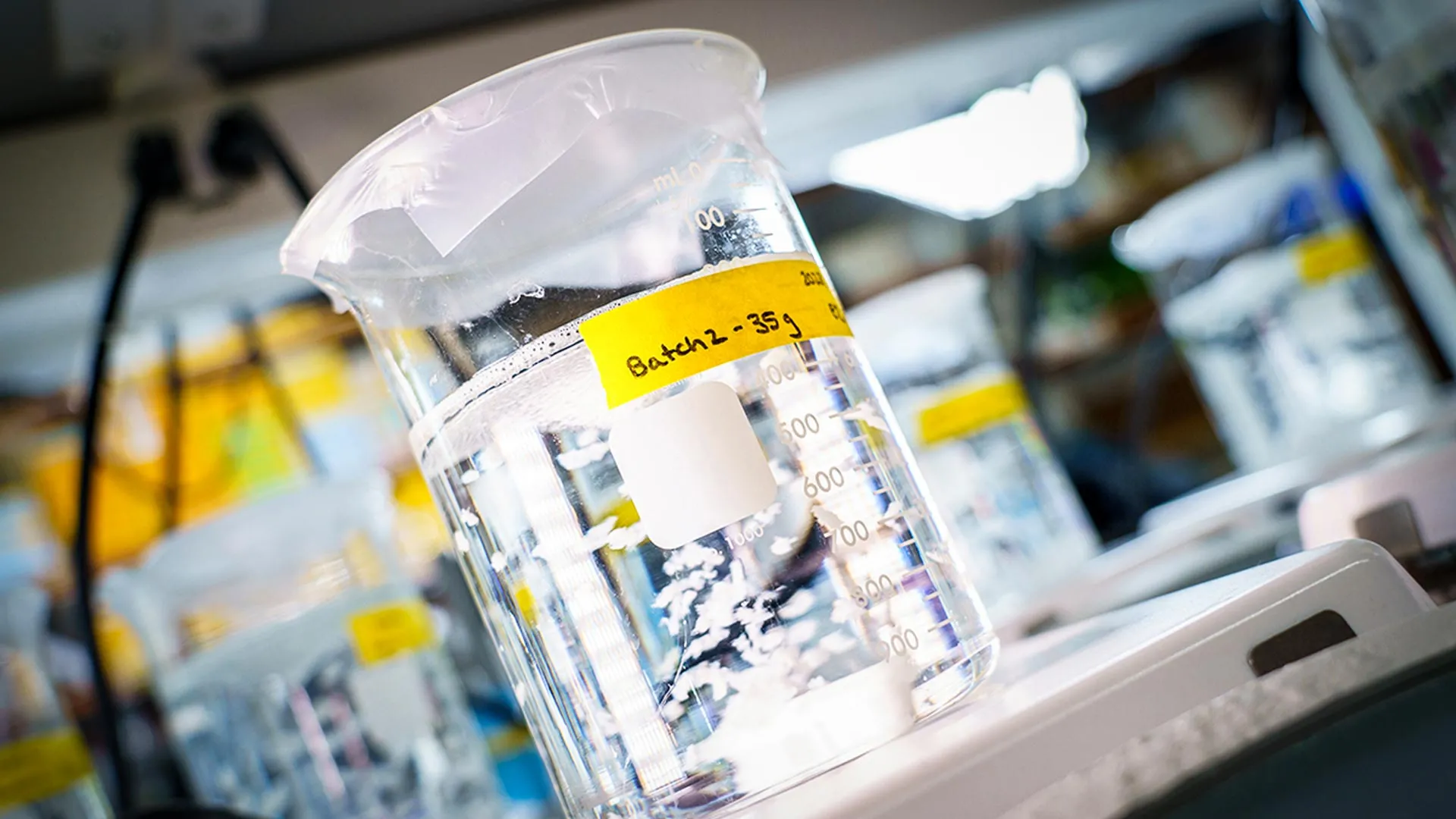
In a study published in Nature Biomedical Engineering in 2022, the team unveiled a refined version of their ECM material. By processing the liquid precursor of the hydrogel through a centrifuge, lead author Martin Spang successfully separated larger particles, isolating nano-sized particles capable of navigating the microvasculature. This freeze-dried powder can be reconstituted with sterile water and infused intravenously or via a coronary artery catheter, allowing it to reach damaged tissue immediately during standard procedures like stenting or angioplasty.
Supporting Data: Mechanisms of Repair
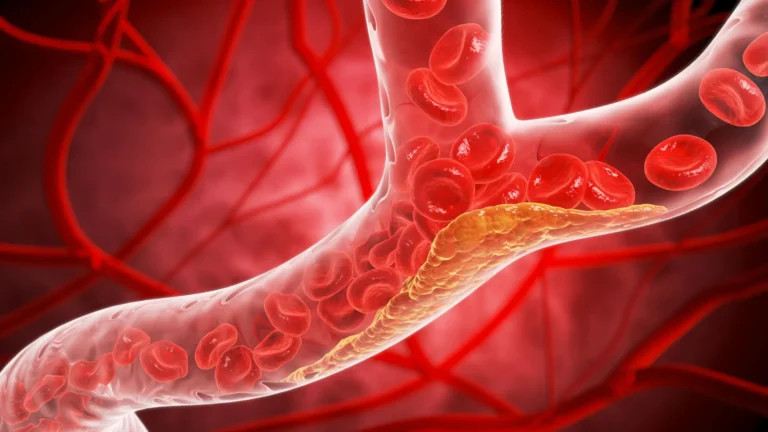
The efficacy of this biomaterial lies in its unique interaction with the body’s vasculature. In the immediate aftermath of a heart attack, the heart’s microvessels become "leaky," as gaps form between the endothelial cells that line the vessel walls.
Targeting the Injury
When infused, the biomaterial does not simply circulate aimlessly; it localizes to these areas of damage. Contrary to the researchers’ initial hypothesis that the material would pass through the gaps into the surrounding tissue, the study observed that the material actually adhered to the endothelial cells themselves. By binding to these cells, the biomaterial effectively sealed the gaps, promoting vessel healing and significantly reducing the inflammatory response—a major driver of secondary tissue damage following an infarction.
Preclinical Success
The results in animal models were compelling. In both rodent and porcine (pig) models of acute myocardial infarction, the administration of the biomaterial led to:
- Improved Wall Motion: Hearts showed better mechanical function compared to untreated controls.
- Reduced Ventricular Volumes: The material helped prevent the pathological "remodeling" of the heart that leads to failure.
- Genetic Markers of Healing: Analysis revealed gene expression changes associated with enhanced tissue repair and reduced chronic inflammation.
The 2025 Perspective
Advancements have continued to deepen our understanding of these mechanisms. A 2025 study published in Nature Communications, which included participation from the Christman lab, utilized cutting-edge spatial transcriptomics and single-nucleus RNA sequencing to map the healing process. The research confirmed that extracellular matrix therapies trigger a cascade of pro-repair signals, including immune modulation, the development of new lymphatic vessels, and even neurogenesis—the growth of nerve cells—within the injured heart tissue.
Official Perspectives: Bridging the Gap to Human Trials
The medical community views this technology with a mixture of cautious optimism and professional excitement. Dr. Ryan R. Reeves, a physician in the UC San Diego Division of Cardiovascular Medicine, emphasizes the urgent need for such interventions.
"Coronary artery disease, acute myocardial infarction, and congestive heart failure continue to be the most burdensome public health problems affecting our society today," Dr. Reeves notes. "As an interventional cardiologist, who treats patients with these conditions on a daily basis, I would love to have another therapy to improve patient outcomes and reduce debilitating symptoms."
Dr. Reeves highlights that the primary objective of current cardiac care is to prevent the transition from a heart attack to chronic heart failure. He suggests that a therapy as easy to administer as an IV infusion could fundamentally change how cardiologists manage patients in the critical hours following an emergency.
Karen Christman, who co-founded the startup Ventrix Bio, Inc. to advance these technologies, has maintained a steady focus on the transition to human clinical trials. While the journey from the lab bench to the hospital bed is long and strictly regulated, the team is currently preparing to seek FDA authorization for clinical testing of the intravascular biomaterial.
Implications: Beyond the Heart
Perhaps the most exciting aspect of this biomaterial is its potential for versatility. While the initial focus has been on the heart, the researchers have already conducted proof-of-concept experiments in rats targeting other inflammatory conditions.
A Universal Delivery System
The fundamental problem in treating many internal injuries is accessibility. Organs like the brain or lungs are difficult to reach without invasive surgery. However, because all these tissues are supplied by a dense network of blood vessels, the "bloodstream-first" approach provides a potential delivery route for almost any part of the body.
The study indicated that this biomaterial could be adapted to treat:
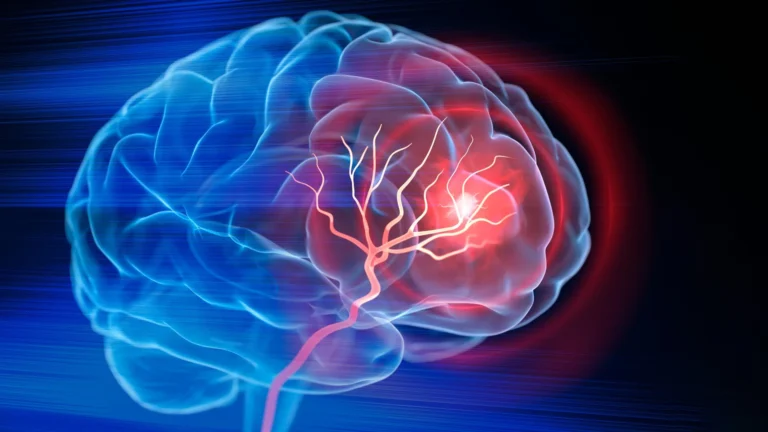
- Traumatic Brain Injury (TBI): Reducing neuro-inflammation through targeted vascular delivery.
- Pulmonary Arterial Hypertension: Addressing the damage within the vessels of the lungs.
- Chronic Wound Healing: Providing scaffolds to organs currently considered "difficult-to-access."
Future Outlook
As the field of regenerative medicine evolves, the role of extracellular matrix materials is expected to grow. While the intravascular biomaterial remains in the experimental phase, the ongoing work by Ventrix Bio—including the separate clinical trial for the injectable VentriGel in children with hypoplastic left heart syndrome—signals a broader commitment to bringing these bioengineered solutions to the patients who need them most.
If the upcoming human trials for the intravascular material prove successful, the standard of care for a heart attack could eventually include a routine infusion designed to "patch" the heart from within. This would represent a historic shift: moving from merely managing the aftermath of a cardiac event to actively instructing the heart to heal itself.
For the millions living with the specter of heart failure, this bioengineered approach offers more than just a new treatment; it offers the promise of a more resilient, functional, and healthy future. As Dr. Reeves concludes, the potential for such an "easy-to-administer therapy" to integrate into current clinical workflows is what makes this development a genuine game-changer for modern medicine.