











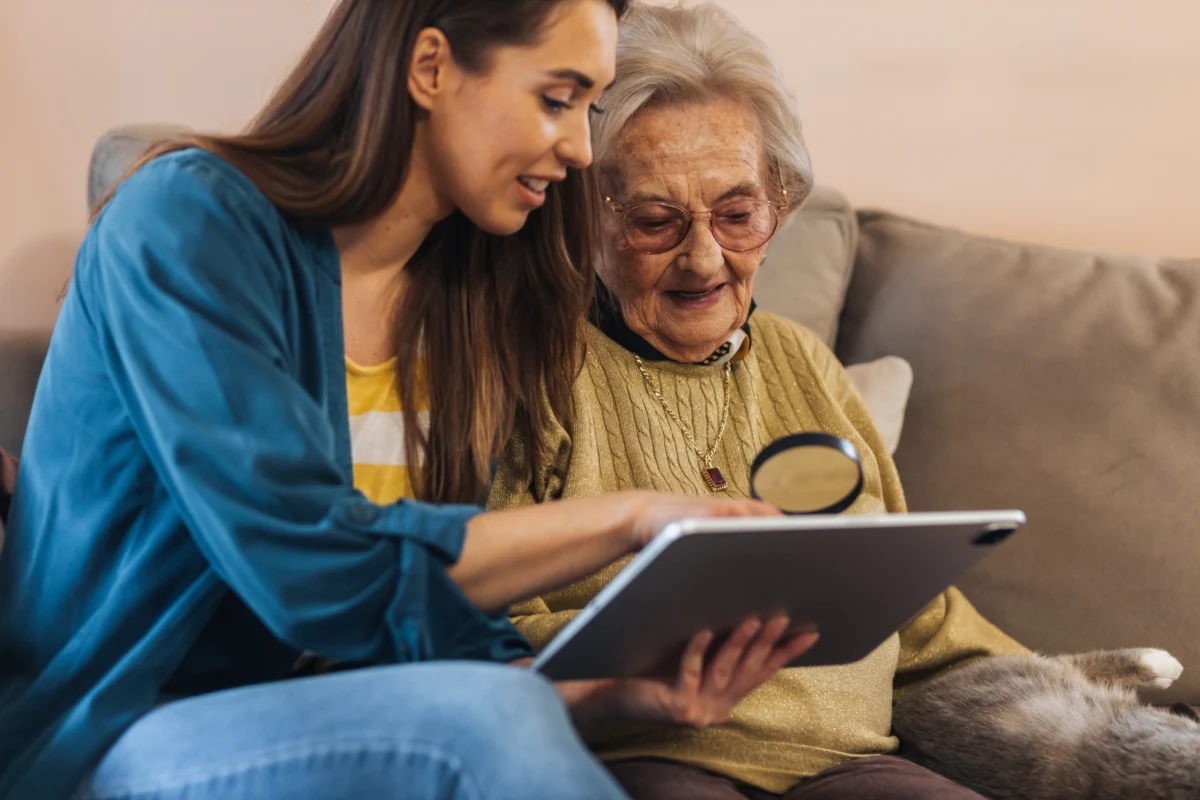
In the landscape of modern medicine, few innovations have had as profound an impact on the aging population as the rapid integration of telehealth. Once viewed as a peripheral convenience, virtual medical appointments—conducted via smartphone, tablet, or computer—have evolved into a cornerstone of patient-centered care. For millions of older adults, the ability to consult with a clinician without navigating the physical and logistical hurdles of traditional travel is more than a luxury; it is a fundamental shift in how we manage long-term health, chronic conditions, and general wellness.
As we move deeper into the 21st century, the “aging in place” movement—the desire of seniors to remain in their own homes for as long as possible—is being bolstered by the robust capabilities of remote digital health.
The Evolution and Main Facts of Modern Telehealth
Telehealth represents the convergence of telecommunications and clinical medicine. At its core, it allows patients to engage in synchronous video consultations or asynchronous messaging with healthcare providers. The central premise is simple: proximity to a clinic should not dictate the quality or frequency of care.
For the older adult demographic, the benefits are multi-faceted. First, there is the elimination of the "transportation burden." Many seniors face mobility challenges that make driving or arranging specialized transit a significant source of stress and physical strain. Second, there is the issue of clinical safety. Traditional waiting rooms, while necessary, are hubs of viral and bacterial transmission. By opting for a virtual visit, immunocompromised or frail patients can effectively "quarantine" their medical interactions, shielding themselves from unnecessary exposure to seasonal pathogens like the flu or COVID-19.
Moreover, telehealth has proven exceptionally effective for the management of chronic conditions—such as hypertension, diabetes, and heart disease—which require frequent, routine check-ins. Instead of taking a full day to travel to a specialist, a patient can conduct a medication review or a symptom follow-up during a brief, focused digital session.
Chronology: From Experimental Tool to Clinical Standard
The rise of telehealth was not an overnight phenomenon, though it was certainly accelerated by global events.
- Pre-2020: The Niche Phase. For years, telehealth was primarily used by rural populations or within specific hospital networks that invested heavily in remote monitoring technologies. It was often viewed as a "second-best" option.
- 2020–2022: The Paradigm Shift. The global pandemic forced a total systemic rethink of healthcare delivery. Regulations regarding licensure and insurance reimbursement were temporarily relaxed, allowing telehealth to move from a niche offering to the primary interface for millions of patients.
- 2023–Present: The Stabilization Phase. As the world returned to a "new normal," the medical community began to codify telehealth into standard practice. Providers are now refining the user experience, integrating home-monitoring devices (like blood pressure cuffs that sync with smartphones), and establishing clear guidelines on when virtual care is appropriate versus when an in-person physical exam is mandatory.
Supporting Data: The Impact on Patient Outcomes
Research consistently highlights that telehealth improves patient adherence to treatment plans. A significant barrier to medical compliance for the elderly is the effort required to attend follow-up appointments. When those barriers are removed, attendance rates climb.
Data from geriatric studies suggest that patients using telehealth for chronic disease management report higher satisfaction levels due to reduced travel fatigue. Furthermore, mental health support—an area often neglected in traditional primary care due to time constraints—has seen a surge in accessibility. Tele-therapy and virtual geriatric psychiatry sessions have allowed seniors to maintain consistent mental health monitoring without the need for complex travel arrangements.
However, the efficacy of these systems relies on a "digital bridge." This requires:
- A Reliable Interface: A smartphone, tablet, or desktop computer.
- Connectivity: A stable high-speed internet connection to ensure video quality.
- Digital Literacy: Simple, intuitive interfaces provided by hospital portals to prevent the "technology gap" from becoming a barrier to care.
Clinical Triage: A Guide for Patients
One of the most common questions patients ask is: "Can my condition be handled through a screen?" The clinical community has established clear guidelines to ensure patient safety while maximizing convenience.
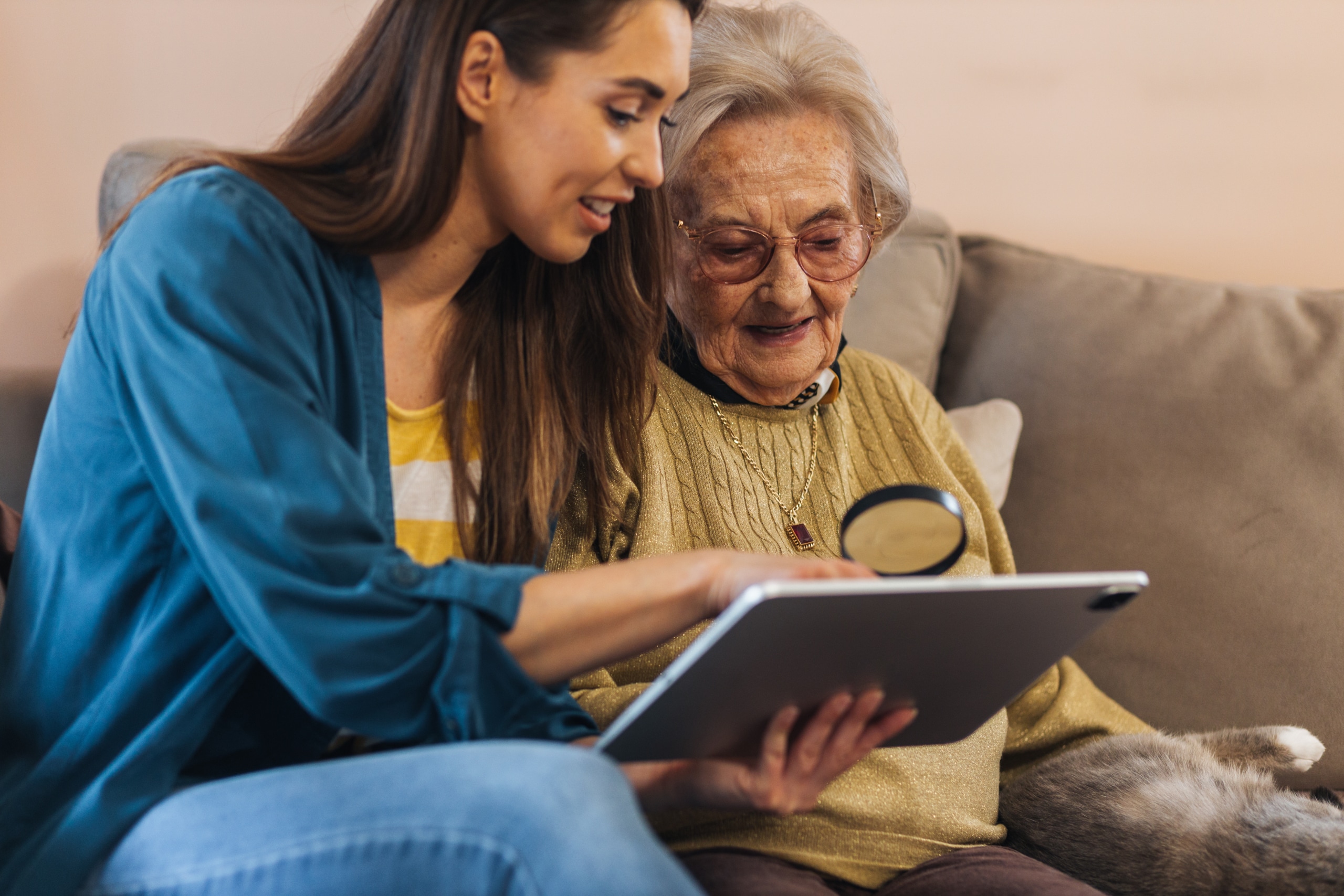
When to Utilize Telehealth
- Minor Acute Issues: Symptoms like the common cold, seasonal allergies, mild rashes, or minor infections can often be diagnosed via visual inspection during a video call.
- Chronic Disease Maintenance: Routine blood pressure checks, medication adjustments, and follow-ups for stable conditions are ideal for virtual interaction.
- Mental Health and Wellness: Counseling sessions, grief support, and general mental health check-ins are highly effective in a virtual setting.
- Administrative Tasks: Medication refills, review of lab results, and general questions regarding treatment plans.
When to Seek Immediate In-Person Care
Conversely, certain "red flag" symptoms necessitate an immediate visit to an urgent care facility or an emergency room:
- Cardiovascular Distress: Chest pain, shortness of breath, or palpitations.
- Neurological Signs: Sudden facial drooping, slurred speech, or confusion—all of which are potential signs of a stroke.
- Trauma: Broken bones, significant head injuries, or deep lacerations.
- Systemic Crises: Uncontrolled bleeding, severe abdominal pain, or high fevers (above 104°F) that do not respond to basic interventions.
- Sensory Loss: Sudden, unexplained loss of vision or hearing.
Official Responses and Navigating Security
As telehealth has expanded, so too have concerns regarding privacy and fraud. Cybersecurity experts and healthcare regulators have issued strict warnings: the convenience of digital care must never override the necessity of digital safety.
The official stance from major health advocacy groups is clear: Only use verified portals. When a patient receives an email or sees an ad for a "telehealth provider" they do not recognize, they should be highly skeptical.
"The safest way to access virtual care," notes Katrin Werner-Perez, Director of Health Programs for the Alliance for Aging Research, "is through your existing healthcare provider or insurance company. Always use the member portal provided by your insurer or call the verified number on the back of your insurance card."
Key safety protocols include:
- Never share financial information with a provider you have not verified through your official insurance network.
- Avoid unsolicited links. If you receive a text or email claiming to be from a doctor you have never seen, do not click the link.
- Understand your benefits. Most insurance plans now have robust coverage for telehealth, but it is vital to call your provider to confirm what is covered to avoid surprise billing.
Implications for the Future of Geriatric Care
The implications of the telehealth revolution are far-reaching. As the global population continues to age, the demand for medical services will outpace the number of available clinicians. Telehealth provides a mechanism to scale care, allowing doctors to see more patients in a given day by reducing the "dead time" associated with travel and physical facility management.
However, the future success of this model depends on closing the digital divide. Policymakers and healthcare organizations must continue to invest in programs that provide seniors with both the hardware and the training necessary to navigate these digital tools. We are moving toward a future where "the doctor’s office" is no longer a specific building, but a digital space where patients and providers meet to prioritize longevity and quality of life.
By embracing these tools with caution, curiosity, and the guidance of trusted medical professionals, older adults can take greater control over their health, ensuring that they remain independent, informed, and well-cared for, right from the comfort of their own homes.
For more information on navigating the complexities of aging, or to find resources regarding the latest in health advocacy, visit the Alliance for Aging Research website.