For decades, the central nervous system (CNS) was viewed by the scientific community as an "immune-privileged" site—a walled garden isolated from the body’s systemic defenses. However, a paradigm shift is underway. Emerging research now suggests that T cells—the elite tactical units of the immune system—are not merely onlookers in the brain but are, in fact, essential guardians of cognitive function, neuroprotection, and neural regeneration.
A recent body of research has synthesized the multifaceted role of T cells, moving beyond their traditional reputation as inflammatory instigators to reveal their potential as regenerative agents. This discovery has paved the way for "Personalized Adoptive Neuro-Immunotherapy," a cutting-edge approach that aims to rejuvenate the brain by repairing its most vital immune partners.
Main Facts: The Dual Nature of T Cells in the CNS
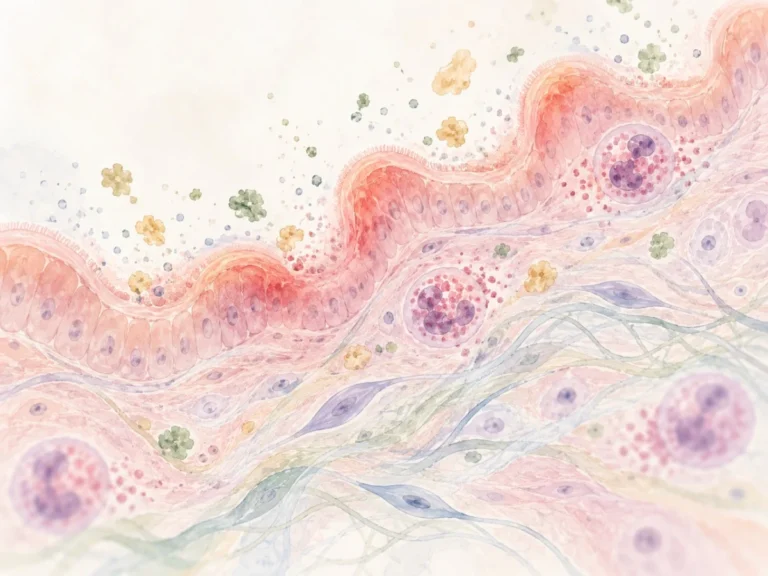
T cells perform a staggering array of biological tasks: immune surveillance, antigen recognition, communication, and eradication. While often associated with fighting infection, their role in the brain is far more nuanced.
The Beneficial Brain Guardian
Research indicates that T cells are critical for maintaining homeostasis within the healthy brain. They facilitate cognitive processes, support spatial learning and memory, and contribute to adult neurogenesis—the process of generating new neurons. Furthermore, in the aftermath of injury, T cells act as first responders, limiting inflammation and preventing secondary neuronal degeneration. By secreting neuroprotective molecules and maintaining direct cell-to-cell contact, these cells create an environment conducive to survival and recovery.
The Pathogenic Paradox
Conversely, the "pathogenic" T cell is the antagonist in many neuroinflammatory and neurodegenerative disorders, such as Multiple Sclerosis (MS). Yet, the narrative is shifting; recent animal studies demonstrate that specific subpopulations of these same cells, when properly regulated, possess the power to trigger regenerative pathways in diseases like Alzheimer’s, Parkinson’s, ALS, and even after strokes or traumatic brain injuries.
Chronology: From Immune Exclusion to Neuro-Integration
The journey toward understanding the brain-immune axis has been marked by several key scientific milestones:
- Mid-20th Century (The Era of Isolation): The concept of "immune privilege" dominated. It was widely believed that the blood-brain barrier (BBB) effectively quarantined the brain from the peripheral immune system.
- Late 1990s to Early 2000s: Researchers began identifying T cells within the brain parenchyma, particularly in cases of MS. Initially, these were viewed strictly as invaders.
- 2010s (The Discovery of Neuro-Immune Cross-talk): Studies began to show that T cells were not just infiltrating the brain; they were interacting with glial cells and neurons. The term "Nerve-Driven Immunity" emerged as scientists realized that neurotransmitters were directly influencing T cell behavior.
- 2020–Present (The Therapeutic Horizon): The focus has shifted from mere observation to intervention. The development of "Personalized Adoptive Neuro-Immunotherapy" represents the current frontier, moving from bench-side observations of T cell dysfunction to clinical strategies for cell rejuvenation.
Supporting Data: Why T Cells Fail and How to Fix Them
The primary challenge in neuro-immunology is that T cells, like the individuals they inhabit, suffer from the wear and tear of time and disease.
The Mechanics of Dysfunction
In aging, Glioblastoma (brain tumors), chronic stress, and neurodegenerative diseases, T cells undergo a process of decline. This is characterized by four distinct failures:
- Activation-Induced Cell Death: The cells die prematurely upon stimulation.
- Exhaustion: Chronic exposure to disease markers renders the T cells "numb" and unresponsive.
- Senescence: The cells enter a state of biological aging, losing their regenerative capacity.
- Impaired Stemness: The T cells lose their ability to self-renew and differentiate, leaving the body without a "fresh" supply of immune soldiers.
The "Nerve-Driven Immunity" Mechanism
The breakthrough in understanding how to reverse this dysfunction lies in the T cell’s ability to "listen" to the brain. Normal human T cells possess receptors for a variety of neurotransmitters and neuropeptides, including:
- Dopamine: Crucial for activation.
- Glutamate: Involved in signaling.
- Somatostatin and Neuropeptide Y: Regulators that modulate immune responses.
- GnRH-II and CGRP: Signaling molecules that trigger protective pathways.
By exposing T cells to these specific molecules ex vivo, researchers have found they can "reprogram" exhausted or senescent cells, restoring their vitality and functional capacity.
Official Responses and Peer Perspectives
The scientific community has reacted with cautious optimism toward the development of Personalized Adoptive Neuro-Immunotherapy.
"The transition from observing T cells as simple ‘attackers’ to viewing them as essential ‘maintenance workers’ of the brain is the most significant shift in neuro-immunology this century," notes one lead researcher in the field. However, experts emphasize that while the ex vivo data is compelling, the jump to human clinical trials remains the ultimate hurdle.
Critics and institutional reviewers point to the complexity of the blood-brain barrier and the difficulty of ensuring that rejuvenated T cells, once re-introduced into the body, will cross the BBB and specifically target the damaged regions of the brain without triggering off-target autoimmune reactions. Regulatory bodies have signaled that the safety protocols for such therapy must be exceptionally rigorous, given the sensitive nature of the CNS environment.
Implications: The Future of Personalized Neuro-Immunotherapy
The promise of Personalized Adoptive Neuro-Immunotherapy is twofold: diagnostic and therapeutic.
The Diagnostic Edge
The proposed treatment involves an initial ex vivo diagnostic phase. By analyzing a patient’s T cells, doctors can determine the exact level of exhaustion or senescence. This provides a "biomarker map" of the patient’s immune health, allowing for a therapy that is as unique as a fingerprint.
The Therapeutic Potential
Once the profile is established, the therapy moves to the ex vivo/in vivo stage. The patient’s own T cells are collected, exposed to a tailored "cocktail" of neurotransmitters and neuropeptides to rejuvenate them, and then reintroduced into the patient.
If proven safe and effective in upcoming clinical trials, this could revolutionize the treatment of:
- Neurodegenerative Disorders: Offering a way to slow or reverse the decline in Alzheimer’s and Parkinson’s by bolstering the brain’s own repair mechanisms.
- Glioblastoma: Providing a new strategy to overcome the immunosuppressive microenvironment of brain tumors, which currently prevents T cells from attacking cancer cells.
- Chronic Viral Infections and Aging: Addressing the systemic "immunosenescence" that leaves elderly populations vulnerable to infection and neuro-pathologies.
A New Era of Medicine
This approach moves medicine away from the "one-size-fits-all" model of pharmaceuticals and toward a biological partnership. By leveraging the body’s innate ability to communicate—using the very neurotransmitters that govern our thoughts and emotions to command our immune system—we may finally be on the cusp of healing the brain from within.
While the path from the laboratory to the bedside is long, the convergence of neuroscience and immunology has provided a map. The T cell, once a misunderstood soldier, is now emerging as a master regulator of brain health, promising a future where we don’t just treat brain disease—we proactively maintain the very architecture of the mind.
Summary of Future Research Requirements
To transition from experimental models to standard clinical care, the following steps are mandatory:
- Validation of Safety: Proving that ex vivo rejuvenation does not lead to hyper-active immune responses in the brain.
- Dosage Standardization: Establishing how many times an individual needs to undergo the "rejuvenation" process.
- Cross-Disease Application: Testing whether the same neurotransmitter cocktails work across different pathologies, or if they must be strictly disease-specific.
As clinical trials approach, the eyes of the medical world remain fixed on the promise of this therapy. If successful, it will confirm that the key to unlocking the mysteries of the brain was, all along, hidden in the cells patrolling its borders.