


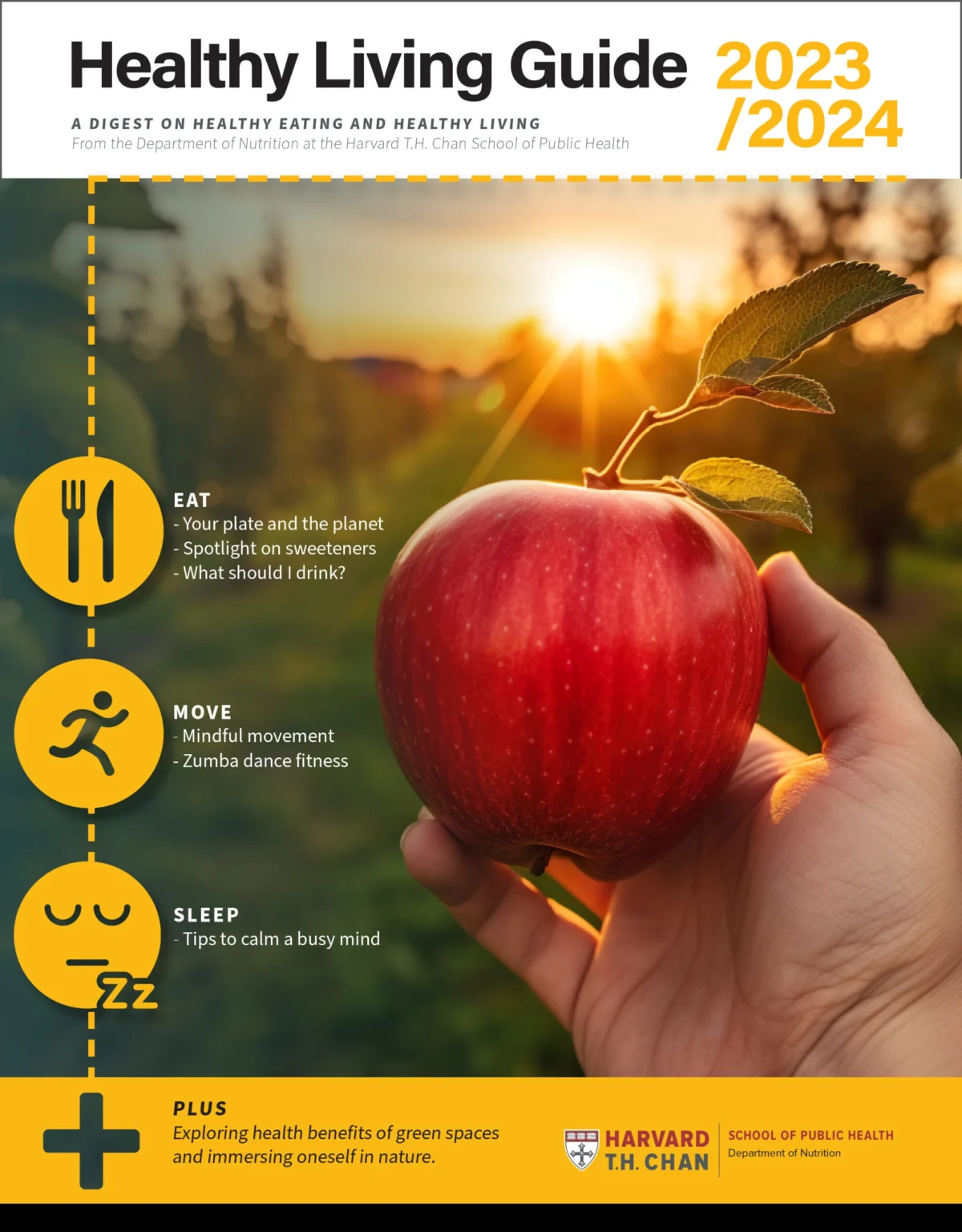
As we step into 2024, the pursuit of longevity and holistic well-being has moved beyond the simple “diet and exercise” mantra of previous decades. In an era defined by rapid technological advancement and environmental flux, the Department of Nutrition at Harvard T.H. Chan School of Public Health has released its fourth annual Healthy Living Guide. This year’s edition is not merely a collection of health tips; it serves as a comprehensive synthesis of contemporary science, blending the rigors of nutritional research with the ancient, transformative power of mindfulness.
Main Facts: The Intersection of Mindfulness and Public Health
The 2023-2024 Healthy Living Guide arrives at a pivotal moment. The cornerstone of this year’s publication is the official integration of the Thich Nhat Hanh Center for Mindfulness in Public Health. Established within the Department of Nutrition, this Center represents a paradigm shift in how academic institutions view human health.
The core philosophy of this edition is captured in a poignant quote by Thich Nhat Hanh: "The apple in your hand is the body of the cosmos." This perspective invites readers to view their nutritional choices not as isolated caloric intakes, but as an interconnected act—a bridge between the individual’s physiological health and the health of the planet. By focusing on "mindful eating," the guide encourages readers to move away from the frantic, distracted consumption patterns that have become common in modern society, replacing them with a deliberate, appreciative, and sustainable approach to nourishment.
Chronology: A Trajectory of Growth
The evolution of the Healthy Living Guide mirrors the rapid expansion of nutritional science over the last four years.
- 2020-2021 (The Inaugural Edition): The series began as a foundational response to the need for reliable, science-backed information during a period of global health uncertainty. It established the core pillars of the publication: nutrition, physical activity, and sleep.
- 2021-2022 (Expansion of Scope): The second edition focused on diversifying the dietary recommendations to be more inclusive of cultural foodways and sustainable agricultural practices.
- 2022-2023 (Integrating Systems Science): This edition began to connect the dots between individual health outcomes and environmental sustainability, laying the groundwork for the current emphasis on the "planetary diet."
- 2023-2024 (The Mindfulness Integration): The current edition solidifies the role of mental awareness. By launching the Thich Nhat Hanh Center, the Department of Nutrition has formally codified mindfulness as a public health tool, marking the first time such an approach has been given this level of prominence in the annual series.
Supporting Data: Nutrition, Movement, and Rest
The 2023-2024 guide addresses three critical pillars of health, supported by the latest clinical research and observational studies.
The Ultra-Processed Food Dilemma
A significant portion of this year’s research highlights the dangers of ultra-processed foods (UPFs). The guide synthesizes recent longitudinal studies that correlate high consumption of UPFs—often containing additives, stabilizers, and high-fructose corn syrup—with poor mental health outcomes. The data suggests that the "gut-brain axis" is significantly compromised by diets high in processed sugars and artificial chemicals, leading to increased systemic inflammation and cognitive fog.
The Kinetic Revolution: Zumba and Beyond
Physical activity is reimagined in this edition. Moving away from the "no pain, no gain" mentality, the guide examines the efficacy of dance-based aerobic exercise, such as Zumba. Research cited in the guide highlights that rhythm-based movement not only satisfies the requirements for cardiovascular health but also acts as a neuroprotective measure. The "fun factor" of music-integrated exercise is shown to increase long-term adherence to physical activity goals compared to solitary, repetitive gym routines.
Decoding Chronotypes
Sleep remains a complex variable in the public health equation. The 2023-2024 guide introduces the importance of "chronotypes"—the biological predisposition of an individual to be an "early bird" or a "night owl." The guide provides evidence that forcing individuals to operate against their internal biological clocks can lead to metabolic dysregulation, including insulin resistance and elevated cortisol levels. Providing strategies to optimize sleep quality based on these chronotypes is a new, crucial focus for the Department.
Official Responses and Expert Perspectives
The leadership at the Harvard Department of Nutrition has been clear regarding the mission of this year’s release. Faculty members involved in the Thich Nhat Hanh Center have emphasized that mindfulness is not a "soft" science but a pragmatic intervention.
"We are looking at the population level," a representative from the Center stated during the launch. "If we can teach populations to eat with intention, we reduce the demand for processed foods, we improve digestion, and we foster a deeper connection to the source of our food. This has a direct ripple effect on reducing carbon footprints and improving individual mental health outcomes."
The consensus among the contributors is that health is no longer a personal responsibility alone but a social and environmental one. By providing printable tip sheets and actionable summaries, the Department aims to democratize access to this high-level research, ensuring that the "science of living" is accessible to everyone, not just those in clinical settings.
Implications: A New Era of Health Literacy
The implications of this year’s guide are far-reaching. As we navigate 2024, the shift toward a more mindful approach to health literacy suggests several key trends:
- Systemic Health: We are moving toward a model where personal dietary habits are scrutinized for their environmental cost. The guide suggests that the "healthiest" diet is one that is both nutrient-dense and sustainably sourced.
- Psychological Integration: Mental health is being treated as inseparable from physical health. The inclusion of mindfulness as a foundational pillar suggests that future public health guidelines will likely rely more heavily on behavioral psychology to combat chronic lifestyle diseases.
- Personalization: The exploration of chronotypes signifies a departure from the "one-size-fits-all" dietary and exercise guidelines of the late 20th century. Future recommendations will increasingly be tailored to the individual’s unique genetic and biological markers.
How to Utilize the 2023-2024 Guide
The Healthy Living Guide is designed to be an interactive resource. Readers are encouraged to download the PDF, which includes:
- Printable Tracker Sheets: To log sleep, mood, and nutrition.
- Evidence Summaries: Quick-reference guides on the latest findings regarding UPFs and mental health.
- Community Engagement Tools: Strategies to bring mindfulness practices into family meal times or community gatherings.
Furthermore, the guide includes an interactive component: a "Healthy Living Knowledge Quiz." This serves as a retrospective on the previous year’s insights, encouraging readers to maintain continuity in their health journeys. For those who may have missed the 2022-2023 edition, the archive remains available, providing a comprehensive library of health wisdom that, when combined with the current issue, creates a robust framework for personal health management.
Conclusion
The 2023-2024 Healthy Living Guide is a testament to the fact that the most profound health breakthroughs often lie at the intersection of ancient wisdom and modern inquiry. By embracing mindfulness, honoring our unique biological rhythms, and choosing food with intention, we can significantly alter our health trajectory. As we move through 2024, the invitation from the Harvard Department of Nutrition is clear: take a moment to pause, reflect, and act with the knowledge that your well-being is intrinsically linked to the world around you.
To begin your journey into this year’s research, the full printable Healthy Living Guide is available for download at the official Harvard Nutrition Source website.