For decades, the multi-billion-dollar anti-aging industry has been dominated by the promise of serums, retinols, and synthetic supplements. Yet, while millions of people focus on their skin’s surface, a groundbreaking theory emerging from Edith Cowan University (ECU) suggests that the most potent anti-aging intervention may not be found in a bottle, but in a boarding pass.
Researchers at ECU have introduced an intriguing, interdisciplinary perspective: tourism as a form of "travel therapy" that may actively slow the biological clock. By applying the laws of entropy to human biology, scientists are proposing that well-curated travel experiences can help the body maintain its internal order, resilience, and repair mechanisms, effectively turning the vacation industry into a burgeoning field of preventative medicine.
The Entropy of Aging: A New Scientific Framework
The 2024 study, published in the Journal of Travel Research, moves away from the traditional view of tourism as mere recreation. Instead, it utilizes the theory of entropy—the thermodynamic concept that systems naturally drift toward disorder—to explain the aging process. In the human body, aging is the gradual loss of the body’s ability to maintain its "low entropy" state, or its state of high organization and optimal function.
"Aging, as a process, is irreversible," explains Ms. Fangli Hu, a PhD candidate at ECU and lead author of the study. "While it can’t be stopped, it can be slowed down."
According to the research, the environment in which we live plays a critical role in this drift. A life of chronic stress, stagnant routine, and environmental monotony can accelerate the body’s move toward "disorder." Conversely, positive travel experiences—characterized by novelty, sensory stimulation, and physical activity—may act as a biological counterweight, helping the body "re-organize" and maintain its structural and functional integrity.
Chronology of an Emerging Science
The shift toward viewing tourism through a medical lens has been a rapid development in the academic world:
- Early 2024: ECU researchers publish their foundational paper in the Journal of Travel Research, introducing the "entropy theory of aging" in the context of tourism. This work successfully bridges the gap between leisure studies and physiological health.
- Early 2025: A research note by Hu and colleagues further formalizes "travel therapy," distinguishing between restorative tourism and high-stress travel.
- Mid-2025: A significant paper appears in the Annals of Tourism Research, calling for a formal marriage between travel medicine and the tourism industry to better understand the intersection of preventive care and global mobility.
- Late 2025: A comprehensive systematic review confirms that while the field is still in its infancy, the link between travel and "healthy aging" is gaining traction as a legitimate, albeit under-researched, interdisciplinary area of study.
The Mechanisms: How Travel Protects the Body
If travel is indeed a form of therapy, how does it actually influence the body’s defenses? The researchers point to four specific systemic interventions that occur when we step out of our daily routine:
1. Metabolic Activation and Movement
Travel is rarely a sedentary endeavor. Whether it is navigating a new city, hiking a coastal trail, or simply carrying luggage through an airport, the act of traveling encourages movement. This physical activity increases metabolic rate and promotes the efficient transport of nutrients throughout the body. By keeping the muscles and joints active, travelers prevent the "wear and tear" associated with sedentary lifestyles, supporting the body’s innate self-healing systems.
2. Stimulating the Adaptive Immune System
Unfamiliar environments are not just mentally stimulating; they are physiologically challenging in a positive way. Exposing the body to new settings can help prime the adaptive immune system, allowing it to better recognize and respond to external threats. As Ms. Hu notes, "The self-defense system becomes more resilient. Hormones conducive to tissue repair and regeneration may be released, promoting the functioning of the self-healing system."
3. Stress Reduction and Systemic Balance
Chronic stress is a primary driver of high entropy—it causes the body to degrade and "disorder." Relaxing travel activities, such as immersion in nature or cultural exploration, serve to downregulate the body’s stress response. By calming an overactive immune system and reducing the inflammation associated with chronic stress, travel allows the body to re-allocate energy toward repair rather than survival.
4. Psychological Novelty and Cognitive Resilience
The brain, like any other organ, benefits from "neuroplasticity" spurred by new experiences. The mental demands of navigating a foreign language, map, or culture keep the mind sharp and prevent the cognitive decline associated with rigid, repetitive routines.
Official Responses and Expert Caution
The academic community has received these findings with a mixture of excitement and necessary skepticism. While the theory of "travel therapy" is compelling, researchers are quick to emphasize that not all travel is created equal.
"Tourism isn’t just about leisure and recreation," Ms. Hu says, but she is equally vocal about the risks. The 2025 research note warns that travel can be a double-edged sword. Poorly planned travel, exposure to infectious diseases, dangerous environmental conditions, or high-stress itineraries can accelerate the very entropy they seek to reduce. The COVID-19 pandemic serves as a stark reminder that global mobility can, under the wrong circumstances, facilitate a rapid increase in systemic disorder.
Furthermore, public health experts argue that for travel to be an effective health intervention, it must be accessible. Currently, the benefits of "travel therapy" are largely enjoyed by those with the financial and physical means to do so. A critical question for future research is how to translate these findings into public health policies that make restorative travel more equitable.
Implications for the Future of Wellness
The implications of this research are vast, potentially changing the way we perceive both retirement and healthcare. If we accept that environmental novelty and physical activity are essential for slowing the aging process, then healthcare providers might one day "prescribe" travel in the same way they prescribe physical therapy or diet changes.
Redefining Healthcare
The recent push for collaboration between travel medicine and tourism suggests a future where "preventive travel" is a standard recommendation for those looking to maintain their health into old age. This could involve customized itineraries focused on low-stress environments, moderate physical activity, and social integration—elements proven to bolster the body’s resilience.
The Need for Rigorous Data
Despite the promise, the field remains "underexplored." The 2025 systematic review underscores the need for longitudinal studies. We need to know:
- What is the "minimum dose" of travel required to see health benefits?
- Do the benefits last after the traveler returns home?
- How do these effects differ between age groups and individuals with existing health conditions?
Conclusion: A New Way to Travel
The research from Edith Cowan University offers a refreshing, if unconventional, perspective on the human condition. It suggests that we are not merely passive recipients of aging, but active participants in the maintenance of our own biological systems.
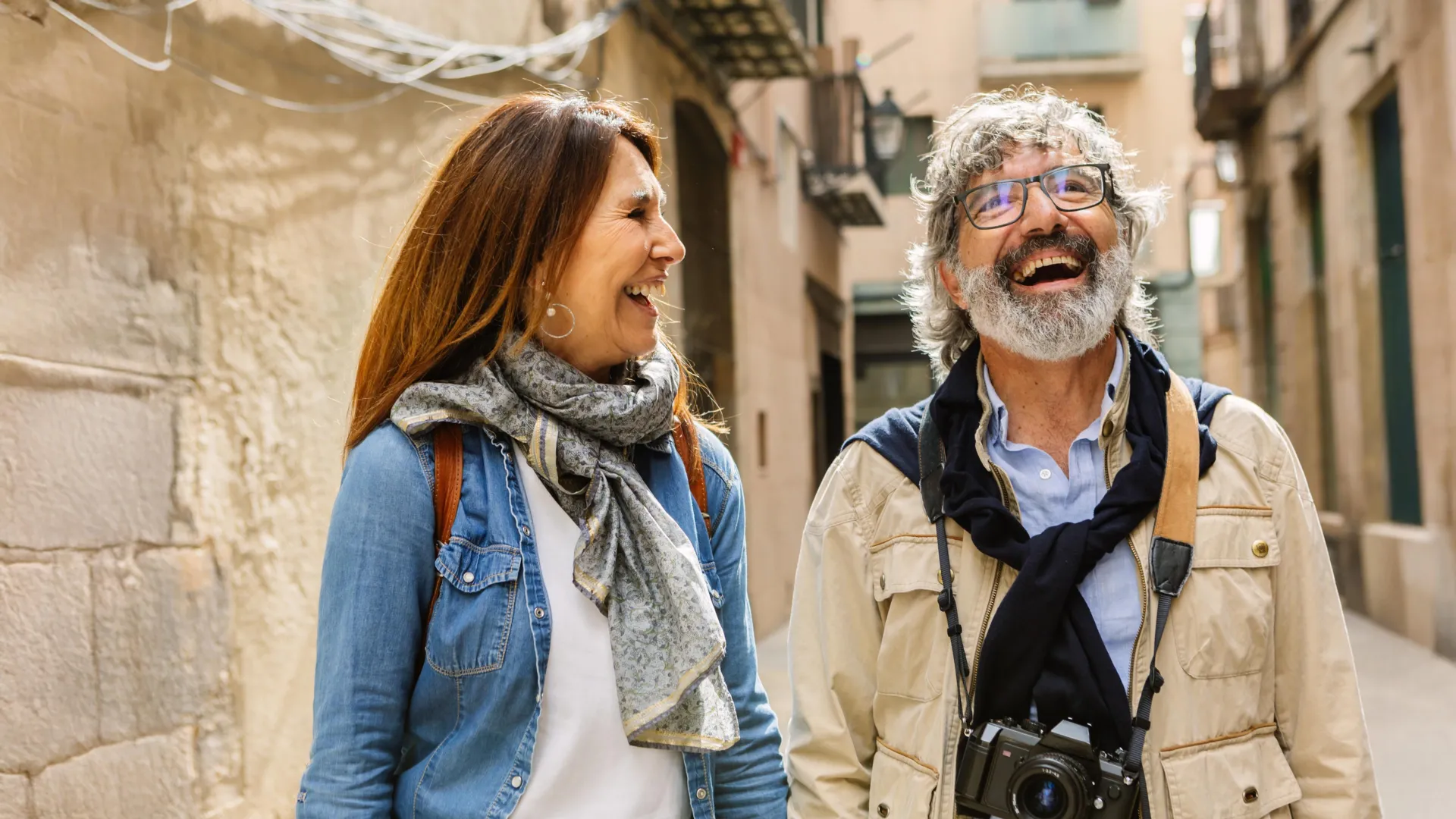
Travel, in its most restorative form, provides the novelty, the physical demand, and the social connection necessary to keep the "entropy" of the body at bay. While it may not be a permanent cure for the passage of time, it provides a compelling reason to step away from the desk, leave the routine behind, and seek out the world.
As the science of travel therapy continues to evolve, one thing becomes clear: the most effective way to stay young may simply be to keep moving. By prioritizing travel that is safe, active, and mentally engaging, we aren’t just creating memories—we are, quite literally, helping our bodies function at their best, from the inside out. In the fight against aging, the best strategy might just be to pack a bag and go.