











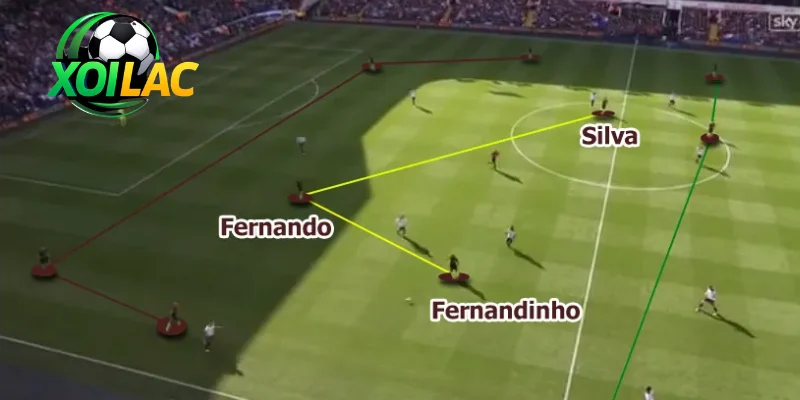
In the high-stakes theater of modern football, where tactical sophistication has reached unprecedented levels, the role of the "Deep-Lying Playmaker"—often referred to by the Italian term regista—has evolved into the heartbeat of elite teams. These players act as the primary bridge between defense and attack, operating with a level of composure and vision that allows them to dictate the tempo of the game from deep within their own half.
As football becomes increasingly dominated by high-intensity pressing and physical transitions, the ability to retain, distribute, and orchestrate play from a withdrawn position has become a premium asset. This article explores the evolution, tactical requirements, and structural implications of the deep-lying playmaker, a role that remains the hallmark of the most intelligent minds in the sport.
The Genesis and Definition of the Deep-Lying Playmaker
The term regista, originating from the Italian word for "director," perfectly encapsulates the essence of this position. In the early days of tactical evolution, the regista was the "conductor" who stood behind the scenes, pulling the strings of the entire ensemble. Unlike a traditional holding midfielder, whose primary directive is to break up play, or a classic number 10, who operates in the final third, the deep-lying playmaker functions in the "quarterback" zone—just in front of the defensive line.

Historical Context and Evolution
The concept was popularized by Italian football, specifically through legendary figures who possessed the vision to see the game three steps ahead. Historically, these players were afforded time and space, allowing them to spray long-range passes with surgical precision. However, as the game transitioned into the modern era of "Gegenpressing" and high-line defensive structures, the role required a significant update.
Modern deep-lying playmakers must now possess elite technical agility to escape tight marking. They no longer have the luxury of time; they must scan the pitch, identify the weakness in the opposition’s defensive block, and execute a pass—all in a fraction of a second.
Tactical Architecture: How the Role Functions
Within a modern squad, the presence of a deep-lying playmaker dictates the team’s entire philosophy. When a player like this is on the pitch, the team is usually built to dominate possession and control the transition phases.
1. Tempo Control and Rhythmic Regulation
One of the most critical aspects of the regista is their ability to control the "heartbeat" of a match. They are often the players with the highest number of touches, frequently averaging between 80 to 100 per game. By deciding when to slow the game down with short, rhythmic passes and when to accelerate the play with a vertical ball, they ensure the team does not get sucked into the chaos of an opponent’s high-intensity strategy.
2. The Distribution Hub from the Back
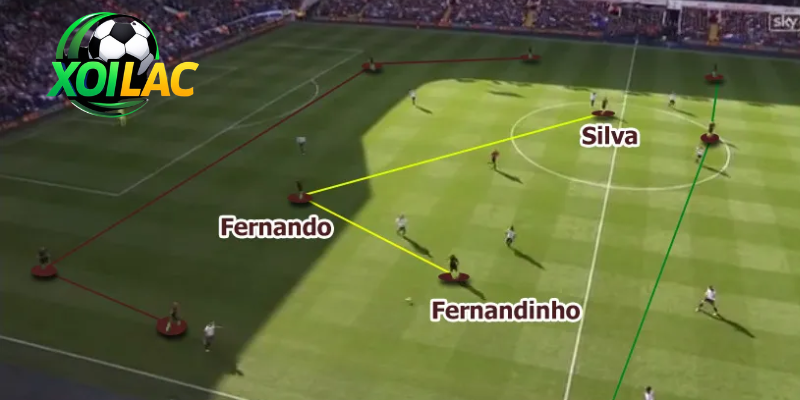
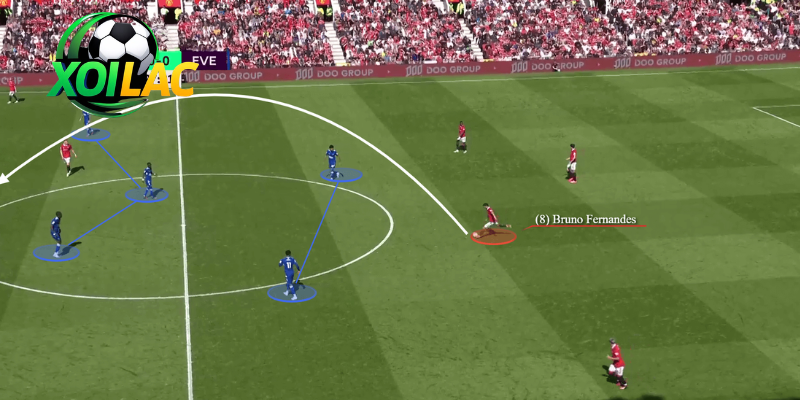
Deep-lying playmakers often drop between the center-backs to receive the ball, effectively creating a back-three structure. This provides the team with a numerical advantage during the first phase of build-up. From this position, they act as the primary launchpad. Whether it is a 30-meter cross-field diagonal or a disguised ground pass through the opposition’s midfield line, their delivery serves as the catalyst for the attacking sequence.
3. Bridging the Gap
The ability to link the defense and the attack is paramount. By acting as the pivot, the playmaker ensures that the ball progresses smoothly from the defensive third into the dangerous areas of the pitch. Their positioning often draws opposing strikers out of place, creating pockets of space for teammates to exploit.
Key Characteristics of the Modern Regista
What separates an average defensive midfielder from an elite deep-lying playmaker? It is a combination of spatial awareness, psychological fortitude, and technical mastery.
Spatial Awareness and Positioning
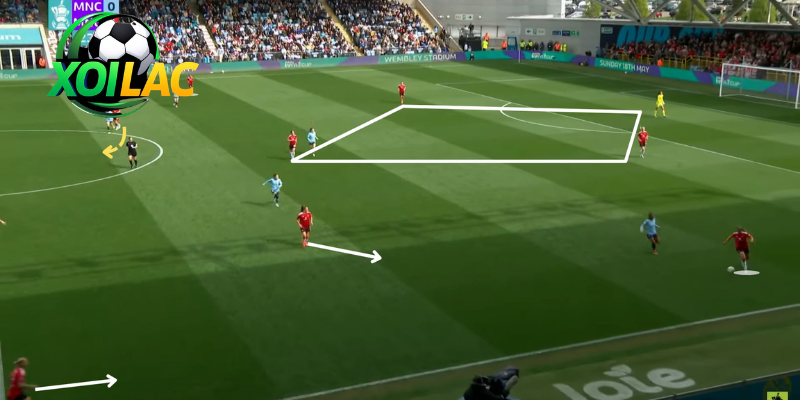
A great playmaker does not just chase the ball; they anticipate where it will be. By maintaining a perfect distance from their defensive partners, they ensure they are always a viable passing option. This is not static positioning; it is fluid. They constantly shift their body orientation to scan the field, ensuring that when the ball arrives, they have already decided where the next play should go.
Elite Decision-Making
Under immense pressure, the ability to remain calm is the defining trait. Modern playmakers are often the targets of intense pressing traps. Their ability to execute "half-turn" movements—receiving the ball with their back to the opposition and turning away from the press—is what allows top-tier teams to escape dangerous situations near their own goal.
Statistical Impact
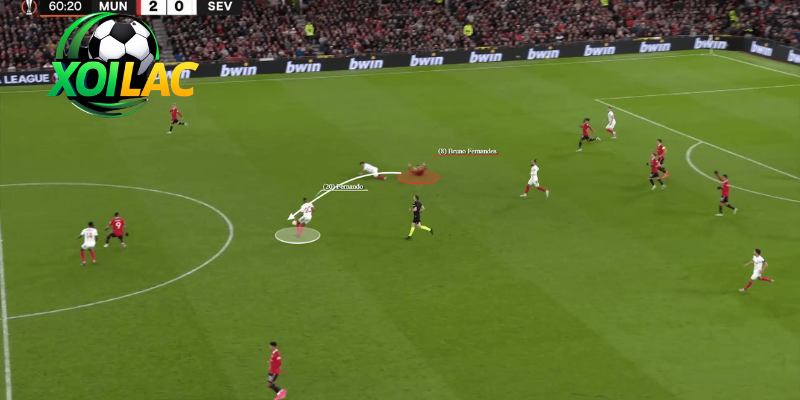
Data analysis shows that elite deep-lying playmakers typically maintain a passing accuracy of over 90%. Furthermore, they are the primary source of "progressive passes"—passes that significantly move the ball toward the opponent’s goal. Their influence is not just seen in the assists column, but in the "pre-assist" phase, where they dismantle the opposition’s defensive structure before the final pass is even made.
Implications for Modern Tactical Structures
The integration of a deep-lying playmaker has profound implications for a team’s formation and defensive duties.
The Need for Defensive Support
Because the regista is often not the most physically aggressive defender, the team must compensate. This is why we often see the "Double Pivot" or the inclusion of a "Destroyer" midfielder alongside them. This partner’s sole job is to provide the defensive cover and physical dueling that the playmaker might lack. If this protection is absent, the team becomes incredibly vulnerable to counter-attacks, as the space in front of the center-backs becomes the opposition’s primary target.
Structural Rigidity vs. Fluidity
When a team relies on a deep-lying playmaker, they are at the mercy of the opposition’s defensive discipline. If the opposing team marks the playmaker out of the game, the entire system can collapse. Therefore, top-tier managers ensure that their team has "Plan B" options—such as inverted fullbacks or high-pressing forwards—who can step into the playmaker role should the primary pivot be neutralized.
Case Studies: The Evolution of the Role
The history of the sport is dotted with icons who redefined this position. From Andrea Pirlo’s elegance and vision at AC Milan and Juventus, to the modern-day masterclasses of players like Rodri at Manchester City or Frenkie de Jong at Barcelona, the role has moved from a "luxury" position to a "necessity."
- Andrea Pirlo: The gold standard of the regista. He rarely needed to run fast because he made the ball travel faster than any opponent could.
- Rodri: Represents the modern evolution. He possesses the vision of a playmaker but the physical stature and defensive capability to hold his own in the most intense Premier League battles.
Challenges and Future Outlook
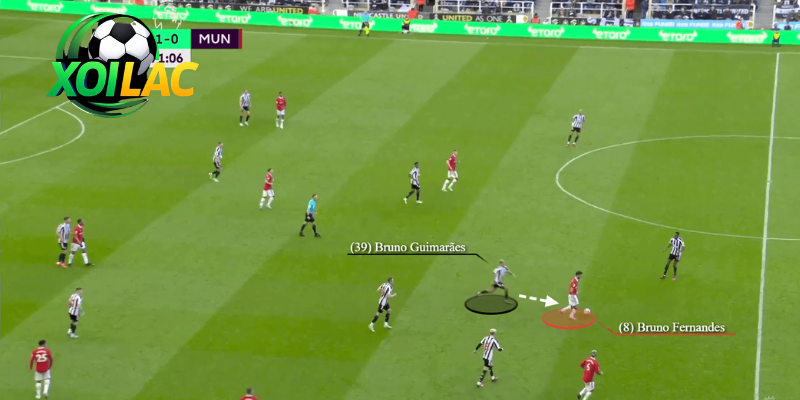
Despite the tactical benefits, the role faces significant challenges in an era of hyper-pressing. The "physicalization" of the game means that playmakers are being targeted more aggressively than ever before.
The Physical Barrier
If a playmaker cannot handle the physical intensity of modern football, they become a liability. We have seen many technically gifted players fail to adapt because they lacked the acceleration or strength to protect the ball when double-teamed.
The Requirement for Versatility
The future of the position lies in versatility. Coaches now prefer players who can do the work of a regista but also contribute defensively. The ability to track back, intercept, and tackle is no longer optional; it is a fundamental requirement for any midfielder aiming to play at the highest level.
Conclusion: The Indispensable Conductor
The deep-lying playmaker remains the most sophisticated role on a football pitch. They are the architects of victory, the ones who see the game in patterns rather than just moments. While the demands of the position have changed—shifting from a purely aesthetic, artistic role to one that requires extreme physical endurance and defensive responsibility—the core requirement remains the same: the ability to bring order to chaos.
As the sport continues to evolve, the regista will undoubtedly change with it. Whether through the aid of advanced performance data or further refinements in tactical positioning, the deep-lying playmaker will always be the player upon whom the success of the team rests. For those who watch football to see the beauty of a perfectly weighted 40-meter ball, the playmaker remains the most captivating figure in the game.