











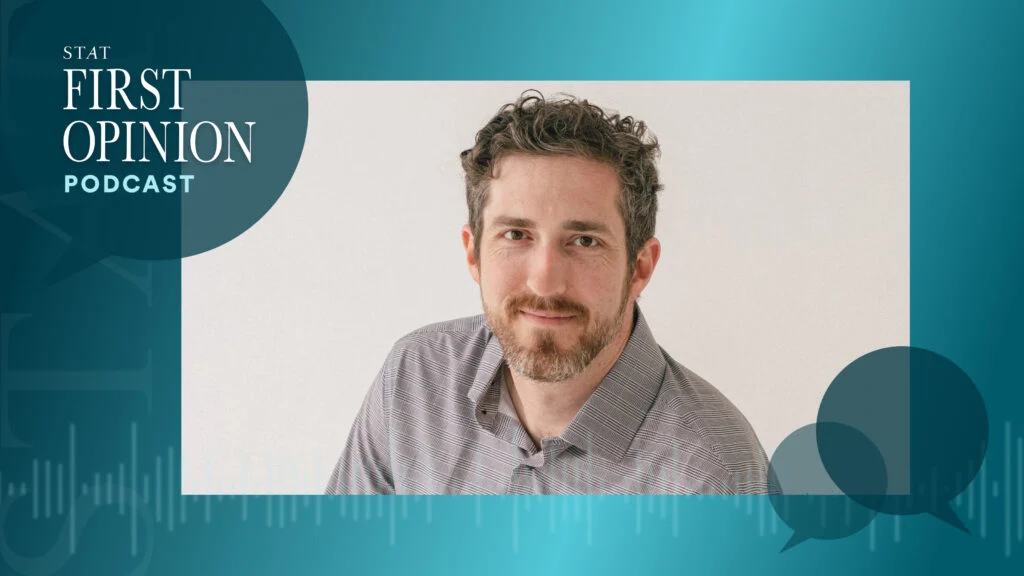
In the digital age, the stethoscope is no longer the only tool a physician uses to influence the healthcare landscape. Increasingly, social media has become the frontline for medical advocacy, a space where the traditional, opaque hierarchies of hospital administration are being challenged by the viral reach of frontline providers. At the center of this movement stands Will Flanary, an ophthalmologist better known to his millions of followers as "Dr. Glaucomflecken."
In a recent appearance on the First Opinion Podcast, hosted by STAT’s Torie Bosch, Flanary discussed the evolving intersection of medicine, comedy, and systemic accountability. Beyond his signature satire, Flanary has pivoted his platform toward a cause that hits close to home: the battle for the soul of local emergency medicine in Eugene, Oregon.
The Eugene Crisis: A Case Study in Corporate Medicine
The current focal point of Flanary’s advocacy is the ongoing turmoil at PeaceHealth RiverBend Hospital in Eugene, Oregon. To understand the gravity of the situation, one must look at the recent history of the region’s medical infrastructure.
A Chronology of Contention
- 2023: PeaceHealth, a major hospital system in the Pacific Northwest, closed the University District Hospital in downtown Eugene. Despite vocal warnings from emergency physicians that the consolidation would overwhelm the remaining facility at RiverBend, the closure proceeded.
- The Aftermath: As predicted, wait times at RiverBend skyrocketed, and the emergency department faced severe staffing and equipment shortages.
- Late 2024: Amid these systemic failures, the CEO of RiverBend—a physician holding only an administrative license—announced a call for proposals to staff the emergency department, effectively ending the 35-year tenure of the democratic, physician-owned Eugene Emergency Physicians (EEP) group.
- The Transition: PeaceHealth selected ApolloMD, a corporate management group based in Atlanta, to take over the contract. This move sparked a firestorm of controversy, as it signaled a shift from community-embedded care to a top-down, corporate-managed model.
The Legal and Ethical Battleground
The conflict in Eugene is not merely a localized dispute; it is a bellwether for the "Corporate Practice of Medicine" (CPOM). Oregon, as of 2025, has enacted strict laws designed to prevent corporate entities—which often lack state-licensed medical leadership—from dictating clinical standards or controlling physician autonomy.
Flanary points to recent leaked emails as the "smoking gun" in this saga. These documents allegedly reveal that the RiverBend CEO attempted to influence clinical decisions—such as the necessity of MRIs or patient admissions—from the C-suite. For an physician who has not practiced clinically in years, such interference is not only inappropriate but potentially dangerous.
"He’s not examining these patients," Flanary noted during the podcast. "He’s not even doing the work. And yet, he’s attempting to dictate the standards of care."
Supporting Data: Why "Local" Matters
The argument for keeping medicine local is supported by the unique nature of emergency care. Unlike elective procedures, emergency medicine requires a deep, granular understanding of a community’s social services, patient demographics, and inter-hospital referral networks.
When a corporate group with no local ties is imported to run an ER, this "institutional knowledge" is often discarded in favor of standardized, often cost-cutting, metrics. Critics argue that this transition, which occurred despite the local physicians’ stellar performance record, suggests that the decision was either retaliatory or financially motivated, rather than rooted in patient care improvement.
The Role of Social Media in Advocacy
Flanary’s strategy is simple: visibility. "If you make a big stink on social media about healthcare system-related things, you’re going to get a lot of support," he explained. By shining a national spotlight on the Eugene situation, he has made it difficult for hospital leadership to operate in the shadows—a tactic he successfully employed years ago when he helped overturn an insurance company’s arbitrary prior authorization requirement for cataract surgery.
Ethical Guardrails for the "Doctor-Influencer"
As more medical students and physicians leverage social media to supplement their income—often to offset staggering student loan debt—the ethical lines have become blurred. Bosch and Flanary discussed the recent wave of backlash against influencers who create content that mocks patients or perpetuates harmful stereotypes.
Flanary advocates for three core "guardrails" for any physician operating online:
- Patient Privacy: Strict adherence to HIPAA and a total refusal to make patients the butt of a joke.
- Punching Up: If you must use satire, target the systemic issues—insurance companies, hospital administrators, or private equity—rather than your peers or patients.
- Intellectual Honesty: Avoid promoting health trends (such as unregulated eye supplements or "staring at the sun" to improve vision) for the sake of engagement.
"It is so easy to lose your integrity as a physician," Flanary warned. "You have med students with a few thousand followers being offered thousands of dollars to promote gut health supplements. You can see how that influences your decision-making."
The Danger of "Wellness" Misinformation
One of the most persistent issues Flanary combats is the encroachment of the "wellness industry" into ophthalmology. He highlighted the dangerous myth that wearing prescription glasses makes a child’s vision worse, a trope often pushed by influencers to sell unproven homeopathic remedies.
"It sounds benign, but it can cause irreversible vision loss," Flanary said. "If a parent is influenced by this rhetoric and denies their child necessary glasses, that child can develop amblyopia. We have to stay on top of this. If we don’t, social media will be completely overrun by bad actors."
Implications: The Future of Healthcare Advocacy
The situation in Eugene remains unresolved, with lawsuits and government intervention pending. However, the ripple effect is clear: the era of the "silent physician" is over.
The implications for the broader U.S. healthcare system are profound. If the Eugene Emergency Physicians are successful in utilizing state law to block corporate takeover, it could set a powerful legal precedent for other states to adopt similar protections against the corporate practice of medicine.
For Flanary, the path forward is a blend of humor and hard-nosed advocacy. By using comedy as a "hook," he manages to educate his audience on complex systemic issues like pharmacy benefit managers (PBMs) and private equity in medicine, ensuring that the general public remains informed and, more importantly, engaged.
"During the pandemic, my goal was simply to help my colleagues laugh in the face of tragedy," Flanary reflected. "Now, the mission has evolved. If I can make people laugh, they are more likely to pay attention to the systemic rot I’m trying to expose. It’s about being an ethical voice in a space that is otherwise dominated by profit-driven misinformation."
As the medical community continues to navigate the digital landscape, the rise of voices like Dr. Glaucomflecken suggests a necessary evolution. By combining the authority of the white coat with the accessibility of modern social media, physicians are finding that they don’t just have to treat patients—they can also treat the system.