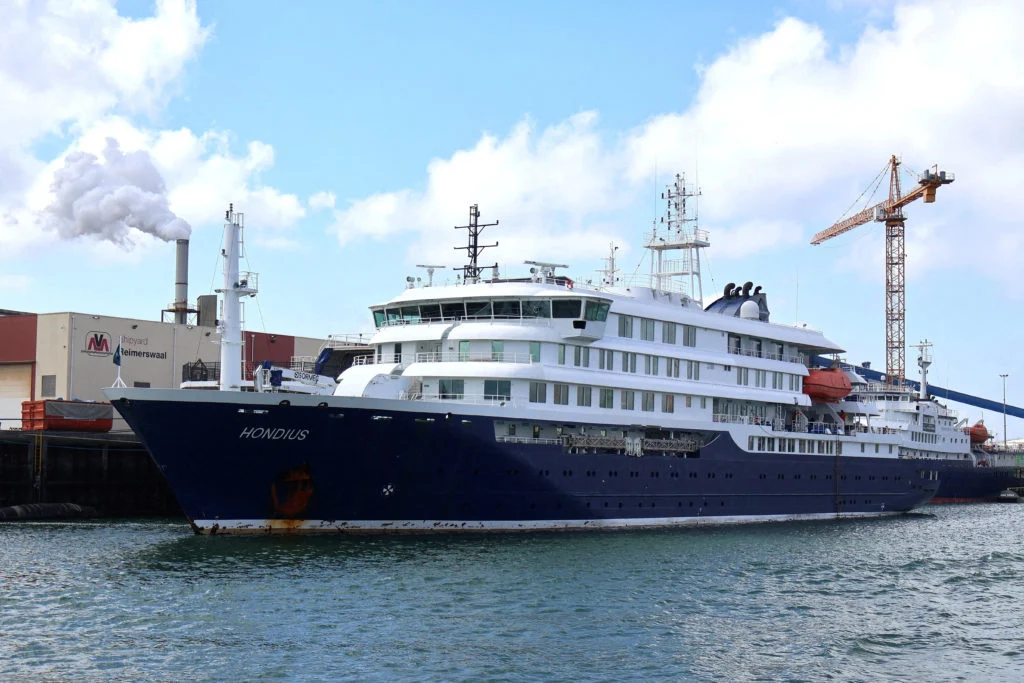
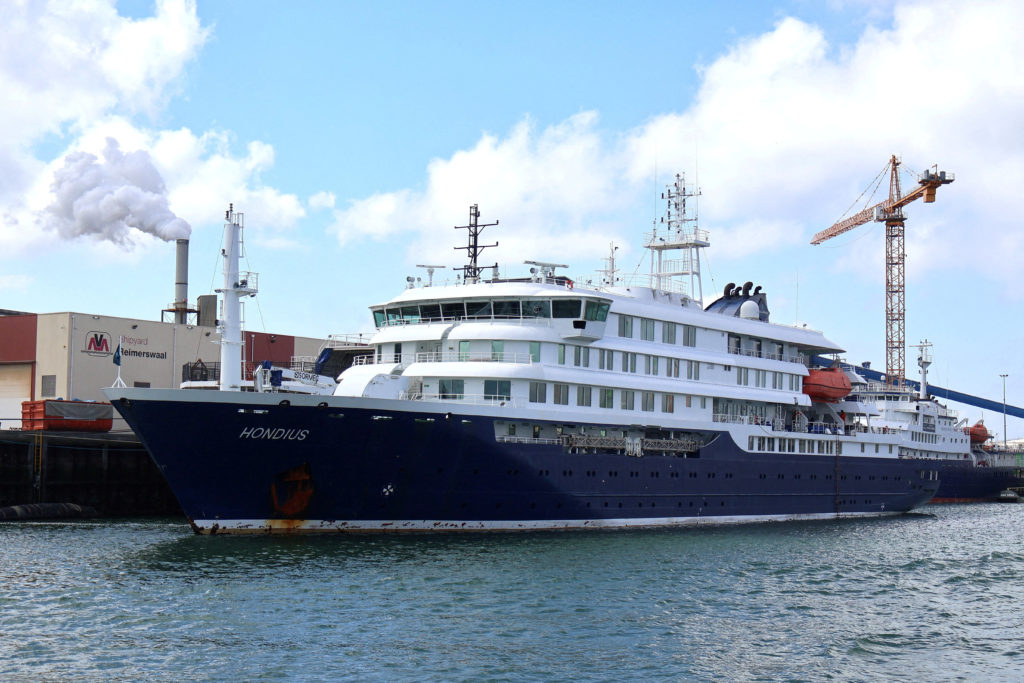
The international maritime and public health communities are currently grappling with a high-stakes emergency as the Dutch cruise ship MV Hondius makes its way toward the Canary Islands. The vessel has become the site of a rare and lethal outbreak of hantavirus, a viral pathogen typically associated with rodent contact that has now raised the terrifying possibility of human-to-human transmission in a confined environment. As of May 7, 2026, the ship remains a focal point for epidemiologists and health authorities worldwide, as they work to contain an infection that has already claimed three lives.
The Current Crisis: Facts on the Ground
The MV Hondius departed Argentina on April 1, 2026, embarking on a 33-day expedition that was intended to be a routine voyage. However, the journey took a dark turn as passengers began falling ill with a mysterious respiratory ailment. By May 4, the World Health Organization (WHO) confirmed that the ship was battling an outbreak of the Andes virus—a particularly virulent "New World" strain of hantavirus.
As of the latest reports, seven infections have been confirmed, with a tragic death toll of three. An eighth case was confirmed on May 6, underscoring the volatility of the situation. The vessel, currently carrying approximately 150 passengers and crew, has been conducting emergency evacuations of the most severely ill individuals to facilitate specialized medical care. The ship’s destination, the Canary Islands, is currently preparing for a complex quarantine and medical logistics operation as the vessel approaches.
A Chronology of the Outbreak
The timeline of this outbreak highlights the insidious nature of the virus, which possesses an incubation period of one to eight weeks.
- April 1, 2026: The MV Hondius sets sail from Argentina, beginning its 33-day journey. At this stage, passengers are asymptomatic, though some may have been exposed to the virus during land-based excursions in Argentina and Chile in the months prior to boarding.
- Late April 2026: The first symptoms appear among passengers. Because the early stages of hantavirus mimic common influenza, the severity of the situation is not immediately recognized.
- April 24, 2026: A group of 29 passengers disembarks from the ship. Health authorities are now actively tracking these individuals, as they may have been exposed to the virus before the nature of the outbreak was identified.
- May 4, 2026: The World Health Organization officially confirms the hantavirus outbreak on the ship.
- May 6, 2026: The infection count rises to eight as clinical testing confirms another case.
- May 7, 2026: Dutch authorities report that a flight attendant, who had no direct passenger contact but interacted with an infected traveler, has been hospitalized with potential hantavirus symptoms. This development has heightened concerns regarding the possibility of transmission through secondary contacts.
Understanding the Pathogen: What is Hantavirus?
Hantavirus is not a single entity but a diverse group of viruses. In their natural state, these viruses reside in rodent populations—specifically wild mice, rats, and moles. The rodents themselves remain largely asymptomatic, serving as silent reservoirs that shed the virus through urine, saliva, and droppings.
Old World vs. New World Strains
Epidemiologists categorize hantaviruses into two main groups:
- Old World Hantaviruses: Predominantly found in Europe and Asia, these strains are generally linked to hemorrhagic fever with renal syndrome (HFRS), primarily affecting the kidneys. They typically exhibit a mortality rate of 15% or lower.
- New World Hantaviruses: Found in the Americas, these include the Andes virus—the strain currently aboard the MV Hondius—and the Sin Nombre virus. These strains are significantly more lethal, causing Hantavirus Pulmonary Syndrome (HPS). HPS is characterized by rapid, severe inflammation of the lungs, leading to heart and lung failure. The mortality rate for these strains is approximately 40%.
The Mechanism of Spread: Rodents and Beyond
The traditional route of infection is inhalation. When rodent excrement dries, the viral particles can become aerosolized. If a person inhales this contaminated dust—such as in an enclosed cabin or a poorly ventilated space—they risk infection.
However, the MV Hondius outbreak is challenging the conventional wisdom surrounding hantavirus. Because there were no reports of rodent infestations on the ship, investigators conclude that the passengers were likely infected while touring rural areas of South America before boarding. The true concern is what happened after the ship left port.
The Specter of Human-to-Human Transmission
While most hantaviruses are strictly zoonotic (transmitted from animal to human), the Andes virus is unique in that it has shown the potential for human-to-human transmission. This typically requires intense, sustained, and close-quarters contact—the exact conditions found on a cruise ship. This potential for person-to-person spread is what has elevated the MV Hondius situation from a contained medical incident to a global public health priority.
Official Responses and Containment Measures
The international response has been swift and multi-layered. Health agencies, including the CDC and WHO, are coordinating efforts to ensure that the risk to the general public remains low.
Tracking and Surveillance
Public health officials are currently tracking the 29 passengers who disembarked on April 24. These individuals are being screened for symptoms; those who show evidence of significant exposure are being quarantined to prevent further spread. In the United States, residents from three states who were on the voyage are under active monitoring by local health departments.
Medical Protocols
There is currently no specific vaccine or cure for hantavirus. Treatment is strictly supportive, focusing on maintaining hydration, managing blood pressure, and providing respiratory support or dialysis in intensive care units. The evacuation of patients to specialized facilities in the Canary Islands is intended to provide this level of high-acuity support.
Implications for the Travel and Cruise Industry
The MV Hondius outbreak serves as a stark reminder of the vulnerabilities inherent in modern global travel. For the cruise industry, this incident highlights the need for more robust screening protocols and better ventilation standards. It also serves as a warning to travelers: the risks of infectious diseases can vary significantly depending on the destination.
"Even on vacation, people should pay attention to risks for infection," notes a medical epidemiologist familiar with the case. "The environmental threats in remote regions of South America are fundamentally different from those one faces in an urban European or North American setting. Awareness of these differences is a critical component of travel safety."
Conclusion: A Low-Risk, High-Vigilance Scenario
Despite the alarming nature of the reports, health officials emphasize that the general public is not at risk. The MV Hondius is an isolated environment, and the virus does not spread easily through the air like influenza or SARS-CoV-2. The primary danger remains confined to the vessel and those who have had intimate, long-term contact with the infected passengers.
As the MV Hondius reaches the Canary Islands, the primary goal remains the stabilization of the remaining passengers and the prevention of further transmission. The tragedy of the three lives lost will likely lead to a reevaluation of how cruise lines manage potential disease outbreaks in the future, marking a new chapter in maritime health security. For now, the world watches, hoping that the rigorous containment measures in place will prove sufficient to end the cycle of infection once and for all.