








In a landmark study published on February 4, 2026, in Neurology Open Access, a peer-reviewed journal of the American Academy of Neurology, researchers have uncovered compelling evidence regarding the protective power of nutritional choices. The study, which tracked the health outcomes of over 100,000 women for more than two decades, suggests that adhering to a Mediterranean-style diet may significantly lower the risk of suffering a stroke.
As stroke remains a leading global cause of long-term disability and mortality, these findings offer a tangible, lifestyle-based strategy for risk mitigation. While the study emphasizes an "association" rather than a direct causal mandate, the data provides a robust foundation for the role of diet in vascular health.
The Core Findings: A Dietary Shield Against Cerebrovascular Events
The study, which followed 105,614 women with an average age of 53 at the outset, found that those who most closely adhered to the Mediterranean diet experienced a marked reduction in stroke incidence. This benefit extended to both major types of stroke: ischemic and hemorrhagic.
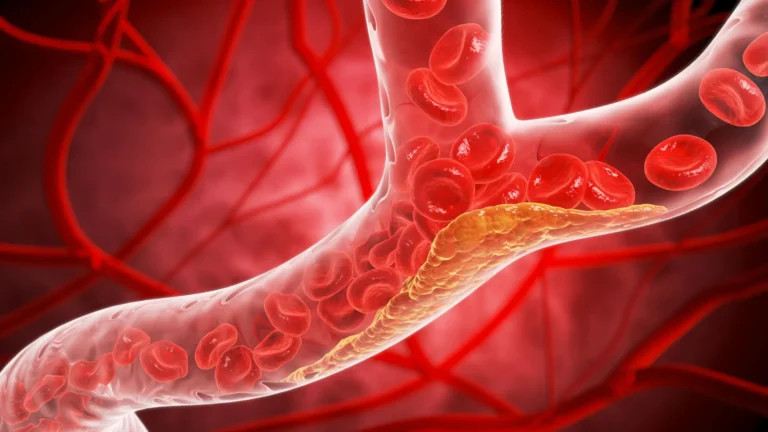
Ischemic strokes, which account for the vast majority of cases, occur when a blockage—often a blood clot—impedes blood flow to the brain. Hemorrhagic strokes, though less common, are often more severe, resulting from the rupture of a blood vessel that causes internal bleeding within the brain. The research highlights that the Mediterranean diet’s protective effects appear to span across these distinct physiological mechanisms.
Defining the Mediterranean Diet: More Than Just a Meal Plan
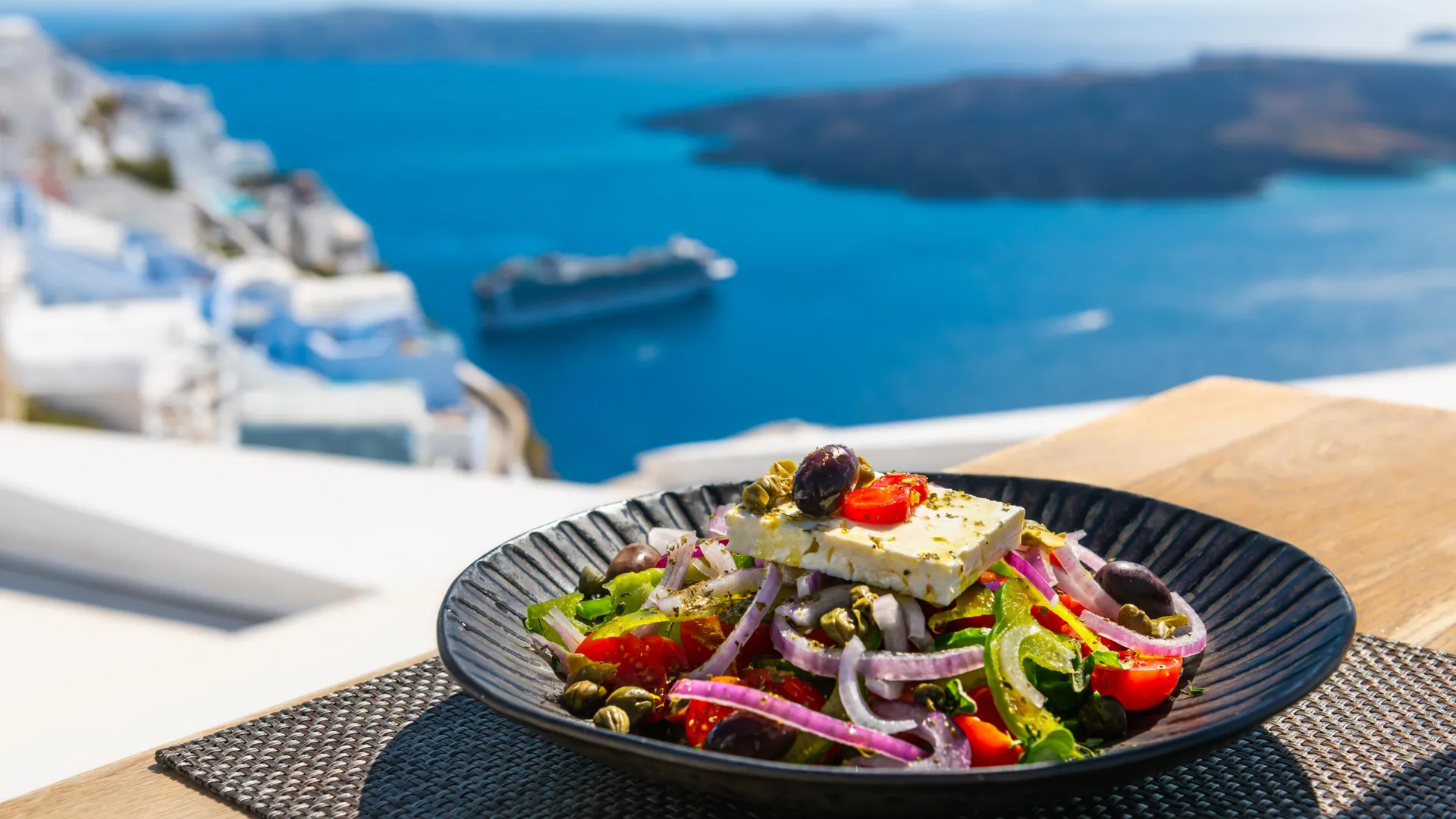
The Mediterranean diet is not a restrictive regimen in the traditional sense; rather, it is a nutritional framework rooted in the traditional eating patterns of countries bordering the Mediterranean Sea. The researchers defined adherence to this diet based on specific food groups:
- High Consumption: Whole grain cereals, a variety of fruits, fibrous vegetables, legumes, and lean protein sources like fish.
- Healthy Fats: A primary focus on olive oil as the main source of added fat, replacing butter and other saturated fats.
- Controlled Intake: Moderate consumption of alcohol and a reduction in red meat and full-fat dairy products.
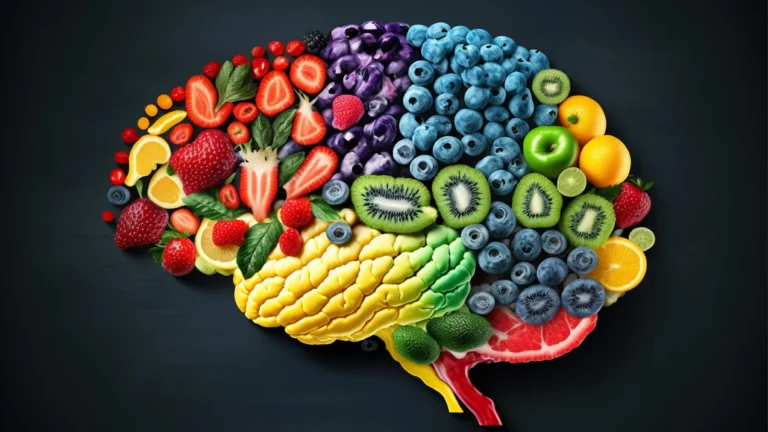
This dietary pattern is high in antioxidants, omega-3 fatty acids, and fiber, all of which are recognized for their ability to reduce systemic inflammation and support cardiovascular integrity—key factors in preventing the arterial damage that leads to strokes.
Chronology of a 21-Year Longitudinal Study
The depth of this research lies in its longevity. Spanning over two decades, the study offers a rare glimpse into how dietary habits in middle age influence long-term health trajectories.
The Baseline (Year 0)
At the start of the study, researchers recruited 105,614 women who had no prior history of stroke. Participants were asked to complete comprehensive, validated diet questionnaires. This data was used to assign each woman a score between zero and nine, reflecting how closely their nutritional intake aligned with the Mediterranean guidelines.
The Scoring Mechanism
- Points Awarded: Participants received one point for consuming above-average amounts of vegetables, fruits, legumes, whole grains, fish, and olive oil, as well as for moderate alcohol consumption.
- Points Deducted/Restricted: Points were also awarded for consuming less red meat and dairy than the population average.
- Distribution: Approximately 30% of the cohort scored between six and nine, placing them in the “high adherence” group. Conversely, 13% scored between zero and two, representing the lowest tier of adherence.
The Monitoring Period (Years 1–21)
Over the 21-year follow-up, researchers meticulously tracked stroke events. In total, 4,083 strokes were recorded. Of these, 3,358 were ischemic and 725 were hemorrhagic. The data provided a clear comparative landscape: the group with the highest diet scores consistently showed lower rates of both stroke subtypes compared to those with the lowest scores.
Supporting Data: Statistical Significance and Risk Reduction
The strength of the findings becomes clear when adjusting for other variables. Even after researchers accounted for confounding factors such as smoking status, levels of physical activity, and high blood pressure, the correlation between diet and stroke risk remained statistically significant.
Key Statistical Findings:
- Overall Risk: Women with the highest Mediterranean diet scores were 18% less likely to experience any form of stroke compared to those in the lowest category.
- Ischemic Stroke Risk: Those in the top-scoring group saw a 16% reduction in the risk of ischemic stroke.
- Hemorrhagic Stroke Risk: Most notably, the risk for hemorrhagic stroke was 25% lower among those who followed the diet most strictly.
These figures underscore that the nutritional intervention is not merely a minor health boost, but a significant factor in preventing a life-altering medical emergency.
Official Responses and Expert Perspective
Dr. Sophia S. Wang, the study’s lead author and a researcher at the City of Hope Comprehensive Cancer Center in Duarte, California, expressed optimism regarding the implications of the data.
"Our findings support the mounting evidence that a healthy diet is critical to stroke prevention," Dr. Wang stated. She highlighted the significance of the hemorrhagic stroke findings, noting that "few large studies have looked at this type of stroke," making the 25% risk reduction particularly noteworthy for the medical community.
Dr. Wang emphasized that while the findings are compelling, the scientific process requires further investigation. "It’s exciting to think that improving our diets could lessen our risk for this devastating disease," she added. "Further studies are needed to confirm these findings and to help us understand the mechanisms behind them so we could identify new ways to prevent stroke."
Implications for Public Health and Clinical Practice
The implications of this research are twofold: they provide clinicians with a evidence-based lifestyle prescription for patients, and they empower individuals to take proactive control of their vascular health.
1. Shift Toward Preventive Nutrition
For decades, public health initiatives have focused on pharmaceutical interventions, such as statins or blood pressure medications, to manage stroke risk. While these remain essential, the study suggests that nutritional education should be elevated to a primary pillar of stroke prevention strategies.
2. Addressing the "Silent" Risks
Hemorrhagic strokes are often sudden and frequently fatal. The fact that the Mediterranean diet shows such a strong association with a reduced risk of this specific type of stroke suggests that the diet may improve the integrity of the blood vessels themselves, potentially by reducing the chronic inflammation and endothelial dysfunction that weaken vessel walls.
Limitations and Future Directions
While the study’s sample size and duration are impressive, the researchers were transparent about its limitations. The reliance on self-reported dietary information is a common challenge in longitudinal nutrition research. Participants may have misremembered their eating habits or provided answers that they perceived as "socially desirable."
Additionally, while the researchers controlled for factors like smoking and physical activity, there is always the possibility of residual confounding—other lifestyle or genetic factors that could influence stroke risk independently of diet.
Moving Forward
Future research will likely focus on:
- Biological Mechanisms: Investigating how specific nutrients in the Mediterranean diet affect blood vessel health at the molecular level.
- Diverse Populations: Extending similar studies to men and to more ethnically diverse cohorts to ensure the findings are universally applicable.
- Dietary Consistency: Examining whether changing one’s diet later in life provides the same protection as maintaining these habits over several decades.
The study, funded by the National Institute of Neurological Diseases and Stroke, serves as a vital reminder that while we cannot control every risk factor for disease, the food we choose to put on our plates remains one of the most powerful tools in our arsenal for long-term health. As science continues to evolve, the Mediterranean diet remains a gold standard for a heart-and-brain-healthy lifestyle.