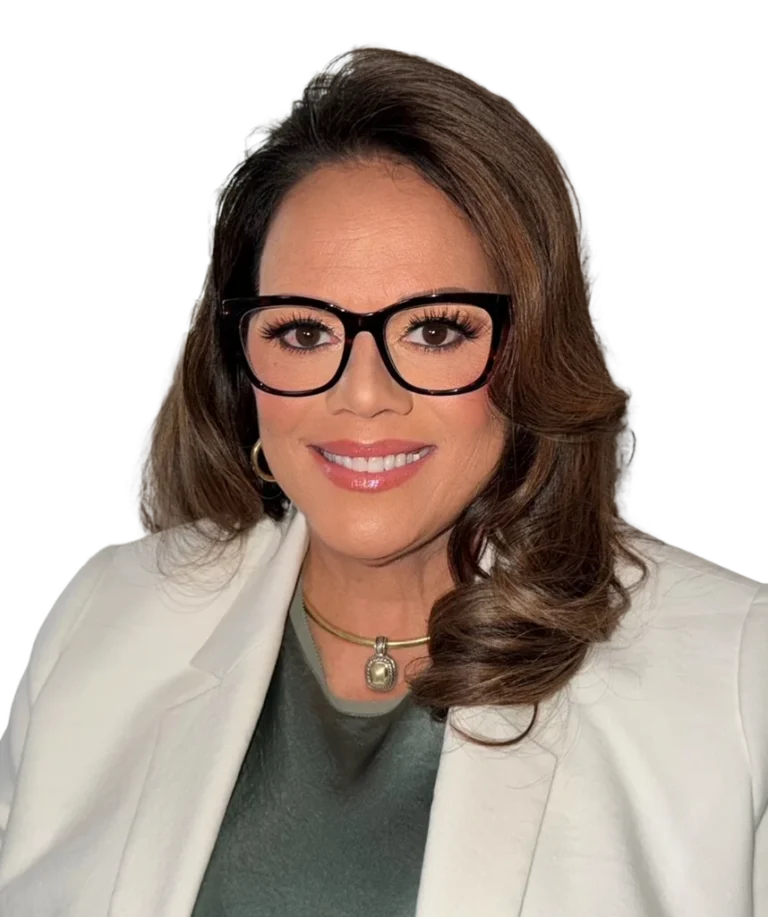
As November arrives, the nation turns its attention to gratitude, family gatherings, and the spirit of the holidays. For millions of Americans, however, this period is synonymous with the demanding, often invisible labor of family caregiving. To mark National Family Caregiver Month, Sherri Snelling, a renowned gerontologist, author, and CEO of the Caregiving Club, has released a comprehensive guide designed to empower, inform, and support those balancing the complex needs of their loved ones with their own well-being.
In her latest episode, Snelling tackles the pressing issues facing the modern caregiver—from the rising financial pressures of the "Sandwich Generation" to the nuances of mental health among male caregivers and the importance of restorative sleep.
The Rising Tide of Care: Main Facts and Statistics
The landscape of American caregiving has undergone a seismic shift over the last decade. According to the landmark study "Caregiving in the U.S.," conducted by AARP and the National Alliance for Caregiving (NAC), the "volunteer army" of caregivers has expanded by an astonishing 20 million people.

This surge is not merely a statistical anomaly; it represents a fundamental change in how families manage aging, disability, and chronic illness. As the population ages, the reliance on unpaid family caregivers has become the primary pillar of the nation’s long-term care system. However, this reliance comes at a steep price. Caregivers are increasingly reporting higher levels of physical strain, emotional burnout, and financial instability.
The "Sandwich Generation" and the Debt Dilemma
One of the most vulnerable cohorts is the "Sandwich Generation"—individuals, typically in their 40s and 50s, who are simultaneously caring for aging parents while raising their own children. Financial resiliency is a primary concern for this group. Caught between the rising costs of childcare, college tuition, and eldercare expenses, these caregivers often deplete their own savings, sacrificing their retirement security to meet immediate family needs.
Financial advisors recommend two primary strategies for managing this debt:

- The Snowball Method: Paying off the smallest debts first to build momentum and psychological encouragement.
- The Avalanche Method: Targeting the debts with the highest interest rates first to minimize the total amount paid over time.
Chronology of Care: Managing the Holidays
The holiday season acts as a pressure cooker for many families. The transition out of Daylight Savings Time (November 2) further complicates the internal clocks of both the caregiver and the recipient.
A Timeline for Success
- Early November: Focus on "Respitality"—a blend of respite care and hospitality. Caregivers should proactively schedule professional respite care during the holiday weeks. Innovative platforms like Respitely are changing the game by allowing families to purchase "care credits" for respite services, which can serve as a thoughtful and practical holiday gift.
- Mid-November: Address physical health. Sleep posture, for instance, is a silent indicator of stress levels. Caregivers are encouraged to evaluate their sleep patterns as a diagnostic tool for their emotional state during high-stress periods.
- Late November (Thanksgiving): Focus on gratitude, but avoid the "martyrdom" trap. Utilize resources like the Me Time Monday strategies to carve out seven-minute intervals of intentional self-care.
Supporting Data: Male Caregivers and Mental Health
A critical, often overlooked aspect of the current caregiving dialogue is the mental health of male caregivers. While caregiving has historically been categorized as a female-dominated role, recent surveys highlight a significant rise in the number of men stepping into these responsibilities.
Unlike their female counterparts, who are often more socially conditioned to seek support groups, men frequently report higher levels of isolation and a reluctance to voice their struggles. Mental health professionals are now emphasizing that men require tailored outreach programs that focus on task-oriented support, peer-to-peer mentorship, and normalized conversations regarding the emotional weight of caregiving.

Official Resources and Professional Guidance
To navigate these challenges, experts point to a wealth of institutional resources. The following organizations provide the backbone of support for the American caregiving community:
- AARP Caregiver Resources: A comprehensive hub for legal, financial, and emotional toolkits.
- The National Alliance for Caregiving (NAC): The primary source for policy research and data-driven insights into the caregiver experience.
- Eldercare Locator: A public service of the U.S. Administration on Aging, helping families connect with local community services (1-800-677-1116).
- ARCH National Respite Network: Essential for those seeking to understand and access respite care options.
- Benefits Check-Up (NCOA): A vital tool for identifying government assistance programs that may ease the financial burden of care.
Implications for the Future: The 5th Annual Holiday Gift Guide
As part of her advocacy, Sherri Snelling has introduced her 5th Annual Holiday Gift Guide, a curated list designed to improve the quality of life for both the caregiver and the care recipient. The guide is structured into three wellness pillars:
- Wellness for Caregivers: Items focused on stress reduction and time-management hacks.
- Wellness for Older Adults: Practical tools, including specialized equipment for those living with dementia.
- Wellness for the Home: Products that integrate "Well Home Design," creating environments that foster safety and mental clarity.
A significant development this year is the inclusion of products eligible for Health Savings Accounts (HSA) or Flexible Savings Accounts (FSA). By utilizing pre-tax dollars, caregivers can alleviate the financial strain of purchasing essential caregiving equipment. Furthermore, the guide highlights products available via LifeMart, an employee discount hub, encouraging caregivers to check with their human resources departments to see if they have access to these corporate benefits.

Author’s Day and the Power of Shared Stories
November 1st marks National Author’s Day, providing an opportunity to highlight the literature that guides the caregiving journey. Books on caregiving, brain health, and longevity are more than just information—they are survival manuals.
Authors who have appeared on the Caregiving Club podcast have contributed significantly to the canon of caregiving literature. Their works offer a roadmap for those who feel lost, providing the wisdom of others who have walked the path before them. As the year draws to a close, gifting these books can provide a sense of community and intellectual support that is often missing in the day-to-day routine of a caregiver.
Conclusion: The "Me Time" Paradigm
The overarching message for this year’s National Family Caregiver Month is clear: you cannot pour from an empty cup. Sherri Snelling’s "Self-Care in 7 Minutes" video series, based on her book ME TIME MONDAY, provides a scalable solution for the busiest of caregivers.

By integrating small, consistent wellness hacks—whether it be music, gratitude exercises, or simple physical movements—caregivers can mitigate the long-term impacts of burnout. As we head into the Thanksgiving season, the most important gift a caregiver can receive is the permission to care for themselves with the same compassion they so readily offer to others.
For those looking to deepen their understanding or find immediate assistance, the wealth of articles authored by Snelling—ranging from "The Sandwich Generation Juggling Act" to "Biophilic Design on a Budget"—serves as a vital library for the modern, informed caregiver. Whether through professional respite care, financial planning, or simply embracing the "Me Time" philosophy, the tools for a sustainable caregiving journey are within reach.
For more information, subscribe to the Caregiving Club YouTube channel and explore the full suite of resources at CaregivingClub.com.