In the high-stakes environment of the intensive care unit (ICU), where seconds can dictate patient outcomes, the evolution of medical technology is relentless. Among the latest advancements in respiratory support, the Draeger Evita V800 stands out as a sophisticated intersection of high-performance ventilation, ergonomic design, and digital integration. As healthcare systems globally grapple with rising acuity levels and the need for streamlined clinical workflows, the Evita V800 aims to bridge the gap between complex life-support requirements and the practical realities of the modern bedside.
The Core Mandate: Rethinking the Patient-Centered Workplace
The Draeger Evita V800 is not merely a ventilator; it is a comprehensive respiratory support system. At its foundation, the device is built on the philosophy of a "patient-centered workplace." For clinicians, this means a significant reduction in the cognitive load associated with navigating complex menus and tangled hardware.
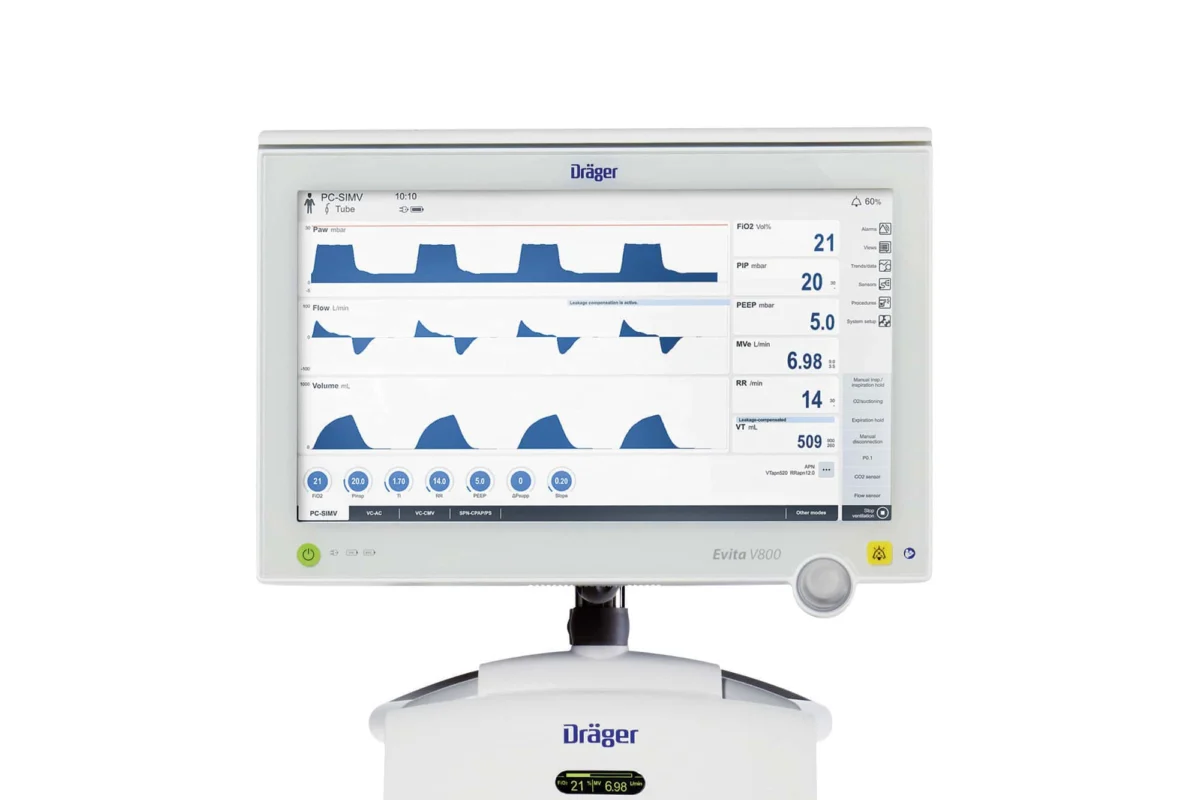
Draeger has engineered the system with a high-end glass touch interface that mimics the intuitive nature of modern consumer electronics. In a clinical setting, this is more than a convenience—it is a safety feature. By minimizing the time required to adjust parameters, clinicians can focus more intently on the patient’s physical status rather than the machine’s software. This design philosophy directly addresses the persistent issue of "alarm fatigue" and interface complexity, which have long been cited as barriers to optimal care in critical settings.
Chronology of Development and Clinical Integration
The development of the Evita V800 represents the culmination of decades of Draeger’s experience in respiratory mechanics. Following the industry-wide shift toward universal platforms, Draeger designed the V800 to be adaptable across the entire spectrum of patient populations: neonates, pediatrics, and adults.
- Early Phase: Initial development focused on refining the "Infinity" platform, ensuring that the software architecture could handle high-acuity demands while maintaining a footprint small enough for ICU mobility.
- Mid-Cycle Refinement: Following the integration of glass touch technology, the focus shifted to interoperability. Recognizing that the ICU of the future is a connected ecosystem, Draeger prioritized the ability of the V800 to communicate with bedside monitors and electronic health records (EHR).
- Current State: The device is now a cornerstone of modern respiratory strategies, emphasizing lung-protective ventilation—a clinical standard that has gained significant traction following longitudinal studies on ventilator-induced lung injury (VILI).
Supporting Data and Clinical Efficacy
The clinical utility of the Evita V800 is anchored in its ability to support lung-protective strategies. Lung-protective ventilation is essential for preventing the over-distension of alveoli and reducing the systemic inflammatory response in patients with Acute Respiratory Distress Syndrome (ARDS) and other respiratory failures.
High-Performance Toolsets
The V800 offers several proprietary and industry-standard tools for clinicians:
- Pressure Support and Volume Control: Advanced algorithms ensure precise delivery of tidal volumes, reducing the risk of volutrauma.
- High Flow Therapy: The system supports high-flow oxygen therapy, which has proven effective in maintaining NIV (Non-Invasive Ventilation) for longer durations. This allows clinicians to delay intubation in stable patients, significantly reducing the risks associated with invasive airway management.
- Synchronized Weaning: One of the most difficult phases of ICU care is the transition from mechanical ventilation to spontaneous breathing. The V800 utilizes smart monitoring to track patient effort, facilitating a smoother transition that reduces the duration of mechanical ventilation—a key metric in decreasing ICU length of stay.
Furthermore, the system’s ability to facilitate early mobilization is a critical data point. Studies consistently show that patients who are mobilized earlier—even while on ventilators—experience fewer secondary complications like muscle atrophy and delirium. The V800’s optional hardware components, which include flexible transport configurations, allow for this mobility without compromising the patient’s respiratory stability.
Official Perspectives on Interoperability and Security
In an era where medical devices are increasingly vulnerable to cyber threats, Draeger has placed a premium on security. The company emphasizes that the Evita V800 is designed with "secure connectivity" as a core requirement.
"The modern ICU is a network of interconnected nodes," notes a company spokesperson. "When we discuss interoperability, we are not just talking about data transfer; we are talking about creating a secure environment where the ventilator, the monitor, and the clinical decision support systems speak a common language."
This connectivity allows for the remote monitoring of patient data, which is essential in decentralized ICU models where a respiratory therapist or intensivist might be managing multiple patients simultaneously. However, Draeger remains firm on the necessity of professional maintenance. The company asserts that the performance levels touted in clinical trials are only replicable when the hardware is regularly calibrated by original manufacturer services. This underscores a vital point: technology is only as reliable as the maintenance protocol surrounding it.
Implications for Healthcare Systems and Future Care
The introduction and wide adoption of systems like the Evita V800 have profound implications for the economics and ethics of critical care.
Clinical Efficiency and Cost-Effectiveness
Hospitals operate under tight margins, and the cost of an ICU bed is among the highest in any healthcare facility. By improving the speed at which clinicians can operate, and by reducing the time patients spend on mechanical ventilation through smarter weaning protocols, the Evita V800 contributes to overall hospital efficiency. A patient who is weaned one day earlier represents a significant cost saving, but more importantly, it represents a patient who is on the path to recovery sooner.
The Human Element
Despite the high-tech nature of the Evita V800, the ultimate goal remains the human element: the patient. The system’s versatility across neonates and adults simplifies training for clinical staff. When a hospital standardizes its fleet on a single platform, the learning curve is flattened. Nurses and respiratory therapists who are cross-trained on the V800 can move between departments with confidence, knowing the interface and the safety protocols remain consistent.
The Cybersecurity Frontier
As healthcare becomes more digitized, the risks associated with medical device connectivity increase. The Evita V800’s focus on cybersecurity is a response to the growing threat of ransomware and data breaches in medical facilities. By ensuring that the device can communicate with hospital networks without creating vulnerabilities, Draeger is helping to protect the integrity of the clinical data that doctors rely on to make life-saving decisions.
Conclusion: A New Standard for Respiratory Care
The Draeger Evita V800 represents more than a hardware upgrade; it is a shift toward a more integrated, secure, and intuitive approach to critical care. By prioritizing lung-protective strategies, ease of use, and robust interoperability, Draeger has provided a tool that meets the immediate needs of the ICU while preparing healthcare systems for the challenges of the future.
As medicine continues to move toward more personalized and data-driven treatments, the ability of devices to function as part of a larger, smarter ecosystem will become the defining characteristic of high-quality care. For the clinicians at the bedside, the Evita V800 offers the support needed to navigate the complexities of respiratory failure, ensuring that the focus remains where it belongs: on the patient.
Key Takeaways for Clinical Administrators:
- Versatility: A single platform capable of managing neonates through to adults reduces the need for multiple device types and simplifies hospital-wide training.
- Workflow Optimization: Intuitive glass-touch interfaces and synchronized weaning protocols reduce the time-to-wean and improve staff efficiency.
- Security by Design: Integrated cybersecurity features protect the integrity of patient data in an increasingly connected hospital network.
- Long-Term Reliability: Optimal clinical performance is intrinsically linked to adherence to original manufacturer maintenance and calibration schedules.