








The global public health community is currently on high alert following the emergence of a cluster of severe acute respiratory illness linked to a South Atlantic cruise expedition. The World Health Organization (WHO) has confirmed that at least three fatalities have occurred among passengers and crew of a Dutch-flagged vessel, with laboratory analysis identifying the culprit as the Andes virus—a rare but lethal hantavirus strain known for its ability to transmit between humans.
As of May 4, 2026, health authorities are tracking seven cases of Hantavirus Cardiopulmonary Syndrome (HCPS), comprising two laboratory-confirmed infections and five suspected cases. The outbreak has prompted an urgent international investigation, as the incident marks a significant clinical concern due to the unique characteristics of the pathogen involved and the logistics of managing an infectious disease outbreak on a remote maritime vessel.
The Chronology of an Outbreak at Sea
The saga began on April 1, 2026, when the cruise ship departed from Ushuaia, Argentina. The vessel, the MV Hondius, embarked on an ambitious itinerary across the South Atlantic, navigating waters near Antarctica, South Georgia, and various remote islands.
The first indication of a health crisis emerged just five days into the voyage. On April 6, an adult male passenger began exhibiting symptoms, including fever and severe headache. His condition deteriorated rapidly; by April 11, he had succumbed to respiratory distress while still at sea. At the time, the death was not immediately linked to a zoonotic pathogen, but subsequent epidemiological investigations have flagged this as the index case.
The situation escalated as the ship continued its route. A second passenger, who had been in close contact with the index case, began to show symptoms shortly thereafter. This individual was eventually evacuated to a hospital in South Africa, where they passed away on April 26.
By early May, the scale of the outbreak became clear. On May 5, the Centre national de référence pour les infections virales émergentes (CRIVE) at the Geneva University Hospital (HUG) conducted PCR testing on samples provided by passengers. The results confirmed the presence of the Andes strain of the hantavirus. Currently, other passengers remain under medical observation, with at least one individual fighting for their life in an intensive care unit (ICU).
Understanding the Andes Virus: A Rare Exception
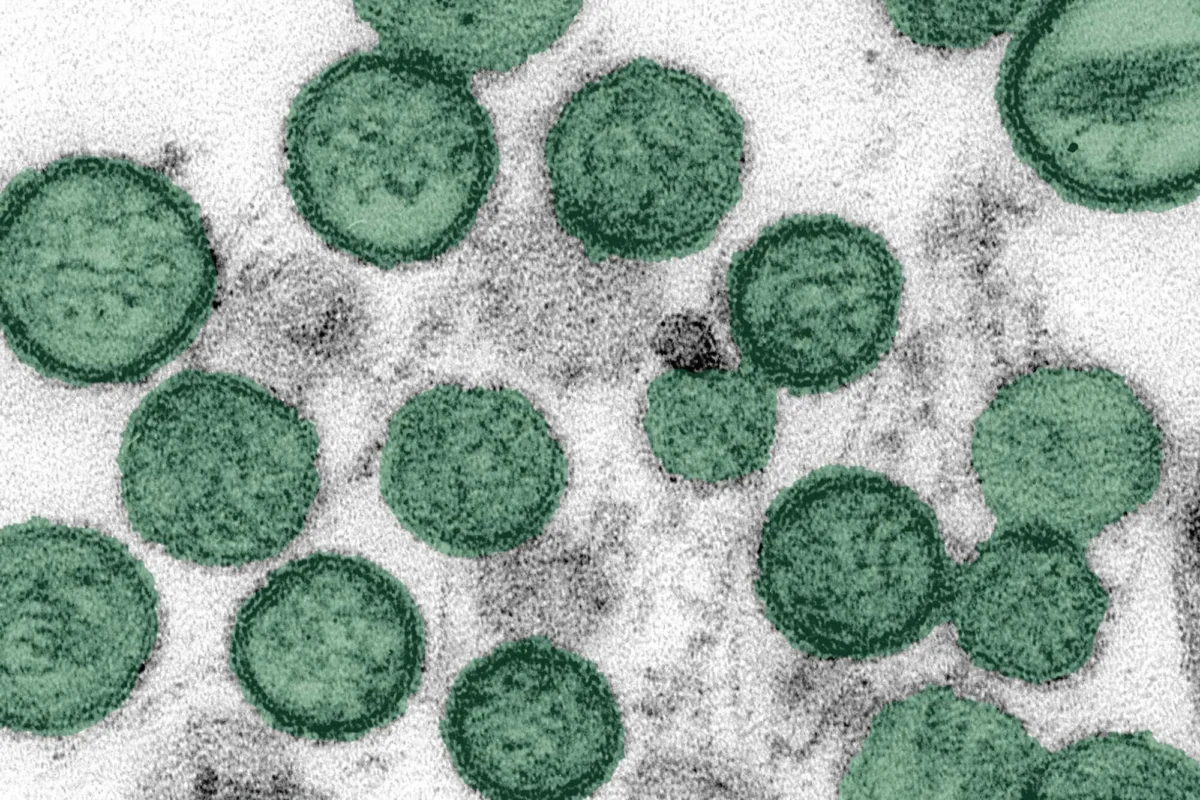
Hantaviruses are typically zoonotic diseases, transmitted to humans primarily through contact with the urine, feces, or saliva of infected rodents. In the Americas, HCPS carries a daunting case fatality rate of up to 50%. However, the specific strain identified in this outbreak—the Andes virus—carries a terrifying distinction that sets it apart from other hantavirus varieties found globally.
"The Andes virus is the only hantavirus for which human-to-human transmission has been documented," explains Dr. Manuel Schibler, head of the HUG virology laboratory. This characteristic explains how a virus typically contracted via rodent contact managed to spread among passengers within the contained environment of a cruise ship.
In standard hantavirus cases, the disease does not spread from person to person. The Andes strain, however, has demonstrated the capacity for direct transmission through close contact, particularly in environments where individuals are in proximity for extended periods. This has turned a routine epidemiological concern into a complex public health challenge, forcing the WHO to reassess standard cruise ship infection control protocols.
Clinical Characteristics: The Path to Respiratory Failure
HCPS is characterized by its aggressive progression. The initial clinical presentation is often non-specific, mirroring common flu or viral infections. Symptoms include high fever, myalgia (muscle pain), fatigue, and gastrointestinal distress.
However, the transition from these initial symptoms to acute respiratory failure is notoriously rapid. Within a matter of days—or sometimes hours—the virus triggers a massive inflammatory response in the lungs, leading to pulmonary edema (fluid in the lungs) and, ultimately, shock.
The incubation period for the virus is estimated to be between two to four weeks. Because of this long latent window, health officials are currently monitoring the movements and health status of all passengers and crew who were aboard the MV Hondius during the April voyage. The WHO has issued a mandate for a 45-day monitoring period for all those potentially exposed to ensure that any late-developing cases are caught and treated before reaching the critical stage.
Management and Infection Control: A Fight Against Time
Currently, there are no FDA-approved vaccines or specific antiviral treatments for HCPS. Clinical management remains purely supportive, placing an immense burden on healthcare facilities.
When a patient presents with suspected HCPS, medical professionals must act with extreme speed. The WHO’s clinical guidelines for this outbreak emphasize:
- Hemodynamic Monitoring: Constant tracking of blood pressure and heart function.
- Aggressive Fluid Management: A delicate balance is required to support the patient’s cardiovascular system without exacerbating pulmonary fluid accumulation.
- Advanced Respiratory Support: This often includes the use of mechanical ventilation or, in extreme cases, extracorporeal membrane oxygenation (ECMO), which essentially takes over the function of the heart and lungs to allow the body to recover.
Infection control is equally rigorous. Because the Andes strain can transmit between humans, standard hospital precautions are insufficient. The WHO recommends "transmission-based precautions," which include the use of N95 respirators, eye protection, gowns, and gloves. For aerosol-generating procedures, such as intubation or bronchoscopy, airborne precautions are strictly mandated to prevent the virus from spreading to hospital staff.
Implications for Global Maritime Travel
The outbreak aboard the MV Hondius has sent shockwaves through the maritime and tourism industries. Cruise ships are high-density environments where infectious diseases can move with significant speed. While the WHO currently assesses the global risk as "low," the incident highlights the vulnerability of remote-voyage vessels to rare, emerging pathogens.
The investigation into how the virus was introduced to the ship remains ongoing. Scientists are working to determine whether the transmission occurred via a rodent presence on the ship or if the initial infection was contracted by a passenger during a shore excursion in South America prior to the cruise. The latter is considered more likely, but the possibility of a vessel-based reservoir cannot be entirely ruled out until a thorough environmental audit of the ship is completed.
For the cruise industry, this incident serves as a sobering reminder of the need for robust medical capabilities on board. The ability to perform rapid diagnostic testing and the capacity for isolation and initial ICU-level stabilization are no longer luxuries but necessities in an era of global connectivity and emerging zoonotic threats.
Official Responses and Next Steps
The WHO, in coordination with the Federal Office of Public Health (FOPH) in Switzerland and other international partners, continues to monitor the situation. The immediate priority is the stabilization of the patient currently in the ICU and the ongoing screening of the remaining passengers.
"When HPS is suspected, patients should be promptly transferred to an emergency department or intensive care unit for close monitoring and supportive management," the WHO stated in a recent dispatch. The organization has also called for enhanced surveillance in regions where the Andes virus is endemic, urging healthcare workers to keep HCPS in their differential diagnosis when patients present with acute, unexplained respiratory failure, particularly if they have a history of recent travel to South America or contact with rural environments.
As the 45-day monitoring period continues, the medical community will be watching closely to see if any further cases emerge. The tragedy of the three lives lost on the MV Hondius serves as a stark call to action, reinforcing the necessity of international cooperation in tracking and controlling the spread of rare but deadly viral threats.