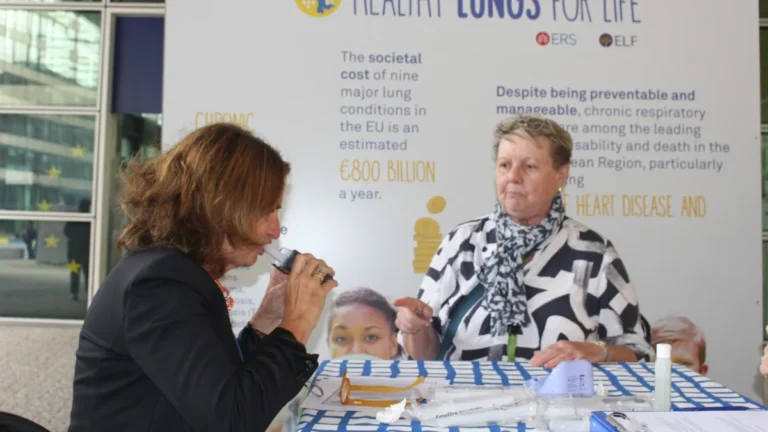
For millions of people living with chronic respiratory conditions, the simple act of climbing a flight of stairs or walking to the mailbox is often preceded by a heavy, invisible weight: the anticipation of breathlessness. This psychological hurdle, known as "anticipatory anxiety," frequently dictates the boundaries of a patient’s world. However, a groundbreaking new study suggests that for many, this apprehension is rooted in a significant miscalculation.
Research published recently indicates that patients frequently overestimate the severity of the breathlessness they will encounter during daily tasks. By confronting this "expectancy gap," clinicians and patients alike may unlock new pathways to improved mobility, physical conditioning, and long-term quality of life.
The Core Findings: A Mismatch Between Fear and Reality
At the heart of the research lies a simple, yet profound question: Does our fear of breathlessness accurately reflect the physiological burden of physical exertion?
The study recruited 83 adults suffering from long-term breathlessness, a condition often associated with chronic obstructive pulmonary disease (COPD), heart failure, or interstitial lung disease. Over the course of a week, participants utilized a smartphone-based monitoring system to log their experiences in real-time.
Before engaging in daily activities—ranging from household chores to moderate exercise—participants were asked to predict their level of breathlessness on a scale of 0 to 10. Immediately following the activity, they recorded their actual experienced level of breathlessness. The results were consistent and striking: on average, participants overestimated their breathlessness by approximately two full points on the 10-point scale.
This systematic overestimation was not an isolated incident; it remained a persistent pattern throughout the study, regardless of the time of day or the specific nature of the activity. While the participants were accurate in their ability to distinguish between "easy" and "difficult" tasks, they were consistently off-target regarding the absolute intensity of the discomfort they would face.
Chronology of the Research: How the Study Unfolded
The methodology behind the study was designed to minimize "recall bias"—the tendency of patients to misremember past events when speaking to a doctor in a clinical setting.
Phase 1: Recruitment and Baseline Assessment
Researchers first established a baseline for each participant. This involved gathering comprehensive data on the participants’ mental health status, including levels of depression and anxiety, as well as their overall self-efficacy—the degree of confidence they felt in their ability to manage their condition.
Phase 2: The Smartphone Intervention
Over seven days, the smartphone app served as the primary data collection tool. Participants were prompted several times throughout the day to record their "expected" breathlessness before an activity and their "actual" breathlessness afterward. This longitudinal approach allowed researchers to see how expectations shifted based on previous experiences.
Phase 3: Data Synthesis
Once the week concluded, the data was aggregated to compare the "Expected vs. Experienced" (EVE) delta. The researchers also cross-referenced this delta with the psychological baseline data collected in Phase 1 to see if factors like anxiety or depression acted as "filters" that skewed a patient’s perception of their own physiology.
Supporting Data: Dissecting the Influencers
One of the most intriguing aspects of the study was the attempt to identify what drives these inaccurate expectations. Conventional wisdom might suggest that those with higher anxiety or lower confidence would be the most prone to overestimating their symptoms. However, the data revealed a more nuanced reality.
The Role of Mood and Anxiety
The study found that while depressive symptoms did influence the strength of the link between expectation and experience, they did not necessarily dictate the accuracy of the prediction. This implies that the fear of breathlessness is not merely a symptom of clinical anxiety; it is a learned cognitive response to chronic illness.
The Power of Recency
The most significant driver of future expectations was found to be the immediate past. If a participant felt particularly breathless on Tuesday, they were significantly more likely to expect high levels of breathlessness on Wednesday, regardless of whether that activity was objectively more taxing. This creates a "vicious cycle" where a single bad day can disproportionately impact a patient’s willingness to remain active for days to come.
Implications: The High Cost of Avoidance
The implications of this study reach far beyond the data points on a screen. For clinicians, this research highlights a critical, modifiable barrier to patient health.
The Trap of Avoidance Behavior
When a patient anticipates that an activity will be more difficult than it truly is, the natural human response is avoidance. By choosing to stay seated or limiting outings, patients enter a state of "deconditioning." As muscles weaken and cardiovascular fitness declines, the body eventually becomes less efficient at handling oxygen, making the breathlessness they once feared a self-fulfilling prophecy.
Addressing Social Isolation
Physical activity is not just about lung health; it is the gateway to social interaction. When patients avoid grocery shopping, attending community events, or visiting friends because they fear a breathless episode, their world shrinks. This isolation often exacerbates the depressive symptoms that the study noted, creating a feedback loop that is difficult to break without clinical intervention.
Expert Perspectives and Future Applications
Healthcare professionals, including respiratory therapists and physiologists, have long known that "fear of movement" (kinesiophobia) is a major hurdle in pulmonary rehabilitation. However, having concrete data that quantifies this gap allows for a shift in how we treat patients.
Reframing Patient Education
Rather than simply telling patients to "keep moving," clinicians can now use these findings to help patients challenge their own predictions. By asking patients to log their expectations versus their reality, doctors can help patients gather evidence that their fears are often exaggerated. This cognitive-behavioral approach can empower patients to gradually expand their comfort zones.
The Digital Frontier
The study suggests that digital tools could be the missing link in patient care. Smartphone apps that provide real-time feedback can act as a "reality check" for patients. If a patient can see a graph showing that their average expectation is 7/10 but their average experience is 5/10, that objective data can be a powerful tool for building confidence.
Moving Forward: A Path to Better Quality of Life
The findings of this study offer a message of hope: the physical limitation experienced by those with long-term breathlessness may be less severe than the mind perceives.
By acknowledging that our brains often inflate the difficulty of physical tasks to "protect" us, we can begin to retrain our response to these symptoms. Healthcare providers should look to integrate these findings into their practice, encouraging patients to track their symptoms and recognize when their internal "alarm system" is being too sensitive.
For the patient, the goal is not to eliminate breathlessness entirely—which may not be possible with chronic lung conditions—but to eliminate the unnecessary fear of it. By closing the gap between expectation and experience, patients can reclaim their independence, maintain their physical fitness, and, most importantly, re-engage with the world around them.
How to Get Involved
Understanding and managing lung health is a journey that requires support, accurate information, and community. For those seeking to learn more about the latest research on breathlessness, lung disease management, and patient-centered strategies, there are numerous resources available.
- Stay Informed: Sign up for newsletters from leading lung health organizations to receive the latest updates on research, clinical trials, and advocacy efforts.
- Join the Conversation: Participate in patient support groups where shared experiences can help demystify the challenges of living with a lung condition.
- Consult Your Care Team: If you or a loved one are experiencing severe anxiety surrounding breathlessness, speak with your healthcare provider about pulmonary rehabilitation programs. These programs are specifically designed to build both physical stamina and the confidence needed to navigate daily life with a chronic condition.
By shifting our focus from what we fear will happen to what we know happens, we can change the narrative of chronic lung disease from one of limitation to one of active, managed living.