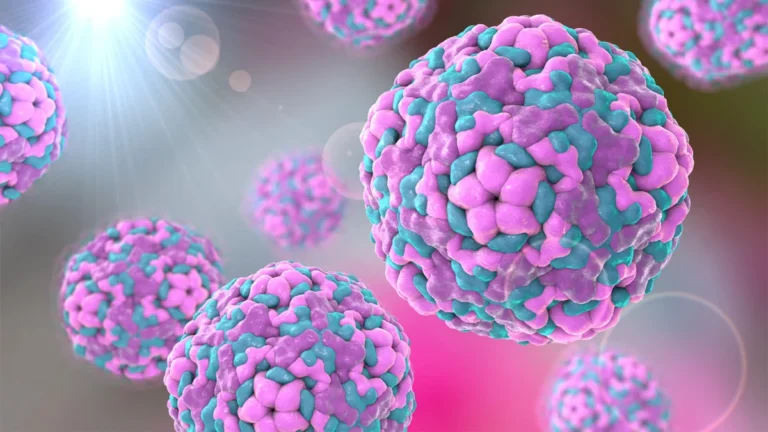











The battle against human papillomavirus (HPV)—a virus responsible for the vast majority of cervical cancers, as well as several other malignancies—is currently being fought on a fragmented front. Despite the existence of a safe, highly effective, and widely available vaccine, new data reveals that a child’s likelihood of being protected against HPV is heavily dependent on their zip code.
A recent study published in JAMA Pediatrics highlights a troubling reality: while the U.S. has made significant progress in adolescent immunization, vaccination rates are characterized by deep, persistent disparities that vary not only between major regions but between neighboring states. As public health officials strive to reach the federal goal of an 80% completion rate for the HPV vaccine series, this "geography of protection" suggests that a one-size-fits-all national strategy is no longer sufficient.
The State of Play: Key Findings and Disparities
The research, led by Dr. Chinenye Lynette Ejezie of Towson University, utilized data from the 2023 National Immunization Survey-Teen (NIS-Teen). By analyzing responses from over 16,000 adolescents aged 13–17, the team mapped a nation divided by access, policy, and public health infrastructure.
Using Alabama as a benchmark—a state where 21% of adolescents remain unvaccinated—the researchers identified clear "high-performing" and "under-performing" regions. The Northeast leads the country in protection: Rhode Island, Massachusetts, and New Hampshire all reported significantly higher vaccination rates than Alabama. Specifically, Rhode Island stands out with an adjusted odds ratio (aOR) of 3.05, indicating that adolescents in the state are substantially more likely to be vaccinated than their counterparts in the baseline group.
Conversely, the Southern United States remains a primary area of concern. States such as Mississippi, Georgia, Oklahoma, Kentucky, and West Virginia significantly lagged behind Alabama. In Mississippi, for instance, the rate of unvaccinated adolescents climbed as high as 39%, nearly double the rate of the benchmark state.
These findings underscore a critical insight: HPV vaccination is not merely a clinical issue; it is a structural one. The study concludes that by pinpointing specific states with persistently low uptake, policymakers can move away from broad, ineffective campaigns and toward precision-targeted interventions that address the unique barriers of each state.
A Chronology of the HPV Vaccination Effort
To understand the current impasse, one must look at the trajectory of the HPV vaccine since its introduction.
- 2006: The U.S. Food and Drug Administration (FDA) approved the first HPV vaccine, Gardasil, targeting the most common cancer-causing strains of the virus.
- 2007–2010: Initial uptake was slow, hampered by public skepticism, lack of physician advocacy, and confusion regarding the vaccine’s purpose. Many parents mistakenly viewed it as a vaccine for a sexually transmitted infection rather than a preventative measure against cancer.
- 2014: The Centers for Disease Control and Prevention (CDC) bolstered its messaging, emphasizing that the vaccine is a vital "anti-cancer" tool.
- 2016: The CDC updated its guidelines, recommending a two-dose series for children starting before their 15th birthday, significantly simplifying the vaccination process.
- 2020–2021: The COVID-19 pandemic caused a significant disruption in routine pediatric care, leading to a temporary decline in vaccination rates for all childhood immunizations, including HPV.
- 2023–2024: The latest NIS-Teen data reveals a complex recovery. While 78.2% of U.S. teens have received at least one dose, the critical 80% series-completion target remains elusive, with only 62.9% of teens fully protected.
Supporting Data: A State-by-State Breakdown
The variation in vaccination rates is not limited to the North-South divide; it exists within every region of the country, suggesting that localized state policy is a major driver of success.
The Regional Landscape of Risk
- The South: The range of vulnerability is immense. While Delaware and Virginia report relatively strong numbers (14% unvaccinated), Mississippi struggles with a 39% unvaccinated rate.
- The West: Geographic isolation appears to be a factor. While Hawaii and New Mexico maintain 14–15% unvaccinated rates, rural states like Alaska (29%) and Idaho (30%) show significantly higher gaps.
- The Northeast: This region is home to some of the highest protection levels in the nation, such as Rhode Island (8% unvaccinated), yet it also features outliers like New Jersey (34% unvaccinated), proving that regional proximity does not guarantee uniform public health outcomes.
- The Midwest: The divide here is often split by urban-rural lines. States like Iowa, Minnesota, and North Dakota have successfully kept unvaccinated rates between 15–16%, while Missouri (24%) and Kansas (25%) face greater challenges.
The data suggests that where states have implemented stricter school-attendance requirements or robust, well-funded public health outreach, the percentage of unvaccinated teens drops significantly.
Expert Perspectives: The Clinical Imperative
Dr. Janet Siddiqui, a pediatrician with Johns Hopkins Community Physicians, emphasizes that while policy is essential, the "last mile" of vaccination happens in the exam room. According to Dr. Siddiqui, the most powerful tool in the arsenal is the relationship between the physician and the family.
"Pediatricians and family physicians are the trusted sources," Dr. Siddiqui explains. "When a parent is hesitant, they are looking for reassurance from a provider they know. If that provider frames the vaccine as a routine, vital anti-cancer measure, uptake improves."
Dr. Siddiqui identifies several "leaks" in the current system:
- Access Challenges: In rural areas, the distance to a clinic can be a major barrier. Mobile clinics and school-based vaccination programs have been shown to bridge this gap effectively.
- The "Optional" Perception: One of the most significant hurdles is the way the vaccine is presented. "If a staff member tells a parent, ‘Oh, the HPV vaccine is optional,’ they have essentially given the parent permission to skip it," Dr. Siddiqui notes. "We need to shift the culture to present it as a standard, non-negotiable part of the adolescent health schedule, just like Tdap or Meningococcal vaccines."
- Funding Disparities: States with lower rates often lack the budget for comprehensive awareness campaigns or the administrative support required to manage immunization registries and follow-up outreach.
Implications for Public Health Policy
The JAMA Pediatrics study serves as a wake-up call for the Healthy People 2030 initiative. If the U.S. is to meet its 80% completion goal, federal and state agencies must pivot their strategies.
1. From National to Local
Federal mandates are helpful, but they cannot replace state-level action. States with low uptake need tailored strategies. For example, a state like Mississippi, with significant rural populations, may require a different investment strategy than a state like New Jersey, which may face barriers related to vaccine hesitancy or logistical gaps in suburban healthcare delivery.
2. Standardizing School Requirements
The data clearly shows that states with school-entry mandates for the HPV vaccine, such as Rhode Island, see significantly higher compliance. While there is often political resistance to adding new mandates, the public health evidence suggests that school requirements are the most effective lever for ensuring herd immunity and consistent protection.
3. Training and Advocacy
Clinicians need better support. Providing pediatric practices with the resources and training to hold effective, non-judgmental conversations with hesitant parents is essential. Furthermore, moving the "HPV conversation" to age 9—as recommended by the American Academy of Pediatrics—rather than waiting until 13, has been shown to reduce parent anxiety and increase completion rates.
4. Addressing Social Determinants
Vaccination is deeply tied to the broader social determinants of health. Healthcare systems must address the "non-medical" barriers to vaccination, including transportation, childcare for siblings during appointments, and the ability of working parents to take time off for clinical visits.
Conclusion
The findings from Dr. Ejezie and her colleagues provide a clear, data-driven map for the future of HPV prevention in the United States. We have the technology to virtually eliminate cervical and other HPV-related cancers, yet we are allowing geography and policy fragmentation to stand in our way.
The disparities observed across state lines are not merely statistics; they represent thousands of adolescents who remain vulnerable to preventable cancers. By shifting our focus from national averages to the specific needs of individual states—and by empowering clinicians to lead with clear, confident recommendations—the U.S. can bridge the gap in HPV protection. The goal of an 80% completion rate is not just a federal target; it is a fundamental health necessity for the next generation.