








By [Your Name/Journalistic Staff]
In the aisles of neighborhood gas stations, boutique vape shops, and trendy health food stores, a new, unregulated product has quietly claimed shelf space: kratom. Packaged in colorful pouches, capsules, and powders, this Southeast Asian botanical has surged from relative obscurity to a multi-million-dollar industry in the United States. While proponents herald it as a "miracle" plant capable of solving the opioid epidemic, medical professionals are sounding the alarm, warning that the unregulated nature of the substance is fueling a hidden cycle of dependency and health complications.
Understanding kratom requires peeling back layers of cultural history, modern clinical skepticism, and the legislative scramble to manage a substance that exists in a precarious legal gray area.
Main Facts: What Is Kratom?
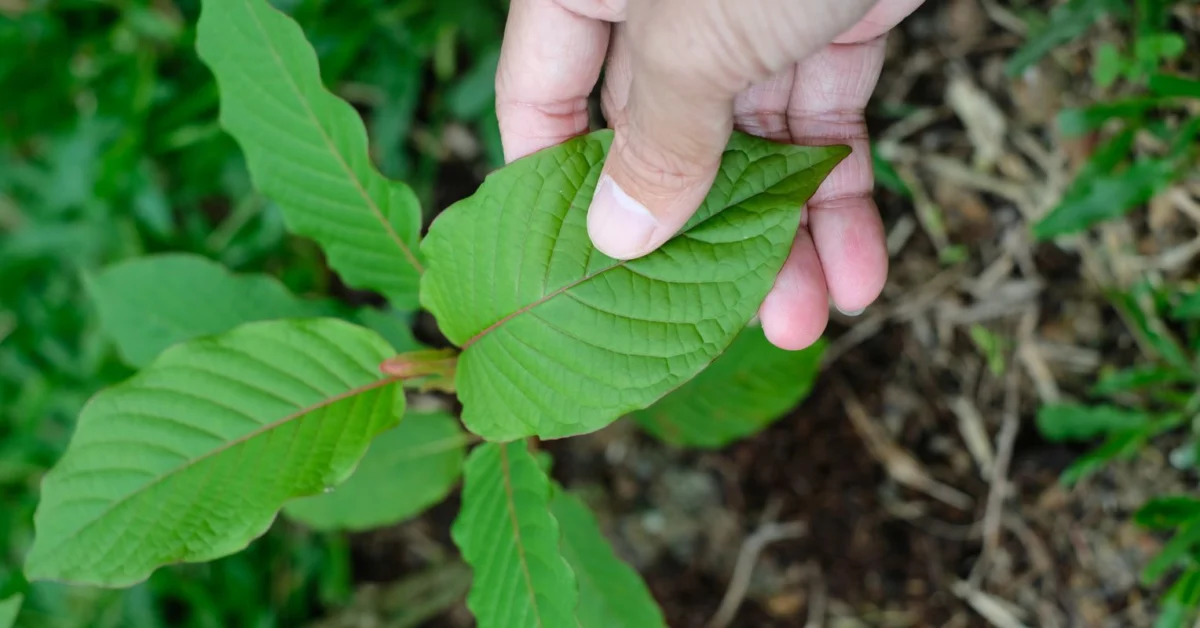
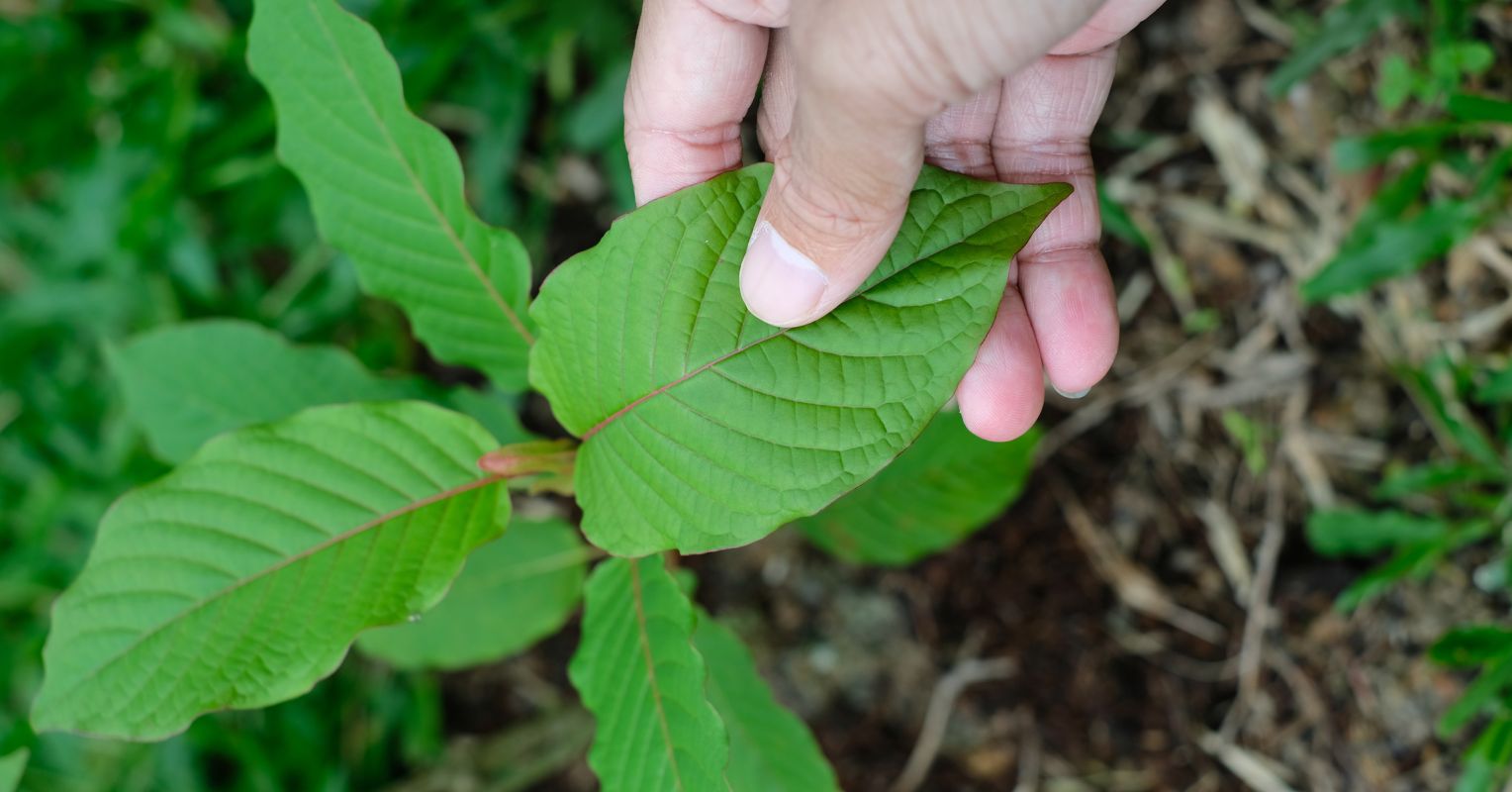
Kratom (Mitragyna speciosa) is a tropical evergreen tree native to Southeast Asia, particularly Thailand, Indonesia, and Malaysia. For centuries, laborers in these regions chewed the leaves to ward off fatigue, boost productivity, and manage minor physical aches associated with manual labor.
Biologically, kratom is complex. Its leaves contain psychoactive compounds—primarily mitragynine and 7-hydroxymitragynine—that interact with the brain’s opioid receptors. Because of this, the plant produces effects that are dose-dependent: in lower doses, it acts as a stimulant, increasing alertness and energy; in higher doses, it acts as a sedative, producing pain-relieving and potentially euphoric effects.
However, the "natural" label attached to kratom is often misleading. In the United States, the substance is not a standardized medication. It is an unregulated botanical, meaning there is no federal oversight regarding the concentration of active ingredients, the presence of contaminants like heavy metals or bacteria, or the consistency of the dosage in a single capsule.
A Chronology of the Kratom Surge
The rise of kratom in the West has been rapid and largely fueled by the digital age.
- Pre-2000s: Kratom remains a localized traditional remedy in Southeast Asia, largely unknown to the Western public.
- Early 2000s: As the internet begins to connect global markets, online forums begin discussing kratom’s potential for pain management and mood enhancement.
- 2010–2015: Kratom begins appearing in "head shops" and online marketplaces, marketed as a safe, herbal alternative to pharmaceuticals.
- August 2016: The U.S. Drug Enforcement Administration (DEA) announces plans to classify kratom as a Schedule I substance, citing an "imminent hazard to public safety."
- October 2016: Following an unprecedented public outcry and a formal petition from advocacy groups, the DEA withdraws its proposal to ban kratom, citing a need for more scientific research.
- April 2022: The FDA issues a stern consumer advisory, warning against the use of kratom and highlighting the lack of evidence for its safety and efficacy.
- June 2023: Florida signs the "Kratom Consumer Protection Act" into law, signaling a shift toward state-level regulation rather than federal prohibition. This law specifically restricts sales to individuals 21 and older, marking a legislative attempt to control access.
Supporting Data: The Dual Narrative
The debate surrounding kratom is defined by two wildly conflicting sets of data.
The Proponent’s Case
Advocacy groups often point to a 2022 study published in Frontiers in Pharmacology, where over 90 percent of respondents claimed kratom was "very effective" in treating chronic pain. For many, kratom serves as an off-ramp from the misery of opioid withdrawal. Users report that it fills the receptor "gap" left by quitting painkillers, allowing them to function at work and home without the crushing symptoms of traditional withdrawal.
The Medical Reality
Conversely, clinical evidence paints a more harrowing picture. According to the Mayo Clinic and various toxicological reports, kratom use is linked to:
- Cardiovascular issues: Elevated heart rate, hypertension, and palpitations.
- Gastrointestinal distress: Nausea, vomiting, and constipation.
- Neurological impacts: Tremors, seizures, and in extreme cases, psychosis.
In clinical practice, therapists like Jana Wu, LCSW, LADC, have observed that the "relief" provided by kratom is often the gateway to a new, secondary addiction. Patients who start using kratom to manage opioid cravings frequently report that they simply traded one dependency for another.
Official Responses and Regulatory Challenges
The regulatory landscape for kratom is currently a patchwork quilt. The FDA has maintained a firm stance: kratom is not approved for any medical use. The agency notes that because the substance is sold as a dietary supplement, it bypasses the rigorous safety and efficacy testing required for pharmaceutical drugs.
This has left a vacuum that states are attempting to fill. Laws like the Florida Kratom Consumer Protection Act are becoming the template for other states. These laws typically focus on:
- Age restrictions: Preventing access to minors.
- Labeling requirements: Ensuring products are not adulterated with synthetic opioids or dangerous chemicals.
- Standardization: Attempting to define what constitutes a "kratom product" under the law.
However, critics argue that these state laws are insufficient. Without federal oversight, a product purchased in one state may be chemically identical to a product in another, yet vary wildly in potency, leading to accidental overdoses or unpredictable side effects.
Implications for Public Health and Recovery
The most concerning aspect of the current kratom trend is the potential for long-term behavioral and psychological harm.
The Trap of Self-Medication
When individuals attempt to manage complex conditions like PTSD, depression, or anxiety with unregulated substances, they often lack the support structure of professional therapy. For those using kratom to mitigate the symptoms of opioid use disorder, the risk of relapse is high if the kratom itself becomes a point of obsession.
Clinical experience shows that kratom users often develop a tolerance. As the body adjusts to the substance, users require higher doses to achieve the same effect. This leads to the "problematic level" of use—where the substance begins to impact finances, family relationships, and employment. In some documented cases, the compulsion to maintain a supply of kratom has driven individuals toward financial ruin or even criminal activity to sustain their habit.
The Withdrawal Syndrome
The narrative that kratom is "just a plant" collapses when one attempts to stop using it. Abrupt cessation after long-term use triggers a withdrawal syndrome that mirrors opioid withdrawal: intense anxiety, muscle aches, insomnia, and severe depression.
A Path Forward: Holistic Recovery
For those struggling with kratom misuse, the path to recovery involves several tiers of intervention:
- Medical Detox: Because the withdrawal symptoms can be physiologically and psychologically taxing, medical supervision is highly recommended to manage acute symptoms safely.
- Medication-Assisted Treatment (MAT): For those attempting to transition away from both opioids and kratom, FDA-approved medications like buprenorphine offer a scientifically validated, monitored path to stabilization.
- Psychotherapeutic Support: Treating the "root cause" is essential. Individual and group therapy sessions allow patients to explore why they felt the need to self-medicate, providing them with the emotional tools—such as mindfulness and cognitive-behavioral strategies—to handle stress without resorting to external substances.
Conclusion: A Call for Caution
The story of kratom is a cautionary tale about the intersection of wellness culture and lack of regulation. While the prospect of a natural, effective treatment for pain is enticing, the current reality of the kratom market is fraught with danger.
Until there is rigorous, large-scale clinical research that establishes safe dosages, identifies drug interactions, and quantifies long-term side effects, the use of kratom remains a high-stakes gamble with one’s health. For those currently using kratom, or considering it as a therapeutic tool, the most prudent course of action is to consult with a licensed healthcare professional. Relying on anecdotal evidence found on the internet is no substitute for the informed, evidence-based guidance that can save lives and restore long-term well-being.
As we move forward, society must advocate for better education and clearer regulation. Until then, we must view the "kratom miracle" with the healthy skepticism that characterizes responsible medical practice.
If you or someone you know is struggling with substance misuse, reach out to a licensed counselor or contact local addiction treatment services. You do not have to navigate the path to recovery alone.