









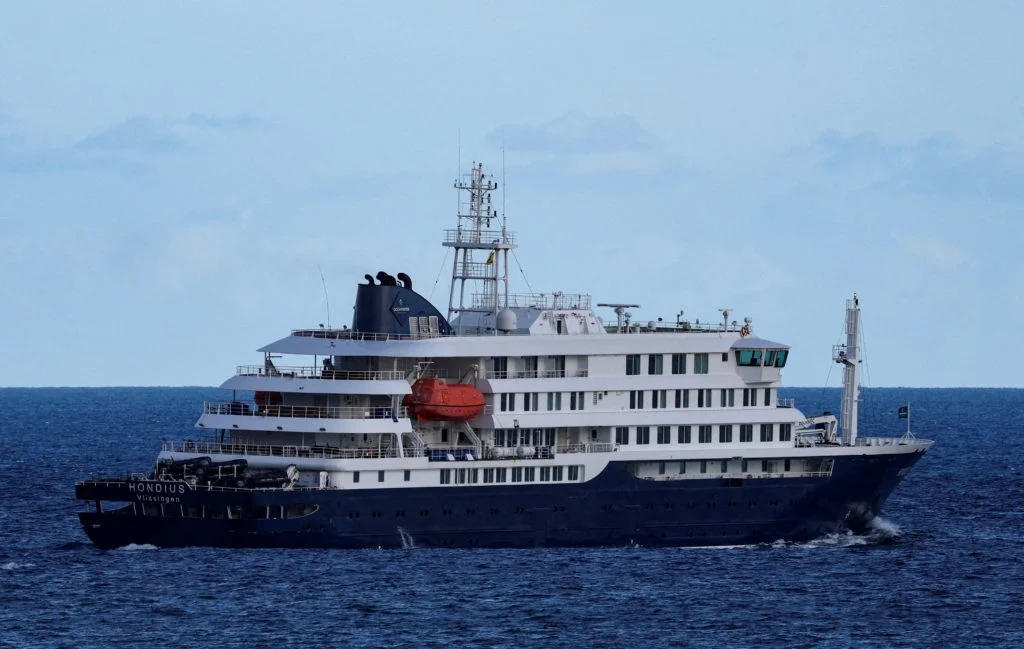
The maritime tourism industry is currently grappling with a public health anomaly that has sent shockwaves through the expedition cruise sector. The MV Hondius, a vessel operated by Oceanwide Expeditions, is at the center of an unprecedented hantavirus outbreak—the first of its kind to be recorded on a cruise ship. With three confirmed fatalities and a dozen cases of infection, the company is now facing intense scrutiny as it scrambles to determine whether its upcoming Arctic season will proceed as planned or fall victim to a mandatory, indefinite suspension of operations.
As of Wednesday, the vessel is en route to the Dutch port of Rotterdam, where it will undergo a rigorous, government-mandated decontamination process. The uncertainty surrounding the ship’s future operations reflects a broader anxiety regarding the safety of cruise travel in the wake of such a rare and lethal contagion.
The Core Facts: A Deadly Encounter at Sea
The outbreak, which emerged earlier this month while the Hondius was traversing the Atlantic, has resulted in nine confirmed cases of hantavirus and two additional suspected infections. The virus, typically associated with rodent-borne transmission in terrestrial settings, has proven lethal for three passengers, casting a dark cloud over what was intended to be a routine expedition.
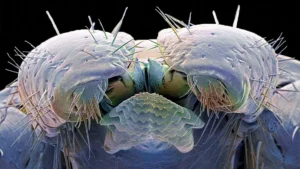
Hantavirus is notorious for its severity; the specific strain detected on the Hondius, known as the Andes virus, carries a mortality rate that can reach as high as 50 percent, according to World Health Organization (WHO) data. While the virus is primarily transmitted through contact with rodent excreta, the Andes strain is one of the few variants capable of human-to-human transmission, a factor that likely accelerated the spread within the enclosed environment of the cruise ship.
Currently, more than 120 passengers and crew members remain in state-mandated isolation across several countries following their emergency disembarkation in Spain’s Canary Islands earlier this week. The remaining 25 crew members and two medical personnel aboard the Hondius—along with the remains of one of the deceased—are expected to reach Rotterdam between May 17 and 18.
A Chronological Breakdown of the Crisis
The unfolding of the Hondius tragedy has been rapid, challenging the logistical capabilities of both the cruise operator and international health authorities.
- Early May: The initial cluster of illnesses was identified while the ship was in the Atlantic Ocean. Medical staff aboard the vessel identified symptoms consistent with hantavirus, prompting immediate notification of maritime and health authorities.
- Sunday and Monday: In a massive logistical undertaking, over 120 passengers and staff were evacuated from the vessel in the Canary Islands. The individuals were subsequently transferred to various jurisdictions for strict quarantine and medical observation.
- Early Week: Initially, Oceanwide Expeditions issued a statement suggesting that the outbreak would not affect its long-term operational schedule, including a voyage slated to depart on May 29.
- Wednesday: Under pressure from health officials and shifting public sentiment, the company walked back its initial confidence. A spokesperson told the Associated Press that they now anticipate "clarity on whether the vessel will sail and the sailing schedule by the end of this week," acknowledging that they require official authorization before moving forward.
Scientific Perspectives: Why Hantavirus on a Ship is an Anomaly
The scientific community has expressed cautious optimism regarding the future of the Hondius, noting that the environmental conditions of a cruise ship are generally hostile to the persistence of hantavirus.
"Hantavirus is not the typical concern on cruise ships," explained Erik Hill, a virologist at Seton Hall University. "We are far more accustomed to dealing with norovirus or measles, which are significantly more contagious in high-density, confined environments."
Hill and other experts suggest that the virus’s lifespan outside of a host is limited, depending heavily on temperature and ultraviolet light exposure. "Normal disinfectants and standard UV sterilization protocols are more than sufficient to eradicate the virus," Hill noted. "The risk to future passengers, once the vessel has been properly sanitized, is statistically very low."
Dr. Max Brito, vice president of the Infectious Diseases Society of America, echoed these sentiments. "With proper disinfection and sterilization practices, I think it should be okay to return to operations within a reasonable time," he stated. Dr. Brito emphasized that because the primary hypothesis remains that the initial patients were exposed to the virus while on land—and because ship officials reported no evidence of a rodent infestation on board—this event is likely a highly isolated, "one-off" incident.
Official Responses and the Decontamination Protocol
The Dutch National Institute for Public Health and the Environment (RIVM) has taken charge of the disinfection protocol. While the institute has declined to share specific technical details of the cleaning process, they have confirmed that they are working closely with Oceanwide Expeditions to establish a fail-safe standard.
For its part, Oceanwide Expeditions remains in a state of operational limbo. The company has maintained a policy of silence regarding commercial inquiries, such as cancellations or rebooking requests, choosing instead to emphasize their focus on passenger safety and coordination with international health bodies.
"A ship cannot sail without official authorization," the company noted in a press release. This admission underscores the gravity of the situation; the Hondius is a vessel that relies on stringent safety reputations to command high ticket prices for Arctic expeditions. If the disinfection process fails to provide absolute certainty to health authorities, or if the public’s perception of the ship’s safety remains tarnished, the company could face significant financial headwinds.
The Broader Implications for the Cruise Industry
The Hondius case serves as a stark reminder of the complexities inherent in modern global travel. Despite years of research into hantaviruses, significant gaps in knowledge remain. Scientists still struggle to understand why the virus manifests as a mild respiratory ailment in some and a fatal condition in others, or exactly how long it can persist on various surfaces in a maritime climate.
For the cruise industry, the implications are twofold. First, the event highlights the necessity for advanced onboard medical preparedness. While cruise ships are equipped to handle common outbreaks like norovirus, the arrival of a rare, high-mortality pathogen like the Andes hantavirus presents a unique challenge that few ships are equipped to manage in isolation.
Second, the incident tests the resilience of expedition-style tourism. These cruises often travel to remote, fragile ecosystems where medical facilities are non-existent. When a health crisis occurs, the burden of containment falls entirely on the ship’s captain and medical officer, as seen in the Hondius case.
As the vessel nears Rotterdam, the world is watching. The disinfection of the Hondius is not merely a janitorial task; it is a prerequisite for the company to regain the trust of the scientific community and its future guests. Whether the Hondius returns to the pristine waters of the Arctic on May 29, or remains docked in the Netherlands for further inspection, will depend entirely on whether the decontamination protocols can prove that the vessel is once again a safe environment for transit.
For now, the passengers and crew remain in limbo, and the industry is left to reflect on an unprecedented event that has challenged the fundamental assumptions of cruise ship health and safety. The outcome of this week’s evaluation will likely set a new benchmark for how the cruise industry prepares for and responds to rare infectious disease outbreaks in the future.