NEW YORK — For the first time in decades, the United States is witnessing a sustained decline in drug-related fatalities, a shift that public health officials are calling a significant, albeit fragile, inflection point in the nation’s deadliest public health crisis.
Preliminary data released Wednesday by the Centers for Disease Control and Prevention (CDC) indicates that approximately 70,000 Americans died from drug overdoses last year—a 14% reduction from the previous year. This marks the third consecutive annual decline, effectively resetting the national death toll to levels last seen in 2019, before the onset of the COVID-19 pandemic. While the numbers suggest that the trajectory of the opioid epidemic is finally bending, experts warn that the progress is tenuous, threatened by a rapidly evolving illicit drug supply and shifting federal policy priorities.
The Chronology of a Crisis: From Peak to Pivot
To understand the current decline, one must look at the unprecedented surge that preceded it. For decades, the U.S. overdose epidemic grew steadily, fueled initially by prescription painkillers and later by the infiltration of illicitly manufactured fentanyl.
The Pandemic Spike
The crisis reached a harrowing apex during the COVID-19 pandemic. Between 2020 and 2022, social isolation, economic instability, and fractured access to essential addiction treatment services caused overdose deaths to skyrocket. At the height of the crisis in 2022, the nation recorded nearly 110,000 deaths in a single year—a staggering statistic that underscored the lethality of a drug supply increasingly tainted with synthetic opioids.
The Turning Tide
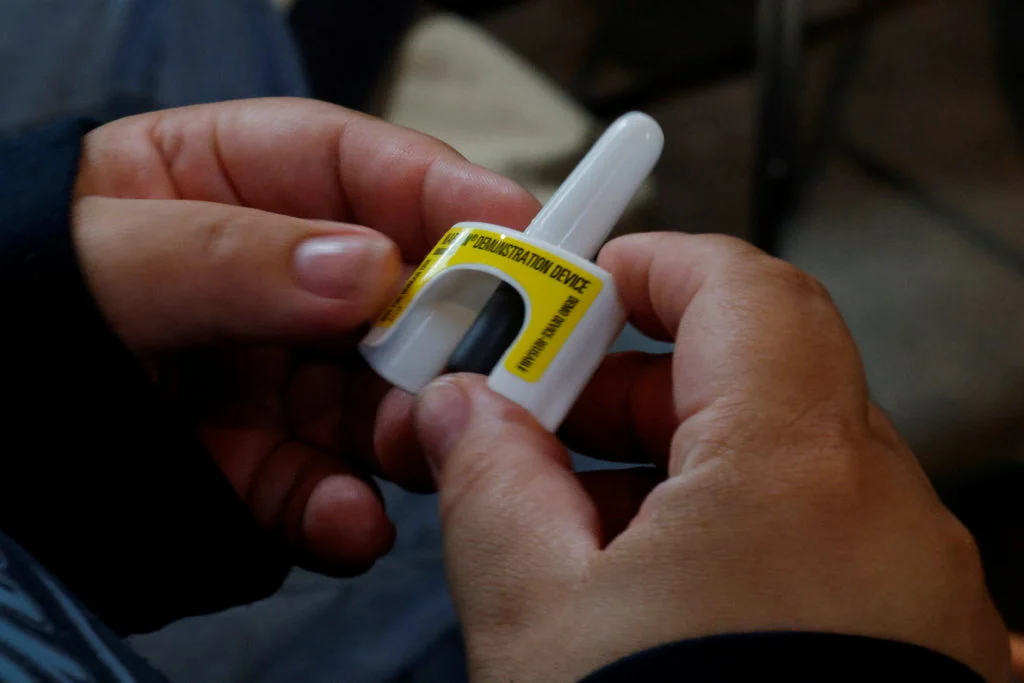
As the pandemic waned, a combination of public health interventions began to take root. The widespread distribution of naloxone—a life-saving opioid antagonist—became a cornerstone of the national response. Simultaneously, billions of dollars in opioid lawsuit settlement funds began flowing into local communities, bolstering treatment capacity and recovery support services. Researchers also note that changes in global supply chains, including regulatory actions in China that restricted the flow of precursor chemicals used to synthesize fentanyl, may have contributed to a shift in the availability of illicit substances.
Supporting Data: A Mosaic of Progress and Peril
The 14% decline in overdose deaths is reflected across several drug categories, including fentanyl, cocaine, and methamphetamine. This broad-based improvement suggests that the interventions—ranging from increased access to medication-assisted treatment (MAT) to community-based harm reduction—are having a tangible impact.
Geographic Disparities
Despite the national downward trend, the crisis remains deeply uneven. While the vast majority of states reported a decrease in fatalities, seven states bucked the trend. Arizona, Colorado, and New Mexico saw death tolls climb by 10% or more.
Brandon Marshall, a Brown University researcher specializing in overdose trends, suggests that these regional spikes may be linked to the "polysubstance" environment. In the American Southwest, there is evidence of an increase in the combined use of fentanyl and methamphetamine. "If deaths are going down rapidly, that means they can increase just as rapidly if we take our foot off the gas," Marshall cautioned. "I’m cautiously optimistic that this represents a fundamental change in the arc of the overdose crisis, but we are nowhere near the finish line."
The Evolving Threat: A New Wave of Synthetic Drugs
Even as traditional opioid deaths begin to plateau, the landscape of illicit drug manufacturing is shifting beneath the feet of law enforcement and public health officials. Toxicology reports from 2025 and early 2026 paint a concerning picture of an "arms race" in the illicit drug market.
The Acceleration of New Compounds
Alex Krotulski, director of the Center for Forensic Science Research and Education, serves as a lead watchdog for the national illicit drug early warning system. His lab in Horsham, Pennsylvania, has detected a alarming uptick in the arrival of new synthetic substances.
In the entirety of 2025, the lab identified 27 new drug compounds. In the first five months of 2026 alone, they have already flagged 23. Among the most concerning is cyclorphine, a synthetic opioid that laboratory testing suggests is up to 10 times more potent than fentanyl. According to Krotulski, these chemicals are frequently used as "cutting agents," added to other drugs to increase potency or volume without the user’s knowledge, creating an unpredictable and lethal risk profile for consumers.
"The drug supply continues to change and evolve," Krotulski said. "Every time we get a handle on one substance, the illicit market pivots to something else that is harder to detect and potentially more dangerous."
Official Responses and Policy Shifts
The federal response to the overdose crisis is currently undergoing a significant philosophical pivot under the Trump administration, moving away from harm reduction strategies toward a more traditional approach centered on law enforcement and supply-side restrictions.
Withdrawal of Federal Support
Last month, the Substance Abuse and Mental Health Services Administration (SAMHSA) issued a directive to federal grant recipients, signaling an end to funding for several harm reduction initiatives. Specifically, the government will no longer pay for:
- Fentanyl test strips: Tools that allow users to detect the presence of lethal additives in their supply.
- Syringe service programs: Efforts aimed at preventing the transmission of infectious diseases like HIV and Hepatitis C.
- Support hotlines: Remote services that provide real-time guidance to individuals while they are actively using substances.
Administration officials argue that these programs inadvertently facilitate illicit drug use. However, the policy change has sparked immediate backlash from public health advocates and families who have lost loved ones to the crisis.
The Activist Perspective
The shift in policy has galvanized a growing movement of advocates, including groups like Black Moms Against Overdose. Kimberly Douglas, the founder of the organization, lost her 17-year-old son to the crisis. At a recent press conference, she and other grieving parents expressed deep concern over the move toward punitive measures.
"We are starting to see overdoses go down in some places, and that’s because of harm reduction services," Douglas stated. "To take away these tools now, when we finally have a bit of momentum, is to gamble with the lives of our children."
Implications: A Future at a Crossroads
As the United States enters the second half of 2026, the data provides a clear warning: the decline in overdose deaths is not a guarantee of future stability. The crisis is multifaceted, requiring a delicate balance between law enforcement, medical treatment, and community support.
The Challenge of Sustainability
Experts agree that several factors could trigger a reversal of the current progress:
- Policy Instability: The removal of harm reduction funding may lead to a resurgence in deaths among vulnerable populations who rely on these services for survival.
- Market Volatility: The rapid emergence of ultra-potent synthetic compounds like cyclorphine suggests that the illicit market is highly resilient and capable of bypassing traditional detection methods.
- Treatment Access: While settlement funds have increased, there remains a massive gap between the number of individuals requiring addiction treatment and the number who actually receive it.
The Path Forward
The path forward remains contentious. Proponents of the current administration’s policy change argue that a "tough on drugs" approach is necessary to deter use and break the power of cartels. Conversely, public health experts argue that the success of the last three years—which saw a 14% decline in fatalities—proves that a strategy rooted in science, access to treatment, and harm reduction is the most effective way to save lives.
For now, the nation remains in a state of watchful waiting. The 70,000 lives lost last year are a stark reminder of the tragedy that has defined the last decade, but the downward trend offers a glimmer of hope that the tide can be turned. Whether that progress continues or reverses will depend on how the nation navigates the intersection of changing drug chemistry and shifting political ideologies. As Marshall aptly noted, the crisis is "a fundamental change in the arc," but it remains a trajectory that requires constant, vigilant attention.